Where to Find Realistic Video Game Stock Photos
Finding authentic video game stock photos used to be an exercise in frustration. For years, stock libraries were dominated by actors wearing boxing gloves while holding disconnected controllers, or people screaming maniacally at turned-off television screens. Gamers immediately spot these fabricated scenes, and using them can instantly erode your brand’s credibility with an audience known for its sharp attention to detail.

As gaming has matured into a mainstream, multi-billion-dollar industry, visual standards have evolved. Whether you are running a gaming blog, launching an esports campaign, or designing marketing collateral for an indie studio, you need imagery that reflects the modern gaming ecosystem. This guide covers where to source quality visuals, how to avoid serious legal pitfalls, and how to spot imagery that genuinely resonates with players.
The Problem with Traditional Gaming Stock Imagery
Gaming culture is deeply visual and community-driven. When you use outdated or inaccurate imagery, your audience notices within seconds. The most common mistakes include:
- Ergonomic absurdity: Models holding controllers upside down, resting their fingers on the wrong buttons, or using legacy peripherals for modern PC setups.
- Unrealistic environments: Harsh, fluorescent basement lighting instead of the warm accents, dynamic ambient setups, and custom RGB lighting common in modern battlestations.
- Stereotypical demographics: Limiting representations to isolated teenage boys, ignoring that over 45% of gamers are female and that the average gamer is in their early thirties.
Modern gaming is diverse, social, and visually polished. Your visual assets should mirror that reality.
Where to Source Quality Video Game Stock Photos
Depending on your budget and licensing requirements, different platforms excel at different types of gaming content.
1. Curated Free Libraries (Unsplash, Pexels, Pixabay)
Free platforms have improved significantly over the past five years. They are ideal for editorial blogs, social media posts, and pitch decks where you need clean, atmospheric shots without upfront licensing costs.
- Best for: Atmospheric battlestation photos, keyboard close-ups, overhead desk setups, and neon-lit mood photography.
- Limitations: Limited variety of specific in-game actions or professional esports tournament coverage. You must also exercise caution regarding model and property releases.
2. Premium Commercial Libraries (Shutterstock, Getty Images, Adobe Stock)
If you require guaranteed model releases and commercial indemnification for paid ad campaigns or global marketing, paid stock agencies remain the industry standard.
- Best for: Professional esports tournament crowds, diverse gaming groups, mobile gaming in everyday life, and VR lifestyle photography.
- Advantage: Precise search filters by angle, composition, ethnicity, and license type.
3. Creator-First and Specialist Marketplaces (Envato Elements, Freepik)
Platforms offering subscription-based asset downloads are useful for creators who need an ongoing pipeline of visuals, including 3D renders, UI mockups, and video game stock photos.
- Best for: Abstract 3D gaming controllers, futuristic backgrounds, esports team concept imagery, and clean graphic design assets.
Navigating the Legal Minefield: Copyright and Trademarks
Gaming photography carries unique intellectual property (IP) risks compared to standard business or nature photography. Failing to recognize the boundary between hardware, software, and brand marks can expose your business to legal disputes.
Hardware Trademarks and Logos
Major console manufacturers—including Sony, Microsoft, and Nintendo—rigorously protect their hardware designs and registered logos. A commercial stock photo showing an unedited PlayStation or Xbox logo on a controller cannot legally be used to promote an unrelated third-party product without an editorial license.
For commercial campaigns, seek out "unbranded" or "sanitized" imagery. Professional stock photographers often digitally remove logos, replace signature button symbols (such as PlayStation's cross, circle, triangle, and square) with generic shapes, or obscure branding with strategic lighting.
In-Game Footage and Screen Content
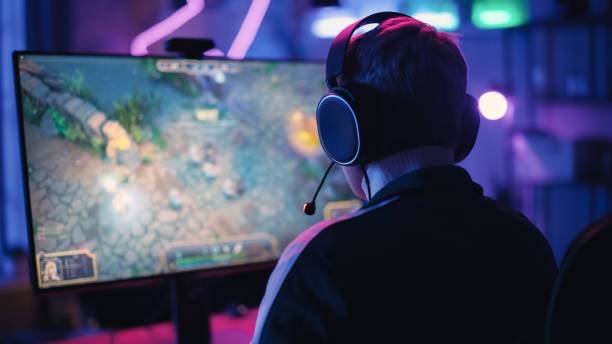
Photographs showing identifiable video game screens (such as a recognizable scene from Fortnite, Call of Duty, or The Legend of Zelda) feature copyrighted software. While you can often use these under editorial fair use for reviews or journalistic reporting, you cannot use them to sell consumer goods, run paid advertisements, or promote non-affiliated software.
Commercial vs. Editorial Licenses
Before purchasing or downloading an image, verify the license tier:
- Commercial License: The image includes signed model and property releases. Logos are either removed or generic. Safe for ads, landing pages, and commercial branding.
- Editorial Use Only: The photo captures real-world events (like an esports arena) or recognizable IP. It is only permitted for news, educational materials, and non-monetized commentary.
Visual Themes That Actually Resonate with Modern Gamers
To ensure your imagery connects with your audience, look for themes that reflect how gaming exists today:
1. The Modern Battlestation
Modern gaming setups are lifestyle centerpieces. Look for images featuring dual-monitor arms, mechanical keyboards with custom keycaps, clean cable management, studio microphones, and subtle RGB or acoustic paneling. These elements signal authenticity to PC gamers.
2. Mobile and Cloud Gaming
More than half of global gaming revenue comes from mobile platforms. High-quality photos showing players using clip-on mobile controllers, tablets, or gaming on public transit reflect the actual habits of millions of players worldwide.
3. Cooperative and Social Play
Gaming is no longer viewed as an isolating hobby. Photos depicting friends playing couch co-op games together, couples playing on handheld consoles, or streamers interacting with digital communities convey the social warmth of modern play.
4. Accessibility in Gaming
Adaptive controllers and inclusive setups represent an important and growing segment of the gaming community. Sourcing imagery that features players with disabilities using adaptive hardware demonstrates genuine awareness and inclusivity.
Alternatives to Traditional Stock Photos
If commercial libraries do not provide the exact visual you need, consider these alternative approaches:
- Photo Modes: Many modern AAA games include high-resolution virtual photography tools with free-camera control, depth of field adjustments, and lighting filters. While subject to publisher terms of service, they are an excellent source for editorial illustrations.
- In-House Custom Shoots: If you are launching a product, investing in a half-day shoot with an actual gamer, their setup, and your specific merchandise will almost always yield a better ROI than relying on generic stock catalogs.
- Custom 3D Renders: For abstract, futuristic, or hyper-clean visuals, 3D artists can generate custom controller models, abstract environments, and device mockups that carry zero trademark conflicts.
Final Checklist Before You Publish
Before deploying any gaming image in your next campaign, run it through this quick checklist:
- Is the hardware being held and operated naturally?
- Are there visible, protected trademarks that conflict with your intended commercial use?
- Does the demographic representation match your specific target audience?
- Does the lighting and environment look contemporary rather than like a 1990s stereotype?
- Do you have the appropriate license documentation (editorial vs. commercial) saved in your project records?
By treating gaming imagery with the same nuance and professional rigor as any other specialized industry, your visuals will build trust, enhance your message, and connect authentically with players.


