Which Lovevery Boxes Are Worth It? (Honest Review)
Lovevery Play Kits have taken the parenting world by storm. With their minimalist aesthetic, Montessori-inspired design, and sustainably sourced materials, these subscription boxes promise developmentally appropriate play for every stage of early childhood. However, at $80 to $120 per box, they are a significant financial commitment. If you are wondering which Lovevery boxes are worth it, you aren't alone. Balancing the high price tag against real-world play value requires looking closely at what each stage actually delivers.
How Lovevery Play Kits Work
Lovevery delivers curated boxes of toys directly to your doorstep every two to three months, depending on your child's age. The toys are designed by child development experts, occupational therapists, and academics to target specific cognitive, motor, and social-emotional milestones. Babies receive boxes every two months, while toddlers shift to a quarterly (every three months) schedule.
While the quality is consistently high, not every box hits the mark. Some stages feature items your child will play with for years, while others contain niche items that might only hold their attention for a few weeks.
Infant Boxes: 0 to 12 Months
The first year of life brings rapid developmental changes. Here is a breakdown of the infant Play Kits and whether they justify the cost.
The Looker (Weeks 0-12): Skip Unless Gifted
The Looker kit focuses heavily on high-contrast cards, a mobile, and a soft book. While the quality is lovely, much of this kit can be easily replicated at home with black-and-white flashcards or household items. If you already have a play gym, you can safely skip this box.
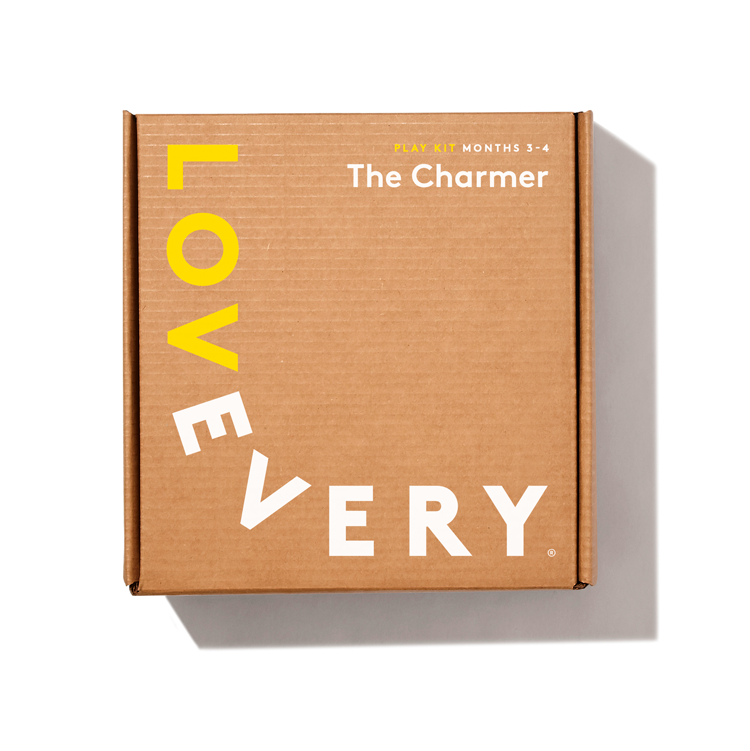
The Charmer (Months 3-4): Worth It for the Magic Tissue Box
The Charmer introduces early grasping skills, tracking, and tummy time motivation. The absolute standout here is the Magic Tissue Box, which babies obsess over for months. The rattle-socks and hand-to-hand transfer toys also see heavy use during this fussy, exploratory stage.
The Senser (Months 5-6): Highly Worth It
As your baby starts sitting up and exploring textures, The Senser delivers incredible value. The spinning rainbow, glowing-pegs container, and teething toys are remarkably durable and engaging. This kit bridges the gap between passive observation and active manipulation.
The Inspector (Months 7-8) & The Explorer (Months 9-10): Object Permanence Kings
These two kits focus heavily on cause-and-effect, object permanence, and fine motor skills. The wooden coin drops, ball drops, and object permanence boxes are toddler staples. If you have to choose just one, **The Explorer** is slightly better due to the introduction of early problem-solving puzzles.
The Thinker (Months 11-12): The Transition Stage
The Thinker prepares your baby for toddlerhood with first walking aids, nesting objects, and early stacking toys. It is a solid kit, but if you are on a tight budget, you can easily transition from the 9-10 month kit straight into toddler toys.

Toddler Boxes: 13 to 48 Months
Toddler play requires durability and open-ended design. This is where Lovevery truly shines, as generic plastic toys often break or lose appeal quickly.
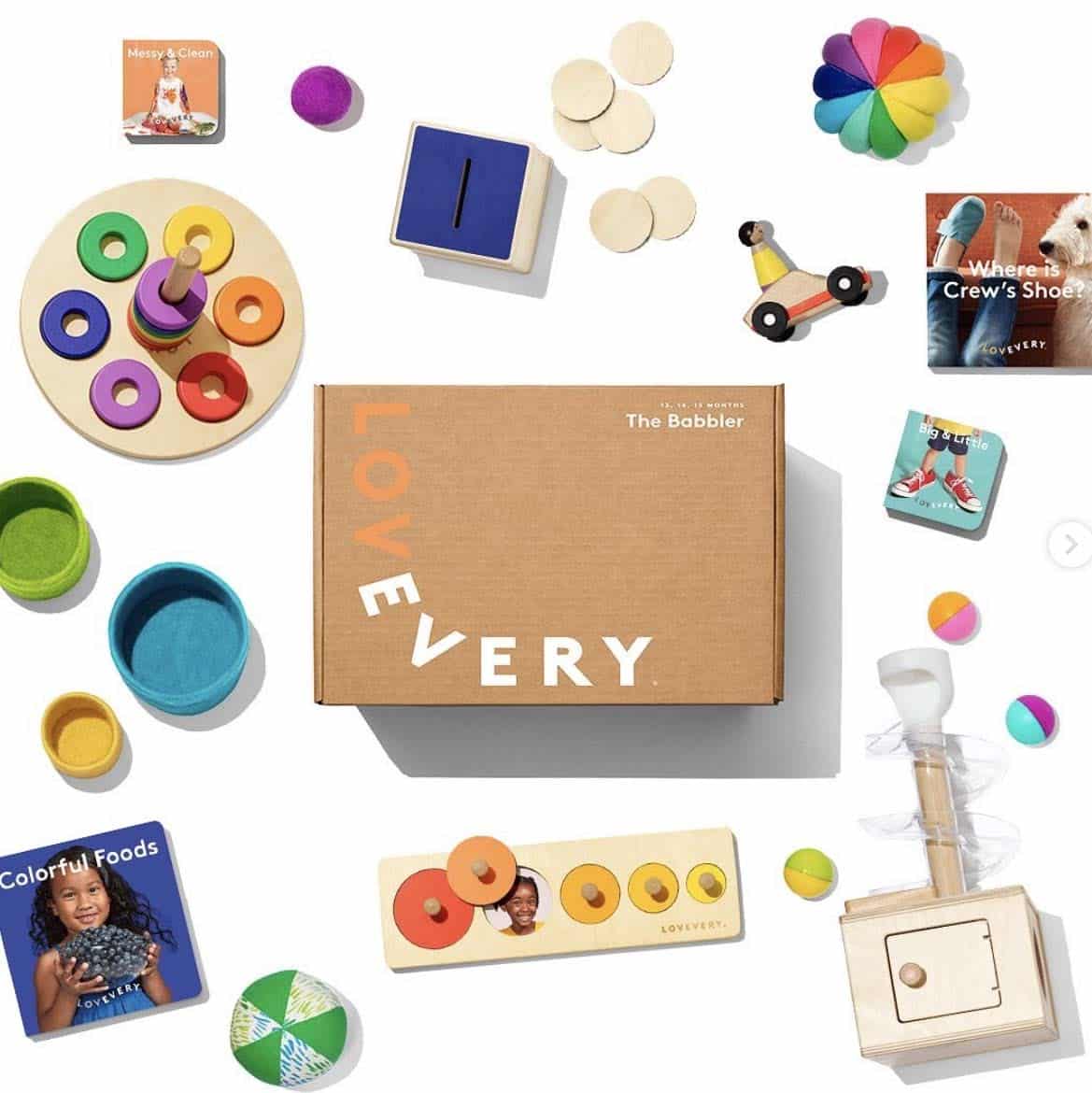
The Babbler (Months 13-15): A Total Must-Have
The Babbler is widely considered one of the absolute best boxes Lovevery offers. It includes the Pincer Puzzle, posting boxes, and a chunky wooden car. Toddlers in this age bracket return to these toys repeatedly to master fine motor control and spatial awareness.
The Realist (Months 19-21): The Water Play Winner
While the toddler kits generally maintain high quality, **The Realist** stands out because of its focus on practical life skills. The matching tool set, threading toys, and particularly the complicated locking box keep toddlers engaged for long stretches of independent play.
The Companion (Years 3-4): Best for Social-Emotional Growth
By age three, children are developing complex imaginations and social skills. The Companion kit includes board games tailored for preschoolers, emotion-recognition books, and cooperative play tools. These items grow with the child, making them worth the investment as kids learn to take turns and manage big feelings.
Which Lovevery Boxes Are Worth It? (Summary)
To summarize, the boxes that offer the highest return on investment are those featuring open-ended items that bridge multiple developmental stages. You get the most value from:
- The Senser (Months 5-6): Great for sensory development and early motor skills.
- The Babbler (Months 13-15): Essential fine motor mastery tools for early walkers.
- The Realist (Months 19-21): Complex puzzles and practical life tools that last.
- The Companion (Years 3-4): Early board games and emotional regulation tools for preschoolers.
Conversely, you can save money on the earliest newborn boxes (0-3 months) or individual kits where your child already has substitute toys from other brands.
Alternatives and Final Verdict
If the subscription price feels steep, look for Lovevery kits second-hand on Facebook Marketplace or local parent groups. Because the wooden toys are exceptionally durable, they hold up wonderfully through multiple children. Alternatively, look for individual Montessori toys from reputable brands like PlanToys or Hape.
Ultimately, Lovevery boxes are worth it if you value curated, clutter-free, screen-free toys that align with Montessori principles without requiring hours of parental research. Pick and choose the stages that target your child's upcoming developmental leaps for the best experience.