Which One of the Following Contaminants Is a Physical Contaminant?
Understanding Food Safety Hazards

Food safety is a critical priority in both commercial kitchens and home cooking. To prevent foodborne illness and injury, food handlers must understand the different types of hazards that can compromise a dish. Contaminants generally fall into three main categories: biological, chemical, and physical. When studying for food handler certifications or managing a commercial kitchen, you will often encounter test questions asking, "which one of the following contaminants is a physical contaminant?" Knowing the correct answer protects consumers and ensures regulatory compliance.
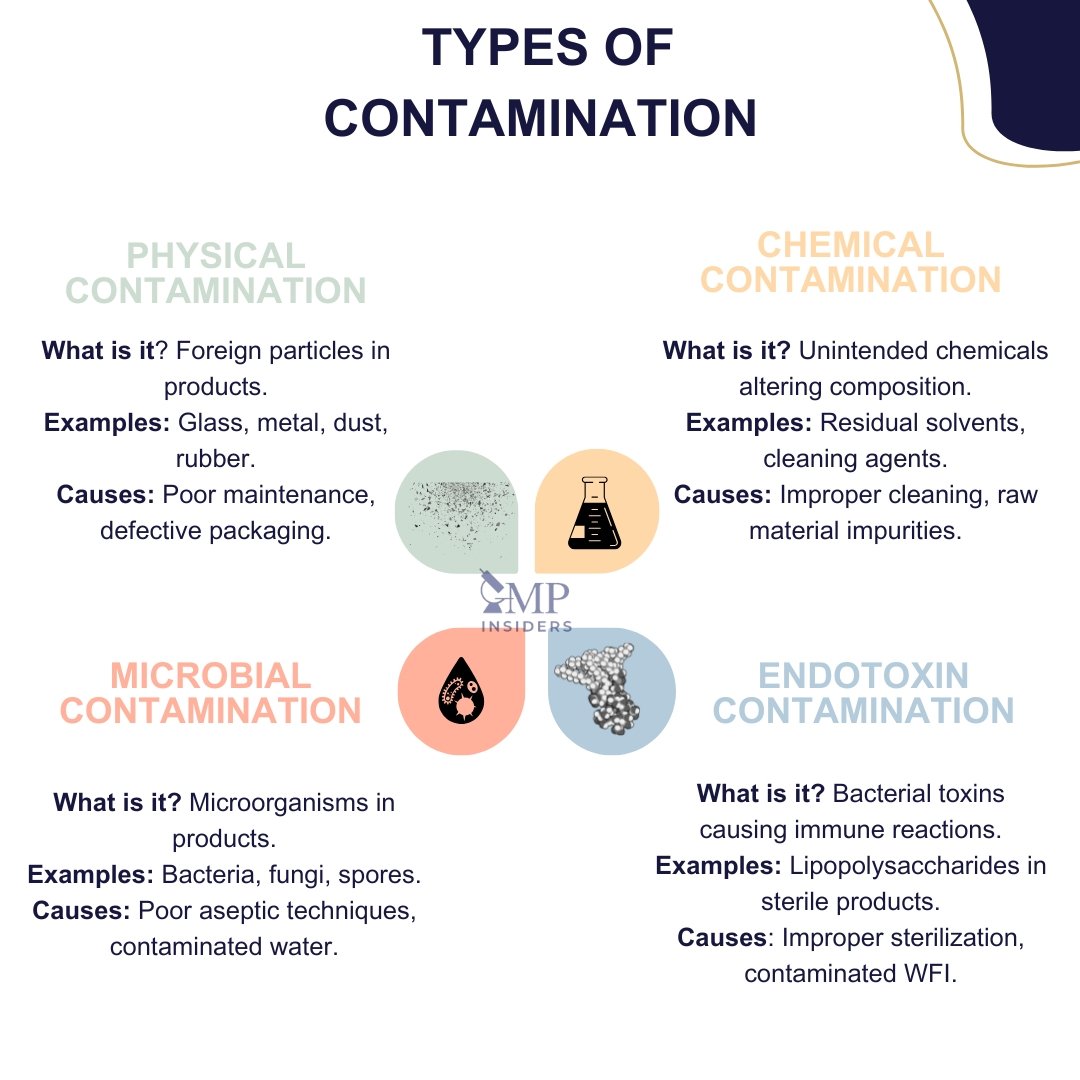
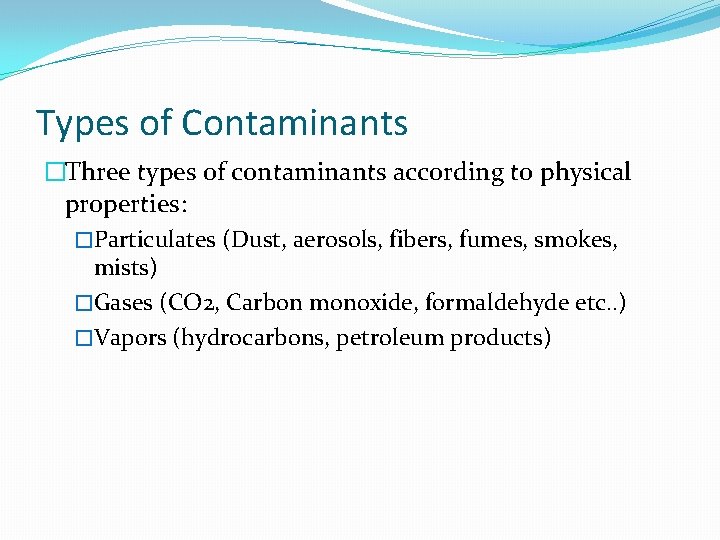
Biological contaminants include microorganisms like bacteria, viruses, parasites, and fungi. Chemical contaminants involve toxic substances such as cleaning agents, sanitizers, pesticide residues, and heavy metals. Physical contaminants, on the other hand, are foreign objects that accidentally find their way into food products. Recognizing these distinct categories is the first step toward effective hazard analysis and critical control point (HACCP) management.
Which One of the Following Contaminants Is a Physical Contaminant?
If you are taking a food safety exam and need to identify which one of the following contaminants is a physical contaminant, you must look for tangible, foreign materials that do not naturally belong in the food. Common multiple-choice options for physical contaminants typically include items like hair, bandages, broken glass, metal shavings, fingernails, dirt, stones, or plastic fragments.
For example, if a multiple-choice question lists salmonella (biological), bleach (chemical), pesticide residue (chemical), and a piece of broken glass (physical), the correct answer is the broken glass. Physical contaminants are unique because they are usually visible to the naked eye and can cause immediate physical harm, such as choking, broken teeth, or internal cuts, rather than systemic illness.
Common Examples of Physical Contaminants
Physical objects can contaminate food at any point during harvesting, processing, packaging, preparation, or service. Being aware of these common hazards helps kitchen staff prevent accidental contamination.
Natural vs. Accidental Foreign Objects
Physical hazards generally stem from two distinct sources: naturally occurring elements and accidental additions.
Video: Which one of the following contaminants is a physical contaminant? Hair Detergent insecticide Botuli
- Natural physical contaminants: These are parts of the food source that were not completely removed during processing, such as fruit pits, apple stems, fish bones, or eggshells. While natural, they still pose a hazard to the consumer.
- Accidental physical contaminants: These are completely foreign objects introduced by human error, equipment failure, or environmental factors. Examples include jewelry, hair, plasters/bandages, packaging materials, and screws from broken machinery.
Everyday Items Found in Contaminated Food
In a food service environment, strict protocols are enforced to keep specific items away from food prep stations. Some of the most frequently cited physical contaminants include:
- Glass: Broken lightbulbs, jars, or glass containers near food lines.
- Metal: Staples from packaging, bits of wire from scrub pads, or metal shavings from worn kitchen equipment.
- Plastic: Chunks of broken food storage containers, wrap, or strapping bands.
- Personal items: Fake fingernails, hair, earrings, or wristwatches that fall into mixing bowls.
- Pest debris: Insects, rodent droppings, or nesting materials.
Health Risks Associated with Physical Contaminants
Unlike biological pathogens that cause food poisoning or chemical toxins that lead to poisoning, physical contaminants cause mechanical injuries. The severity of the injury depends largely on the size, shape, and hardness of the object.
Small particles like grains of sand or stray hairs may cause disgust or minor irritation, but larger or sharper objects present severe dangers. A shard of glass or a piece of jagged metal can puncture the esophagus, tear the stomach lining, or cause choking and severe dental damage. Furthermore, physical objects can sometimes act as vectors for biological contaminants, carrying bacteria directly into the food they land in.
How to Prevent Physical Contamination
Preventing physical hazards requires vigilance, standard operating procedures, and proper equipment maintenance. Food establishments implement several key strategies to keep food safe from foreign objects:
- Good Personal Hygiene: Food handlers should wear appropriate hairnets, keep fingernails trimmed without polish or artificial tips, and avoid wearing loose jewelry in the kitchen.
- Equipment Maintenance: Regular inspections of slicers, mixers, and can openers help prevent metal shavings or loose screws from dropping into food batches.
- Shielded Lighting: Installing shatterproof bulbs or protective guards over cooking and prep areas prevents glass from contaminating food if a bulb breaks.
- Proper Storage and Handling: Using food-grade plastic containers instead of cheap, brittle containers reduces the risk of plastic fragments chipping off.
- Visual Inspection: Chefs and line cooks must inspect ingredients during preparation, particularly when sorting through raw produce, removing fish bones, or opening bulk packages.
Conclusion
Mastering food safety concepts ensures that meals prepared for the public remain wholesome and safe to eat. When evaluating test questions or setting up kitchen protocols, remember that physical contaminants are foreign objects—like glass, metal, hair, or plastic—that can cause injury. By maintaining strict hygiene standards, inspecting equipment regularly, and practicing careful food handling, commercial kitchens and home cooks alike can virtually eliminate these hazards.