法定繼承人: Who Inherits When There Is No Will?
When someone passes away without leaving a valid will, the distribution of their estate falls under statutory laws. In legal terms, the individuals entitled to receive a portion of this estate are known as the 法定繼承人 (statutory heirs). Navigating these laws can be complex, especially during an emotionally difficult time. Understanding who qualifies as a legal heir and how assets are distributed ensures clarity and helps families navigate probate courts smoothly.
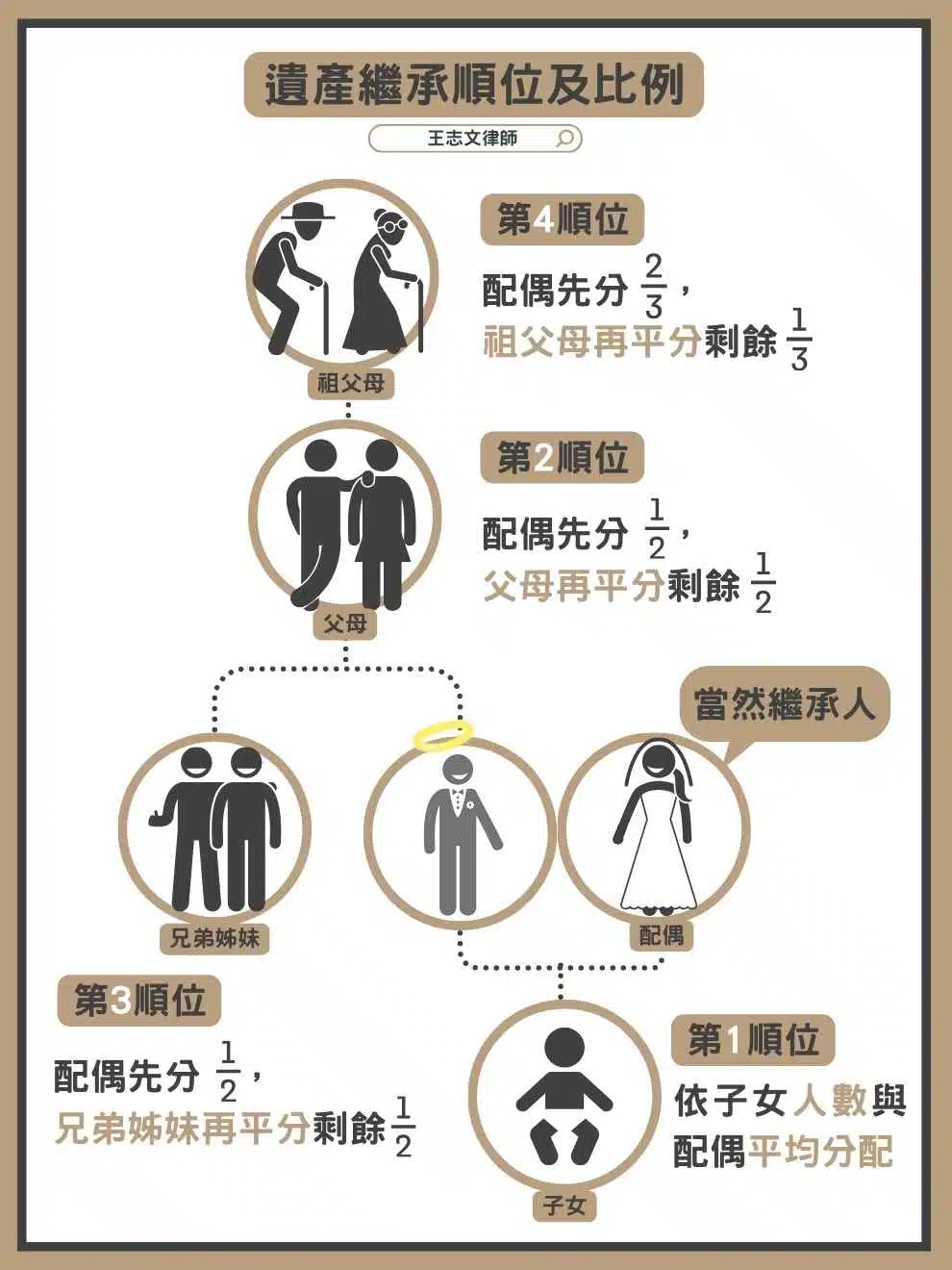
Understanding the Concept of 法定繼承人
Statutory inheritance is designed to reflect what a typical person would want for their closest family members. When a decedent dies intestate (without a will), state or national laws step in to create a default inheritance plan. This plan establishes a strict hierarchy of relatives who qualify as statutory heirs.
The primary purpose of these laws is to prevent disputes and ensure that dependents—such as surviving spouses and children—are financially protected. However, because these rules are rigid, they may not always align with the deceased person's actual wishes, making estate planning crucial while a person is still alive.
The Hierarchy of Legal Heirs
Most legal systems establish tiers of relatives. If a person in a higher tier exists and survives the decedent, they inherit the estate, and lower tiers receive nothing. While specific statutes vary by jurisdiction, the standard structure generally follows a predictable order.
1. The Surviving Spouse
In almost all jurisdictions, the surviving husband or wife holds a privileged position among statutory heirs. Depending on the local laws and whether there are surviving children or parents, the spouse may inherit the entire estate or share it with other specified relatives. If the couple was legally separated or going through a divorce that was not finalized before the death, the surviving spouse may still retain their inheritance rights.
2. Children and Descendants
Biological children, legally adopted children, and in some cases, descendants of predeceased children (grandchildren) form the next primary tier. If there is no surviving spouse, the children typically split the estate equally. Adopted children possess the exact same inheritance rights as biological children under modern legal frameworks. Stepchildren, however, are usually excluded unless they were formally adopted by the decedent.
3. Parents and Siblings
Video: 永然說法 | 法定繼承人的順序 | 李永然律師 | 20240305

If the deceased person leaves behind no surviving spouse and no descendants, the claim shifts upward and outward to the parents and siblings. In many jurisdictions, parents share the estate with siblings, or parents inherit everything if no siblings exist. If the parents have also passed away, the siblings step into the inheritance line, often with provisions for nieces and nephews if a sibling has already died.
4. More Distant Relatives
When an individual has no spouse, children, parents, or siblings, the search for legal heirs extends to more distant relatives. This group includes:
- Grandpanrents and great-grandparents
- Aunts, uncles, and first cousins
- Great-aunts and great-uncles
The law usually sets a cutoff point for how far down the family tree the search can go. If no living relatives can be found within the legally defined degree of kinship, the estate typically escheats—meaning it reverts to the government or the state.
Common Misconceptions About Statutory Heirs
Many people harbor misunderstandings about how intestacy laws work. Clearing up these myths can prevent unexpected financial surprises after a loved one passes away.
- Unmarried partners: In many jurisdictions, romantic partners who are not legally married or in a registered civil union have zero automatic rights as statutory heirs, regardless of how long they lived together.
- Step-relatives: Stepchildren and stepparents are generally left out of statutory inheritance unless formal adoption procedures were completed.
- Friends and charities: Without a written will, friends, neighbors, and charitable organizations cannot inherit any portion of the estate through statutory channels.
How to Avoid Intestacy Complications
Relying on the state's definition of a statutory heir takes control away from the individual. The most effective way to ensure your assets go to the people and causes you actually care about is to draft a comprehensive estate plan.
By working with an estate attorney to draft a clear will or establish living trusts, you can:
- Specify exact shares for your beneficiaries.
- Include unmarried partners, stepfamily members, or charities.
- Appoint trusted executors to manage your estate administration.
- Minimize potential family conflicts over asset distribution.
Conclusion
The rules governing a 法定繼承人 provide a necessary safety net when a person dies without a will, prioritizing spouses, children, and close blood relatives. However, these default legal frameworks rarely match everyone's unique family dynamics. Taking the time to write a formal will remains the best strategy to protect your loved ones and ensure your estate is distributed according to your personal wishes.


