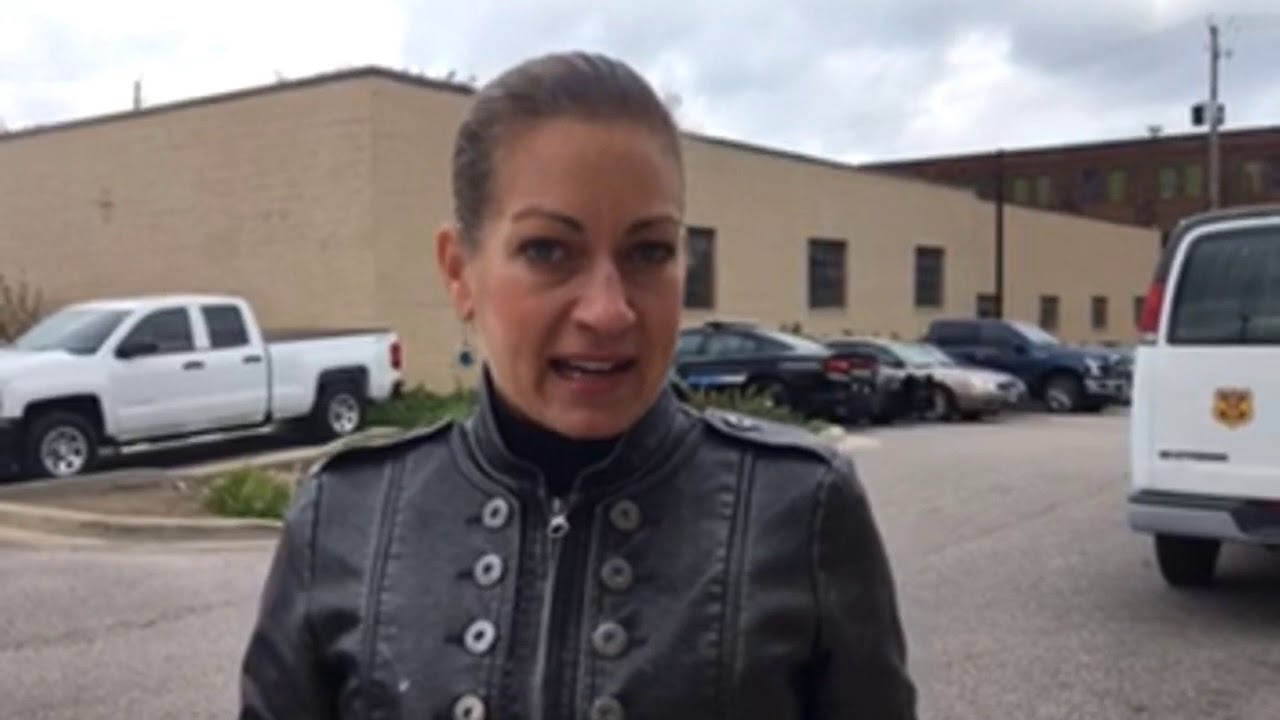
Who Is Jennifer Ciaccia? Career & Media Impact
When major breaking news hits a major American metropolitan area, the voice representing law enforcement carries immense weight. For years in Northeast Ohio, that voice often belonged to Jennifer Ciaccia. Serving as a longtime sergeant and Public Information Officer (PIO) for the Cleveland Division of Police, Ciaccia stood at the critical intersection of law enforcement, broadcast media, and community relations during some of the city's most scrutinized and historic moments.

Her work offers a compelling case study in modern crisis communications, community-oriented policing, and the demanding responsibilities placed on public servants who operate in front of the camera. Here is an in-depth look at her background, her pivotal leadership role, and the lessons her career offers to media professionals and public safety leaders alike.
From Patrol Officer to Department Spokesperson
Before stepping into the media spotlight, Jennifer Ciaccia built her foundation on the streets as a sworn law enforcement officer. Joining the Cleveland Division of Police, she carried out frontline patrol duties, navigating the challenges typical of an urban police department. This operational experience proved indispensable later in her career, grounding her public statements in firsthand knowledge of police procedure, legal constraints, and officer safety.
Rising through the ranks to sergeant, Ciaccia eventually transitioned into the Public Information Office. The move from patrol to media affairs requires a distinct skill set: the ability to translate complex tactical operations into plain language, an understanding of constitutional standards and privacy laws, and the composure to face intense questioning during rapidly evolving crises.
The Voice of Public Safety: Jennifer Ciaccia as Cleveland Police PIO
As the primary public face and voice of the department, Jennifer Ciaccia managed daily inquiries from local, national, and international journalists. In a major market like Cleveland, the public information desk operates around the clock, fielding questions on everything from traffic advisories and community outreach programs to homicides and officer-involved critical incidents.
During her tenure, Ciaccia’s responsibilities spanned several core areas:
- Daily Media Briefings: Coordinating with broadcast journalists, print reporters, and digital newsrooms to provide timely, verified details on ongoing investigations.
- Crisis Communications: Formulating real-time responses during emergency events to prevent rumors, ensure public safety, and protect operational integrity.
- Community Engagement: Amplifying departmental initiatives designed to bridge gaps between law enforcement personnel and neighborhood residents.
- Press Conferences: Organizing and facilitating major briefings alongside city leadership, police chiefs, and federal partner agencies.
Navigating High-Stakes Events and National Headlines
During the 2010s, Cleveland was frequently in the national media spotlight. From high-profile criminal cases and civil rights investigations to the 2016 Republican National Convention (RNC), public safety communications were subjected to rigorous scrutiny. The 2016 RNC alone brought tens of thousands of delegates, protesters, and media figures into downtown Cleveland, requiring flawless multi-agency coordination.
Throughout these events, Ciaccia was tasked with delivering accurate, vetted updates while navigating the high-pressure environment of live news coverage. Public information officers must walk a fine line: releasing information too slowly can lead to harmful speculation, while releasing unverified details can jeopardize investigations or violate legal standards. Ciaccia earned respect across newsrooms for her steady professionalism and commitment to factual accuracy under pressure.

The Realities of Modern Public Information Management
The role of a police spokesperson has fundamentally transformed with the advent of smartphones, social media, and 24-hour digital news cycles. Today, citizen video often appears online long before investigators complete their preliminary walkthrough of a scene. Working in this environment requires adaptability, patience, and rigorous discipline.
Balancing Transparency with Investigative Integrity
One of the most persistent hurdles Ciaccia managed was the tension between the public's right to know and the legal protections required for a fair trial. When severe crimes occur, communities demand immediate answers. However, prematurely disclosing witness accounts, forensic evidence, or sensitive surveillance data can compromise an entire case. Navigating public frustration while holding firm to statutory guidelines is a defining requirement of a successful PIO.
Adapting to Digital Channels
During Ciaccia's service, police communications evolved beyond traditional television press conferences to encompass direct-to-citizen messaging. Managing social media accounts, releasing body-worn camera footage in accordance with public records laws, and combating misinformation on social platforms became regular parts of the job. By embracing these channels, the department sought to establish direct, unmediated communication with residents.
Key Communications Lessons from Ciaccia's Career
Professionals working in public relations, crisis management, and public administration can draw several valuable insights from Jennifer Ciaccia's career in law enforcement media relations:
- Prioritize Accuracy Over Speed: In the rush to meet digital deadlines, the pressure to speculate is intense. Consistently committing to verified facts protects institutional credibility.
- Maintain Professional Equanimity: In moments of public distress or contentious debate, spokespersons must remain calm, objective, and focused on public safety rather than personal reaction.
- Foster Long-Term Relationships with the Press: Mutual respect between journalists and communications officers creates an environment where accurate information travels faster during genuine emergencies.
- Never Forget the Human Element: Behind every incident report, arrest, or briefing are victims, families, and neighborhood residents. Ethical messaging always reflects awareness of the human lives involved.
Conclusion and Enduring Impact
Through years of dedicated public service, Jennifer Ciaccia established herself as a trusted and steady communicator in Cleveland law enforcement. Balancing the duties of a sworn police sergeant with the demanding public accountability of a media spokesperson, she helped guide the city through complex, sensitive, and historic events. Her work stands as an enduring example of the vital role transparent, ethical communication plays in preserving community safety and public trust.