Who Is the Dancing Weatherman? Viral Weather Stories
When people tune into the local news, they usually expect a straightforward breakdown of high-pressure systems, cold fronts, and weekend rain chances. However, over the past few years, a distinct trend has taken over television screens and social media feeds: the dancing weatherman. These charismatic meteorologists have redefined how weather is reported, turning standard green-screen segments into viral internet sensations.
Far from being just a gimmick, this blend of broadcast journalism and choreography has captivated millions worldwide. In this article, we explore how these weather personalities captured the public imagination, who the most famous dancing forecasters are, and why their high-energy approach resonates so deeply with viewers.
The Rise of the Dancing Weatherman Phenomenon
For decades, weather forecasting followed a rigid, predictable script. A meteorologist stood in front of a map, pointed at incoming precipitation, and delivered the data with professional gravity. While that format remains a staple of news broadcasting, the digital age changed what viewers want from their daily media consumption.
Social media platforms like TikTok, Instagram, and YouTube reward authenticity, humor, and movement. Meteorologists, who often have more autonomy during live segments or digital updates than traditional news anchors, began experimenting. What started as an impromptu shuffle during a commercial break or a lighthearted Friday segment quickly morphed into full-scale choreographed routines.
Audiences responded enthusiastically. In a media landscape often dominated by heavy news and stressful global events, a three-minute forecast featuring synchronized dancing offered a refreshing burst of unadulterated joy.
Meet the Most Famous Dancing Forecasters
Several meteorologists have earned global recognition for their moves, turning local broadcast spots into internet goldmines. Here are the most prominent figures associated with the title of the dancing weatherman.
Nick Kosir: The Ultimate Fox 4 Meteorologist
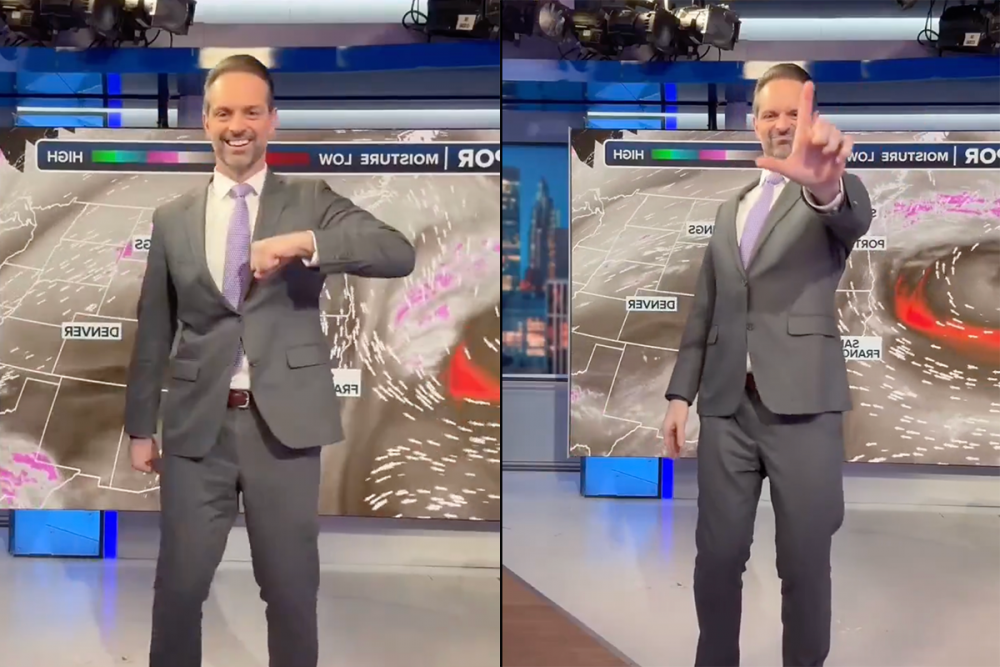
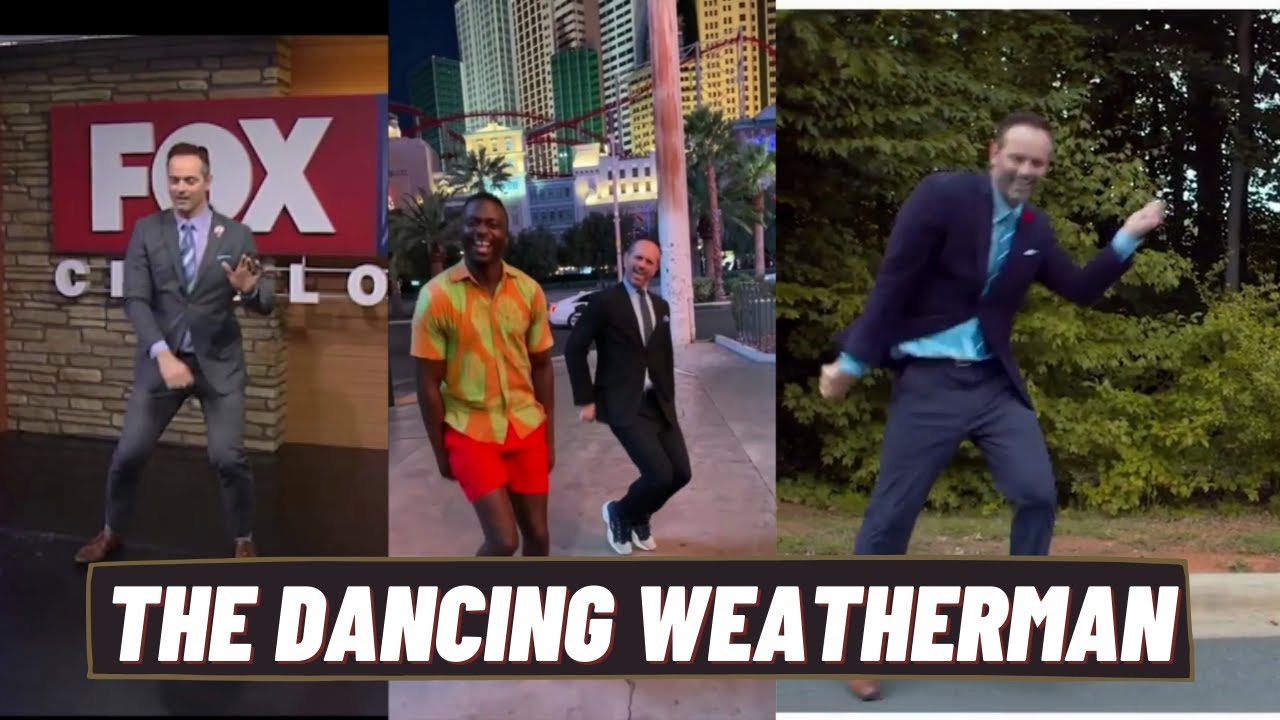
Perhaps the most famous face of this movement is Nick Kosir, widely known online as "DanceCamNick." Originally working local markets before gaining massive national attention at Fox 4 in Charlotte and later joining Fox Weather, Kosir became an internet darling by challenging celebrities, athletes, and fellow anchors to dance-offs.
Kosir is particularly famous for his spot-on recreations of viral TikTok dances, often performed in a full suit while analyzing the weekly forecast. His dedication to rhythm—and his willingness to look completely silly for the sake of entertainment—helped him amass millions of followers across social media platforms.
Other Notable Broadcast Dancers
While Kosir pioneered the modern digital side of the trend, local newsrooms across the United States and internationally boast their own resident dancers:
Video: Meet The Dancing Weatherman, Nick Kosir

- Morning Show Crews: Weekend and morning teams frequently use light choreography to ease viewers into their day, particularly during Friday "feel-good" segments.
- Global Counterparts: International broadcasters have also leaned into physical comedy and dance, proving that rhythm transcends language barriers when communicating weather patterns.
Why Do These Viral Moments Work?
The success of the dancing weatherman goes beyond simple novelty. There are several psychological and structural reasons why these segments consistently go viral.
Humanizing the News
Traditional news anchors can sometimes appear distant or overly formal. When a meteorologist breaks into a hip-hop routine or performs a cheerful salsa step on live television, it immediately strips away that barrier. Viewers see them as relatable, fun human beings rather than just talking heads reading a teleprompter.
The Power of Counter-Programming
Weather reports traditionally follow a predictable rhythm: serious, informative, and routine. Inserting high-energy dance choreography acts as a brilliant pattern interrupt. It surprises the brain, generating a spike of dopamine that makes the viewer much more likely to remember the forecast—and share the clip online.
Community and Engagement
Social media algorithms thrive on shareable content. By posting their dance routines online, meteorologists can interact directly with their audience in the comments section. Viewers often request specific songs or challenge the forecasters to tackle difficult new dance trends, creating an interactive loop between the television screen and the smartphone.
Criticism and the Balancing Act
Like any departure from tradition, the shift toward entertainment in broadcasting has faced minor criticisms. Some purists argue that news programs should remain strictly professional, maintaining a clear line between journalism and social media pandering.
However, successful meteorologists have mastered the delicate balance required for the job. They never sacrifice accuracy for entertainment. A typical broadcast still delivers critical safety warnings, accurate temperature readings, and essential storm tracking. The dance is merely a wrapper—a creative vehicle used to deliver necessary information in a memorable way.
Conclusion: The Future of Weather Broadcasting
The phenomenon of the dancing weatherman highlights a broader evolution in media: the demand for personality. As traditional television competes with endless digital options, newsrooms must adapt to keep viewers engaged. By embracing humor, humanity, and a bit of rhythm, modern meteorologists have proven that even a routine forecast for a Tuesday afternoon can become the highlight of someone's day.