Who Owns Elite Sports? The Billionaire Athletes' Vantage
Introduction: The Changing Face of Sports Wealth

For decades, the hierarchy of professional sports was simple: aging industrialists, real estate moguls, and inheritance heirs owned the teams, while the athletes—no matter how talented—were simply well-compensated labor. Today, that traditional pyramid is cracking. A new class of sports icon is rising, bringing a radical shift in how we understand the billionaire athletes' vantage — who truly control the world's most expensive score.
Modern superstars are no longer content with just collecting massive salaries and lucrative endorsement deals. Armed with venture capital acumen, private equity partnerships, and personal brands worth billions, athletes like LeBron James, Serena Williams, and Lionel Messi are crossing the threshold from employee to owner. This transformation is rewriting the economic rules of the global sports landscape.
The Evolution from Employee to Mogul
To understand how we reached this point, we have to look at how athlete compensation has evolved. In the 1970s and 80s, free agency granted players the right to sell their services to the highest bidder, sparking the first generation of million-dollar athletes. However, the gap between player earnings and franchise valuations remained astronomical. A team owner could buy a franchise for $50 million and see it appreciate to $3 billion over twenty years, while the players who generated that value walked away with a fraction of the enterprise value.
The modern era has dismantled that paradigm. Driven by multibillion-dollar broadcasting rights, global streaming deals, and skyrocketing ticket prices, sports franchises are among the most stable appreciating assets on earth. Recognizing this, elite athletes have begun demanding equity, revenue-sharing models, and direct ownership stakes.
Key Milestones in Athlete Wealth
- The Endorsement Boom: Michael Jordan’s partnership with Nike in the 1980s proved that an athlete could anchor a global consumer brand and share in its profits.
- Equity as Compensation: Modern stars routinely negotiate equity stakes in early-stage startups, fitness tech companies, and alternative beverage brands instead of straight cash.
- Direct Franchise Ownership: Athletes are now buying minority—and sometimes majority—stakes in WNBA, MLS, MLB, and European soccer clubs while still active in their playing careers.
Inside the Billionaire Athletes’ Vantage
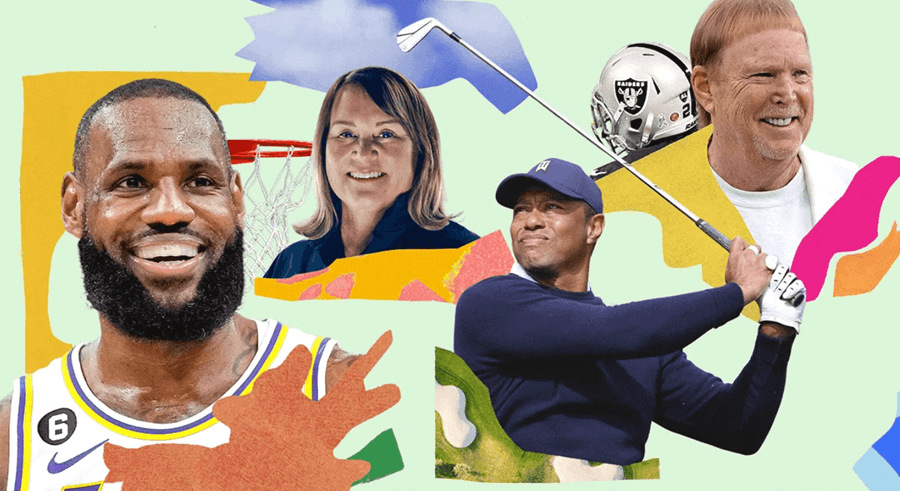
When analyzing the billionaire athletes' vantage — who truly control the world's most expensive score, we must examine the intersection of cultural capital and financial leverage. Traditional billionaires possess capital, but they often lack cultural relevance. Athletes possess both. They dictate trends, command hundreds of millions of social media followers, and hold direct emotional connections with consumers.
This dual power gives athlete-investors unprecedented leverage. When LeBron James partners with Fenway Sports Group, he isn’t just an investor; he is the bridge between traditional sports capital and the next generation of global fans. Similarly, when David Beckham negotiated a clause in his MLS contract to purchase an expansion team at a discounted rate, he laid the blueprint for how players can manufacture generational wealth far beyond their playing days.
The Friction Points: Traditional Owners vs. Athlete-Investors
The rise of the athlete-mogul has not gone unnoticed by legacy owners. Traditional sports leagues are notoriously clubby, guarded ecosystems. Bringing in active or recently retired players as owners introduces a fascinating conflict of interest. Can an athlete sit on the board of a franchise while maintaining a friendly relationship with the players' union? How do collective bargaining agreements adapt when a superstar player owns a stake in a competing franchise?
Furthermore, legacy owners have historically guarded the valuation of their assets. By allowing players into the ownership circle—often through private equity funds dedicated to athlete investing—leagues are opening the curtain on financial metrics that were previously kept strictly confidential.
The Future of Global Sports Control
Looking ahead, the line between athlete and owner will continue to blur. We are moving toward a model where top-tier athletes function as venture funds unto themselves. They build media companies, launch venture capital funds, and secure ownership pieces in global sports empires before they ever hang up their jerseys.
Ultimately, the battle for control over the world's most expensive score is no longer just about who writes the biggest check. It is about who commands the narrative, the attention, and the loyalty of the global audience. As athlete-moguls continue to scale their influence, the traditional billionaire owner may find that money alone is no longer enough to run the game.