Why Alligators Are Thriving in Spokane River Suddenly
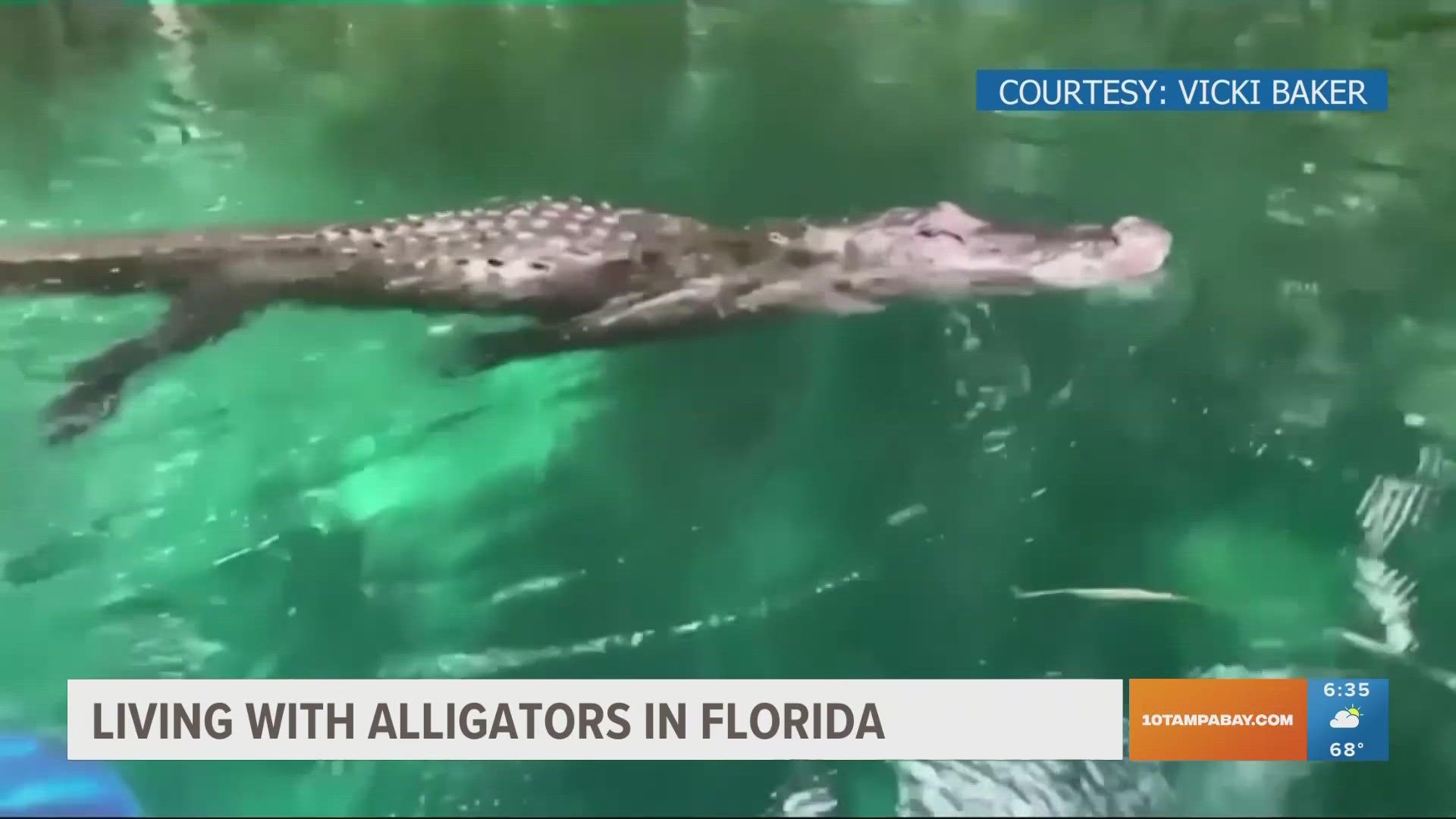
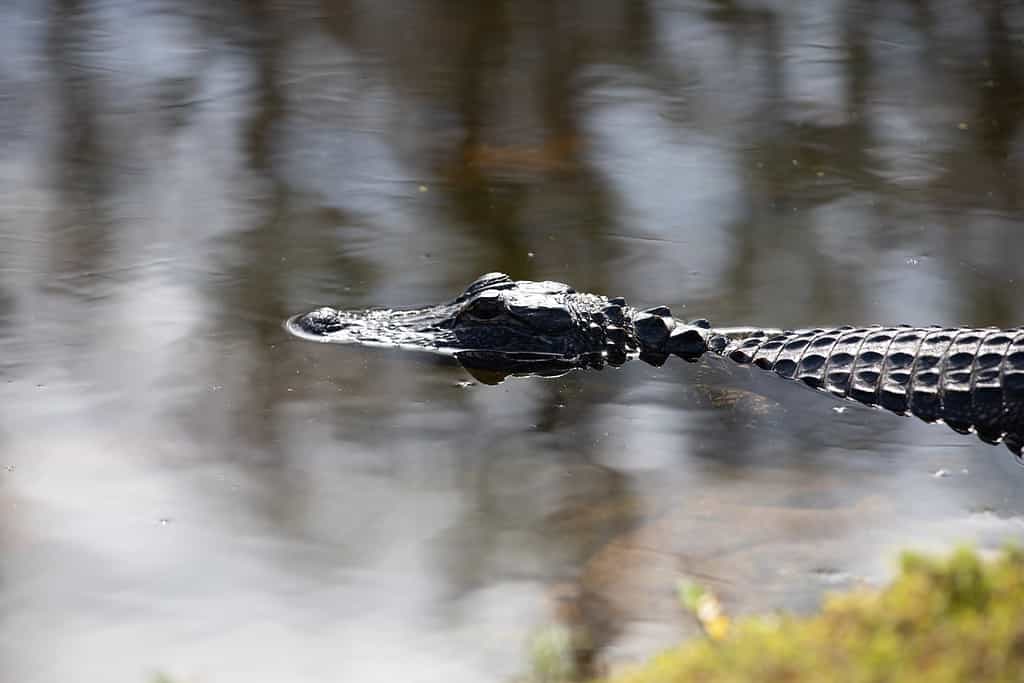
Over the past several months, social media feeds across the Inland Northwest have buzzed with astonishing claims, viral clips, and anxious community forum posts asking why alligators are thriving in Spokane River suddenly. To anyone familiar with Eastern Washington’s snowmelt-fed waterways and freezing winters, the idea of an apex subtropical predator establishing a stronghold in Spokane sounds like an April Fools' joke. Yet, reports of reptilian silhouettes basking along riverbanks and isolated exotic animal rescues have turned a local rumor into a legitimate point of public curiosity.

To understand what is actually taking place in the Spokane River, one must untangle viral sensationalism from the very real phenomena of illicit wildlife dumping, warm-season microclimates, and shifting river temperatures.
The Source of the Sighting Surge
The sudden influx of questions regarding alligators in the Spokane River largely stems from a convergence of isolated pet releases, misidentifications, and viral content algorithms. In freshwater environments across the western United States, sightings of unusual aquatic species frequently spike in mid-to-late summer.
During the warmer months, residents flock to stretches of the river like the Spokane Valley calm waters, the Little Spokane confluence, and Long Lake (Lake Spokane) for paddleboarding, kayaking, and fishing. Increased human presence leads to higher detection rates of anomalies, including:
- Discarded exotic pets: Unlicensed owners who buy baby American alligators (Alligator mississippiensis) or caimans illegally online often discard them when the animals grow too large, aggressive, and expensive to house.
- Misidentified native wildlife: Submerged waterlogged logs, large river otters, swimming beavers, or unusually large common carp can easily be mistaken for crocodilians in low-light conditions or through low-resolution smartphone cameras.
- AI-generated and satirical posts: Several viral social media posts featuring hyper-realistic images of large alligators hauled out near the Spokane Falls or Nine Mile Dam have driven intense search traffic despite lacking any biological confirmation.
Why Alligators are Thriving in Spokane River Suddenly: The Facts
When locals ask why alligators are thriving in Spokane River suddenly, wildlife biologists at the Washington Department of Fish and Wildlife (WDFW) offer a crucial correction: alligators are not thriving, nor are they establishing a self-sustaining population. However, during specific times of the year, an abandoned alligator can survive longer than many people realize.
1. Temporary Summer Thermal Windows
From late July through early September, sections of the Spokane River slow to a crawl, and surface water temperatures can climb into the high 60s and lower 70s Fahrenheit. While this is cooler than an alligator’s optimal metabolic range (82°F to 92°F), it is warm enough for an adult or sub-adult alligator to remain active, hunt, and digest food during the summer months.
2. Abundant Warm-Water Forage
The Spokane River ecosystem, especially downstream toward Lake Spokane, holds dense populations of prey. Non-native carp, suckers, bullheads, and small mammals along the riparian edge provide an easy food supply for an opportunistic predator. An escaped or released exotic reptile will find no shortage of meals during a hot Inland Northwest August.
3. Artificial Microclimates
In municipal and industrial stretches of river systems, industrial discharges, stormwater outfalls, and wastewater treatment discharge areas can create localized plumes of warm water. While these areas do not replicate a southern bayou, they can provide temporary thermal refugia for an introduced cold-blooded creature struggling with cooler river currents.

The Biological Reality: The Winter Barrier
Despite temporary summer survival, the claim that alligators are permanently establishing or breeding in the Spokane River collapses under fundamental crocodilian biology.
Alligators are ectothermic organisms reliant entirely on external heat to regulate their metabolism. In their native range across the southeastern United States, they survive winter freezes through a state called brumation. During brumation, an alligator slows its heart rate, submerges its body, and sticks its snout out of the water, allowing ice to freeze around its nostrils while it breathes.
However, brumation has strict ecological limits:
- Duration of Cold: Southeastern freezes generally last a few days to a week before warm sunlight returns. Spokane winters bring sustained sub-freezing temperatures from November through February.
- Prolonged Lethal Cold: If water temperatures remain below 45°F (7°C) for extended periods, an alligator's immune system collapses, digestion ceases, and the animal experiences fatal hypothermia or drowning.
- Lack of Incubation Heat: Alligator eggs require continuous temperatures between 82°F and 93°F for roughly 65 days to incubate successfully. Spokane soil and riverbank temperatures simply cannot support viable nests.
The Real Ecological Hazard: Exotic Pet Abandonment
While the prospect of an alligator lurking beneath the Spokane Falls is mostly the stuff of urban legend, the underlying reality highlights an escalating environmental challenge: invasive and exotic species introduction.
Releasing non-native reptiles into Washington waters is illegal under state law (RCW 77.15.251) and constitutes animal cruelty. Released exotic animals usually suffer slow, agonizing deaths as autumn transitions to winter. Furthermore, if the released animal is an adaptable competitor, the ecological consequences can be devastating.
The Spokane River already battles several introduced organisms that genuinely thrive, including:
- Northern Pike: Highly aggressive predators in Lake Spokane that imperil native trout and salmonids.
- Red-Eared Slider Turtles: Former pets that outcompete native Western painted turtles for prime basking logs and foraging grounds.
- Invasive Aquatic Weeds: Eurasian watermilfoil and curly-leaf pondweed that choke shallow bays and alter dissolved oxygen levels.
What to Do If You Encounter an Exotic Reptile
If you spend time on the water around Spokane, Coeur d'Alene, or downstream impoundments, encountering an escaped or abandoned exotic reptile remains an extreme rarity—but not an impossibility.
- Maintain a Safe Distance: Never attempt to capture, poke, or corner an alligator or large exotic reptile. Even a small, chilled alligator possesses powerful jaws and sharp teeth capable of inflicting serious puncture wounds and bacterial infections.
- Document the Location: Take clear photographs or video from a safe distance, noting landmarks, GPS coordinates, or river mile markers.
- Notify Wildlife Authorities Immediately: Contact the Washington Department of Fish and Wildlife regional office or local animal control services. Trained wildlife officers possess the equipment necessary to humanely capture the animal and transfer it to an accredited sanctuary.
The Bottom Line
The Spokane River remains one of the Pacific Northwest’s most scenic and accessible urban waterways, celebrated for its redband trout, osprey, and striking granite gorges. While summer warmth and careless owners occasionally result in startling headlines, alligators are not thriving in Spokane. Eastern Washington’s harsh winters ensure the river remains the realm of native trout and river otters, rather than swamp predators.