Why Allstate is Not Equivalent to Chaos—Despite the Mayhem Guy’s Influence!
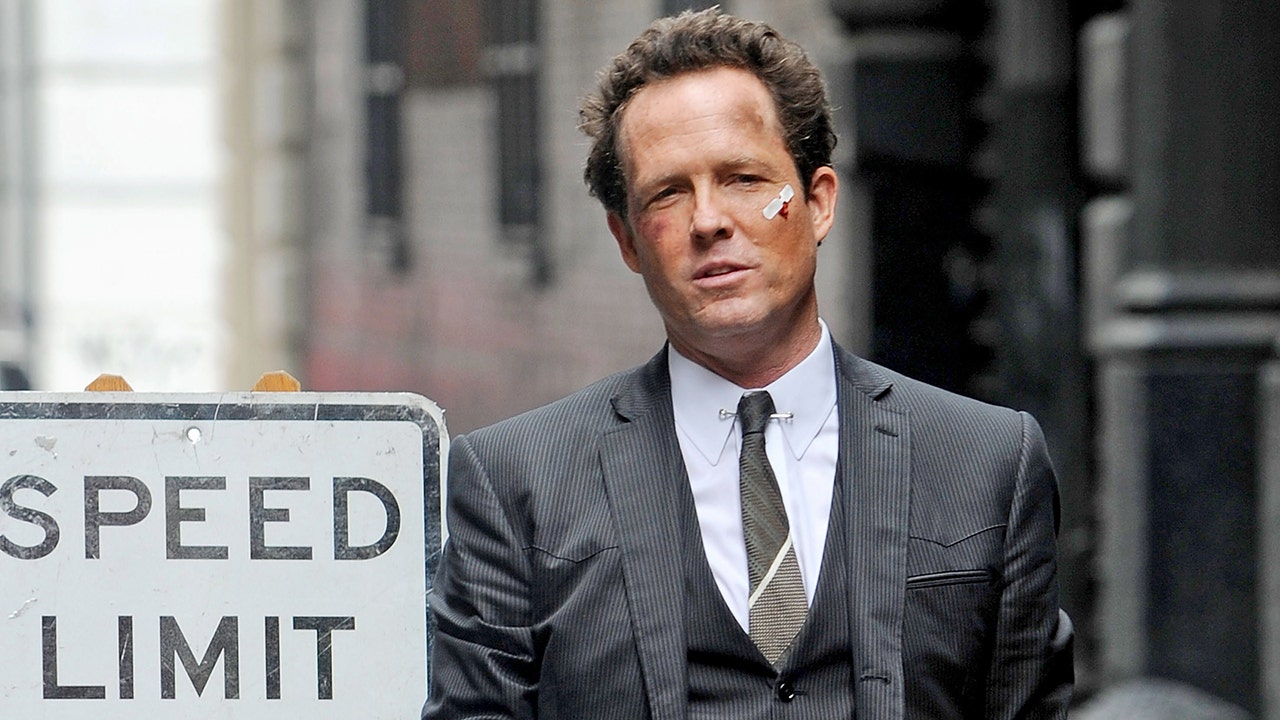
Since 2010, television screens across the nation have regularly played host to a bruised, tailored, deadpan agent of destruction known simply as "Mayhem." Played with razor-sharp charisma by actor Dean Winters, the character has posed as an emotionally compromised teenage girl in an SUV, a rogue GPS unit sending drivers down one-way alleys, and a distracted raccoon residing in your attic. This brilliant marketing strategy has made the character a household name, but it also creates an amusing juxtaposition: unpacking Why Allstate is Not Equivalent to Chaos—Despite the Mayhem Guy’s Influence! requires looking past the comedic wreckage on screen to examine the structural calm of one of the nation's largest insurance carriers.

Advertising thrives on emotion, and few campaigns tap into visceral human anxieties as effectively as Allstate's Mayhem. However, confusing the mascot with the institution misses the entire mechanical purpose of insurance. In reality, the Mayhem campaign does not depict Allstate as unpredictable; it presents Allstate as the only rational firewall against a world that already is.
The Strategic Psychology Behind the Mayhem Campaign
To understand the disconnect between the character and the company, you have to rewind to the media landscape of 2010. Rival insurers had dominated the airwaves for years with cheerful, price-focused messaging emphasizing that switching could save drivers fifteen percent in fifteen minutes. This framing reduced automobile insurance to a simple transactional commodity, urging consumers to prioritize the lowest monthly rate over comprehensive protection.
Created by the advertising agency Leo Burnett, Mayhem was conceived as an antidote to this narrative. The campaign introduced a psychological concept known in behavioral economics as risk salience. When life is going smoothly, drivers view insurance as an unnecessary tax. By personifying freak accidents, falling tree branches, and blind spots, Mayhem reminds consumers of an uncomfortable truth: low-cost policies often come with bare-minimum limits that leave policyholders financially exposed when an emergency strikes.
In essence, Mayhem is not the face of Allstate. Mayhem is the face of the unhedged real world—and the cut-rate, bare-bones policies of its competitors that fail to shield you from it.
Why Allstate is Not Equivalent to Chaos—Despite the Mayhem Guy’s Influence!
Beneath the smoking tailpipes and shattered windshields of television commercials lies a deeply conservative, data-driven financial institution. Far from operating in chaos, Allstate relies on precise actuarial models, extensive reserves, and methodical claims processing to deliver consistency to its policyholders.
1. Financial Solvency and Claims-Paying Strength
An insurance provider is only as dependable as its balance sheet. When widespread catastrophe strikes—such as a hurricane or severe winter freeze—a chaotic company risks insolvency. Allstate, founded in 1931, maintains an exceptional record of financial durability. Independent credit rating agencies such as AM Best consistently award Allstate high financial strength ratings (typically hovering in the "A+" Superior tier).
These ratings demonstrate that the company carries billions of dollars in policyholder surplus, ensuring it can honor valid claims even during historically volatile disaster seasons.
2. The Enduring Promise: "You're in Good Hands"
Video: What happened to the Allstate's Mayhem?

While Mayhem grabs headlines and social media impressions, Allstate's foundational identity remains anchored by its classic slogan, "You're in Good Hands," originally coined in 1950 by sales executive Davis W. Ellis. This motto represents the core service layer: calm, structured, and deliberate customer support.
When policyholders file a claim, they are not met with cinematic frenzy. Instead, they interact with structured adjusters, an expansive network of guaranteed repair facilities, and digital inspection tools that assess damage via mobile uploads within hours.
The Real-World Gap: Cut-Rate Coverage vs. Comprehensive Protection
The central lesson behind every Mayhem commercial is the distinction between legally mandated minimum liability and true personal balance sheet protection. Many drivers shop strictly for the lowest monthly premium without understanding what they sacrifice in coverage.
- State-Minimum Liability: In many states, legal minimums cover as little as $15,000 to $25,000 in bodily injury per person. If you cause an accident involving a luxury electric vehicle or multiple injured parties, a state-minimum policy will be exhausted instantly, leaving your personal assets vulnerable to lawsuits.
- Collision and Comprehensive Coverage: Standard state liability covers only damage you inflict on others. Mayhem scenarios—hail storms, hitting a deer, or a tree falling on your parked car—fall under comprehensive coverage. Drivers with cut-rate plans often discover too late that their out-of-pocket costs remain unassisted.
- Underinsured/Uninsured Motorist (UM/UIM): Nearly one in seven drivers nationwide operates without insurance. If an uninsured driver totals your vehicle, your own insurer must step in. Premium carriers like Allstate focus heavily on educating drivers to maintain robust UM/UIM limits.
Practical Features That Deliver Stability to Allstate Policyholders
Beyond theoretical solvency, Allstate provides tangible policy features designed to remove friction and unpredictability for everyday consumers.
- Telematics via Drivewise: Rather than relying on rigid population averages, Allstate's Drivewise program uses smartphone tracking to monitor driving habits—including safe speeds, smooth braking, and daytime travel—rewarding predictable, cautious driving with performance-based premium discounts.
- Claim Satisfaction Guarantee: In select markets, Allstate has backed its auto claims process with an explicit satisfaction credit if the customer feels their claim was mishandled, demonstrating organizational accountability.
- Predictable Multi-Policy Bundling: Unifying home, auto, and umbrella liability under one umbrella prevents finger-pointing between multiple carriers during complex claims, creating a seamless defense against catastrophic liabilities.
How to Assess Whether Allstate Fits Your Needs
While Allstate represents order rather than disarray, it is not necessarily the cheapest option on the market for every consumer profile. Because Allstate builds its model around comprehensive protection, dedicated agent representation, and robust claims support, its baseline premiums can run higher than direct-to-consumer budget carriers.
When deciding whether Allstate aligns with your household budget and risk tolerance, consider the following checklist:
- Asset Protection Needs: If you own a home, have retirement savings, or carry significant personal wealth, you cannot afford gaps in coverage. Allstate excels at sheltering existing assets.
- Preference for Local Counsel: If you prefer working with a dedicated, licensed local agent rather than navigating an anonymous 1-800 phone tree, Allstate's extensive regional agency footprint provides steady, human guidance.
- Discount Eligibility: Premium costs become competitive when bundling multiple policies (home, renters, auto, life) or when qualifying for defensive driving and telematics credits.
Conclusion: Embracing Order in an Unpredictable World
Dean Winters' Mayhem character remains one of the most successful advertising figures in modern history precisely because he tells the truth about life: emergencies are unpredictable, untimely, and indifferent to your schedule. However, equating Allstate with the havoc portrayed in its marketing inverses the company's real-world role.
Through robust capitalization, disciplined underwriting, and nearly a century of institutional experience, Allstate serves as an orderly bulwark against life's unpredictable moments. The ads celebrate chaos, but the carrier exists to neutralize it.