Why Audiences Keep Paying for Gordon Ramsay—Is It Worth It?
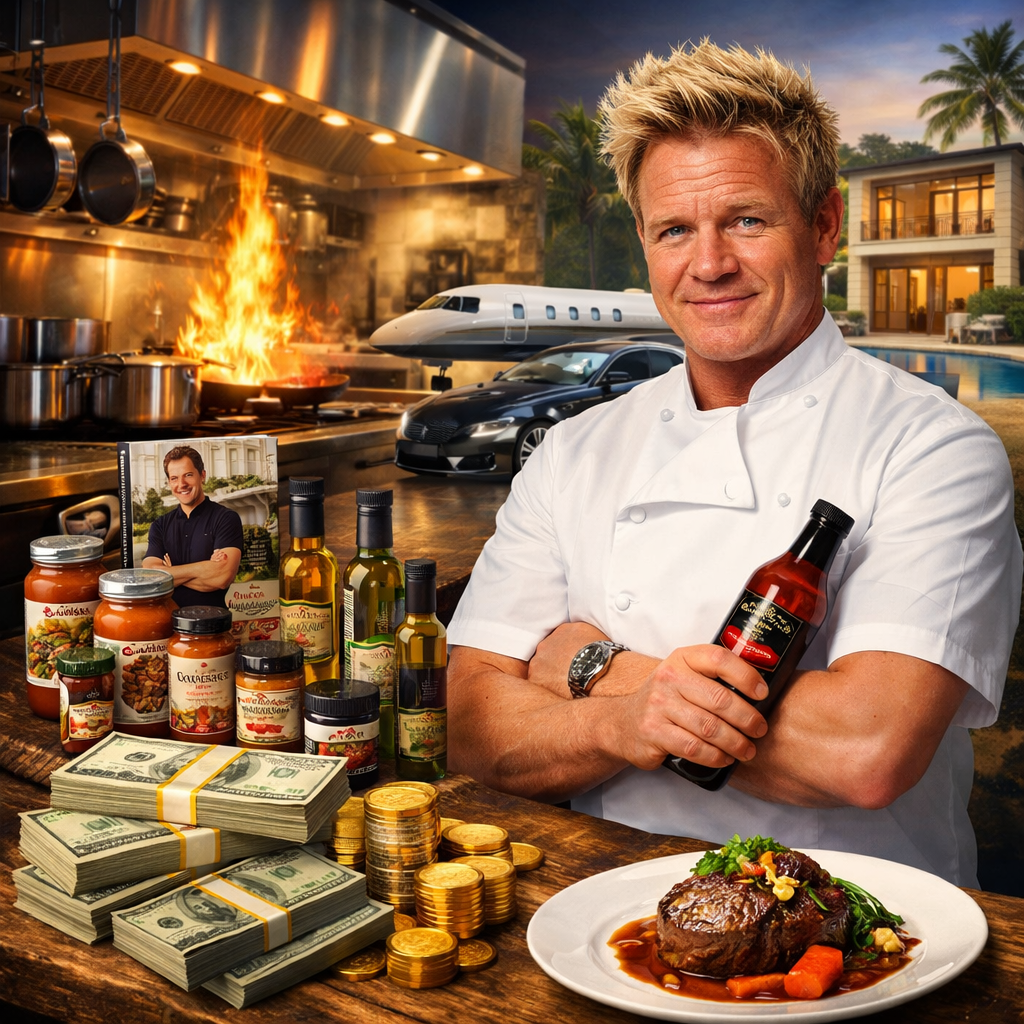
Few culinary figures command the level of global attention and financial backing that Gordon Ramsay does. From multi-Michelin-starred destination dining and casual international eateries to streaming masterclasses and prime-time television, his empire spans every corner of the food industry. Yet, with high price tags attached to almost everything bearing his name, diners and fans often wonder: why audiences keep paying for Gordon Ramsay—is it worth it?

To answer this question fairly, we have to look past the reality television shouting matches and examine the actual economics, product quality, and experiential value delivered across his vast portfolio.
The Multi-Platform Ramsay Ecosystem
Gordon Ramsay’s business model relies on vertical integration. He doesn't just cook; he entertains, educates, and feeds. Understanding why consumers continuously open their wallets requires breaking down the three main pillars of his brand: television, digital education, and physical dining.
Television and Streaming Spectacle
Ramsay has been a staple of English-language television for over two decades. Shows like Hell’s Kitchen, MasterChef, and Kitchen Nightmares generate billions of impressions worldwide. While viewers don't pay a direct ticket fee for cable TV, they pay with their attention, subscription fees, and streaming data.
The appeal here is psychological. Audiences are paying for high-stakes drama wrapped in genuine culinary expertise. Unlike scripted dramas, Ramsay’s shows offer real stakes—broken dreams, intense pressure, and dramatic transformations. The entertainment value is consistent, which keeps viewers returning season after season.
Digital Learning: MasterClass and Beyond
When Ramsay launched his online cooking courses, skeptics questioned whether a digital video could replace a culinary school education. However, thousands of subscribers paid for annual platform memberships largely to access his modules.
- Accessibility: Home cooks gain direct access to professional techniques without relocating or paying thousands in tuition.
- Pacing: Users can rewatch complex knife skills, sauce emulsions, and roasting techniques indefinitely.
- Entertainment Value: Ramsay’s teaching style remains energetic, blunt, and motivating.
Dining at a Gordon Ramsay Restaurant
The ultimate test of the brand happens on the plate. Ramsay’s restaurant group spans casual spots like Gordon Ramsay Burger to ultra-luxury flagships like Restaurant Gordon Ramsay in London, which has held three Michelin stars for over two decades.
Fine Dining vs. Casual Concepts
At the top tier, a tasting menu at his flagship Chelsea restaurant can easily exceed $300 per person before wine pairings. Diners here are not just buying food; they are purchasing history, immaculate service, and world-class technique. The execution is precise, innovative, and deeply rooted in classic French methodology.
On the other hand, casual concepts like Gordon Ramsay Fish & Chips or his burger joints target a broader demographic with lower price points. These venues rely heavily on the halo effect of his celebrity status. While a gourmet burger cannot match a three-star tasting menu, it offers an accessible entry point for fans who want a tangible taste of the brand.
Is It Actually Worth Your Money?
Value is subjective, but we can evaluate Ramsay’s offerings based on quality, consistency, and market alternatives.
- For Entertainment: Absolutely worth it. Whether through free-to-air television or streaming, the production value and pacing consistently deliver engagement.
- For Education: High value for beginners and intermediate cooks. While free YouTube videos exist, Ramsay’s structured approach saves time and builds foundational confidence.
- For Fine Dining: Worth it for special occasions. The flagship London location delivers a masterclass in modern European gastronomy that justifies its pedigree.
- For Casual Dining: Mixed value. While the food is generally well-executed, you are undeniably paying a premium for the celebrity branding attached to items like fish and chips or casual burgers.
The Bottom Line
Gordon Ramsay’s enduring success is not an accident of aggressive marketing; it is built on a foundation of genuine culinary rigor. While certain casual eateries leverage his name to command higher prices for simple comfort food, his educational tools and fine dining flagships deliver substance behind the celebrity shine. For those who choose wisely based on what they want—entertainment, education, or an unforgettable meal—the investment in the Gordon Ramsay brand remains overwhelmingly worthwhile.