Why Did Michael Myers Kill? The Psychology of Evil
Introduction to Haddonfield's Boogeyman

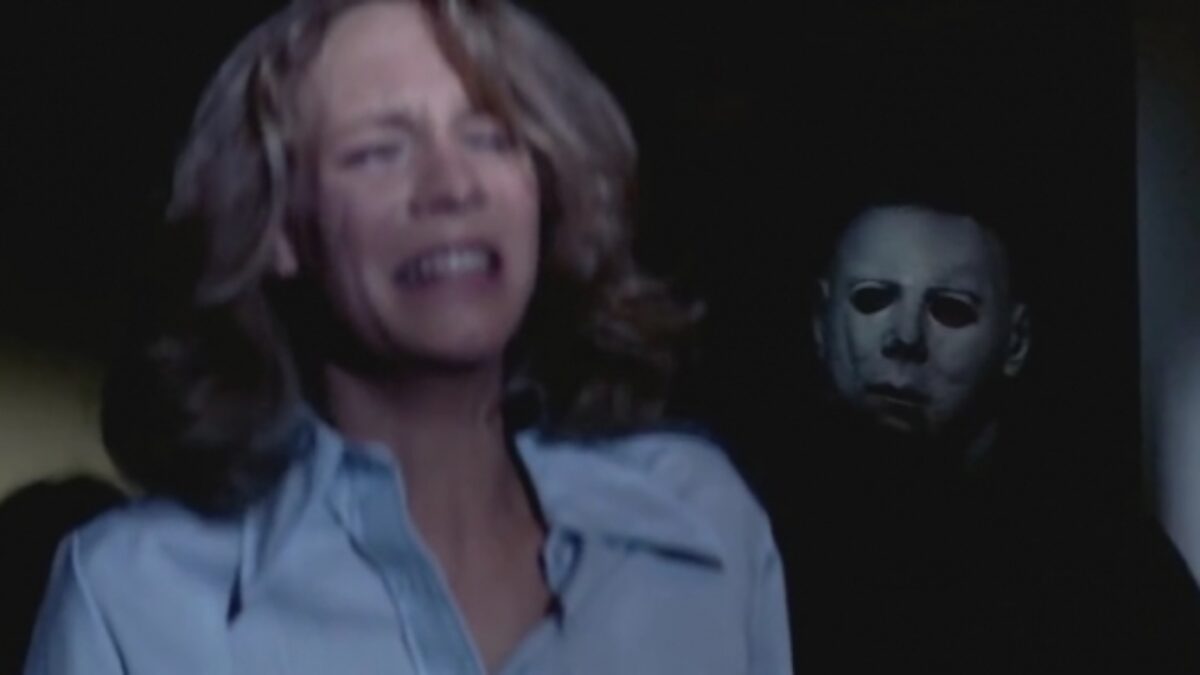
Few movie monsters have terrified audiences as long or as effectively as Michael Myers. First introduced in John Carpenter's 1978 masterpiece Halloween, the silent killer in the white mask stalks the streets of Haddonfield, Illinois, leaving a trail of bodies in his wake. Yet, unlike many cinematic serial killers who have elaborate backstories, financial motives, or twisted personal vendettas, Michael simply kills. This lack of a clear, rational motivation has baffled fans for decades, leading to countless debates about why did Michael Myers kill.
To truly understand the Shape, we have to look past simple bloodlust. Over the course of multiple film timelines, sequels, and reboots, creators have offered various explanations ranging from ancient Celtic curses to the pure absence of a soul. Let us break down the psychological, supernatural, and thematic reasons behind Michael Myers' murder sprees.
The Psychological and Supernatural Explanations
When trying to answer why did Michael Myers kill, film historians and fictional psychiatrists alike have tried to diagnose the killer. However, the franchise itself often shifts the goalposts between clinical detachment and supernatural evil.
Dr. Sam Loomis and the Pure Evil Theory
Throughout the original film series, Michael's psychiatrist, Dr. Sam Loomis, offers the most famous assessment of his patient. Loomis describes Michael not as a man, but as a force of nature. In a famous monologue, Loomis states that he spent eight years trying to reach Michael, and then another seven years trying to keep him locked away because he realized what was living behind that boy's eyes was 'pure and simple evil.'
Loomis maintains that Michael has no conscience, no understanding of pity or remorse, and no connection to human decency. In this psychological framework, Michael kills because cruelty and destruction are his default states of being. There is no trigger event other than the awakening of an innate, inexplicable malice.
The Curse of Thorn and Supernatural Lore
In Halloween 6: The Curse of Michael Myers, the franchise attempts to give a concrete, supernatural reason for the bloodshed. This timeline introduces the Cult of Thorn, an ancient Druidic cult that places a curse on a child in every tribe. This curse forces the afflicted individual to sacrifice their entire family on All Hallows' Eve to spare the rest of the community from plague and misfortune.
Under this specific lore, Michael kills his sister Judith and attempts to slaughter the rest of his bloodline because he is compelled by a demonic rune. While many fans and even John Carpenter himself disliked this explanation—preferring the mystery of ordinary, inexplicable evil—it remains an official piece of franchise canon for a specific era of sequels.
The Evolution of Motive Across Franchises
The Halloween franchise has been rebooted and retconned several times, altering Michael's relationship with his victims and changing why he kills.
- The Original Continuity (1978–1981): Michael kills his teenage sister Judith for no apparent reason on Halloween night. Ten years later, he escapes to hunt down Laurie Strode. Sequels later revealed that Laurie is actually his younger sister, introducing a familial motive.
- Rob Zombie's Remake (2007): Zombie takes a distinctly environmental approach. He portrays Michael as a severely abused child from a dysfunctional, impoverished home. While this humanizes Michael, Zombie still insists that the boy was born broken, emphasizing nature over nurture.
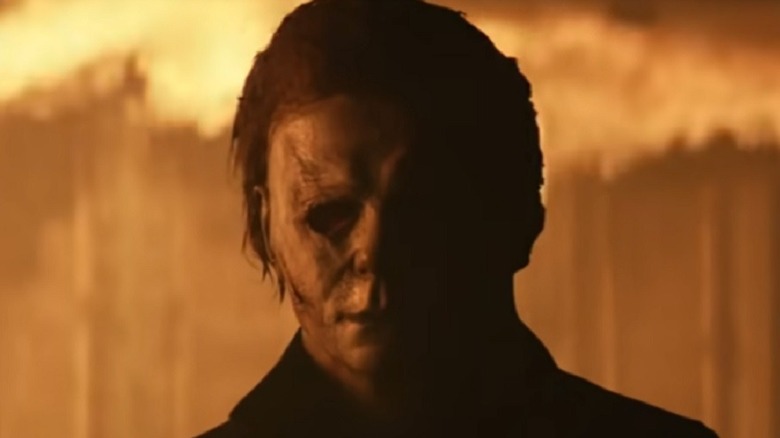
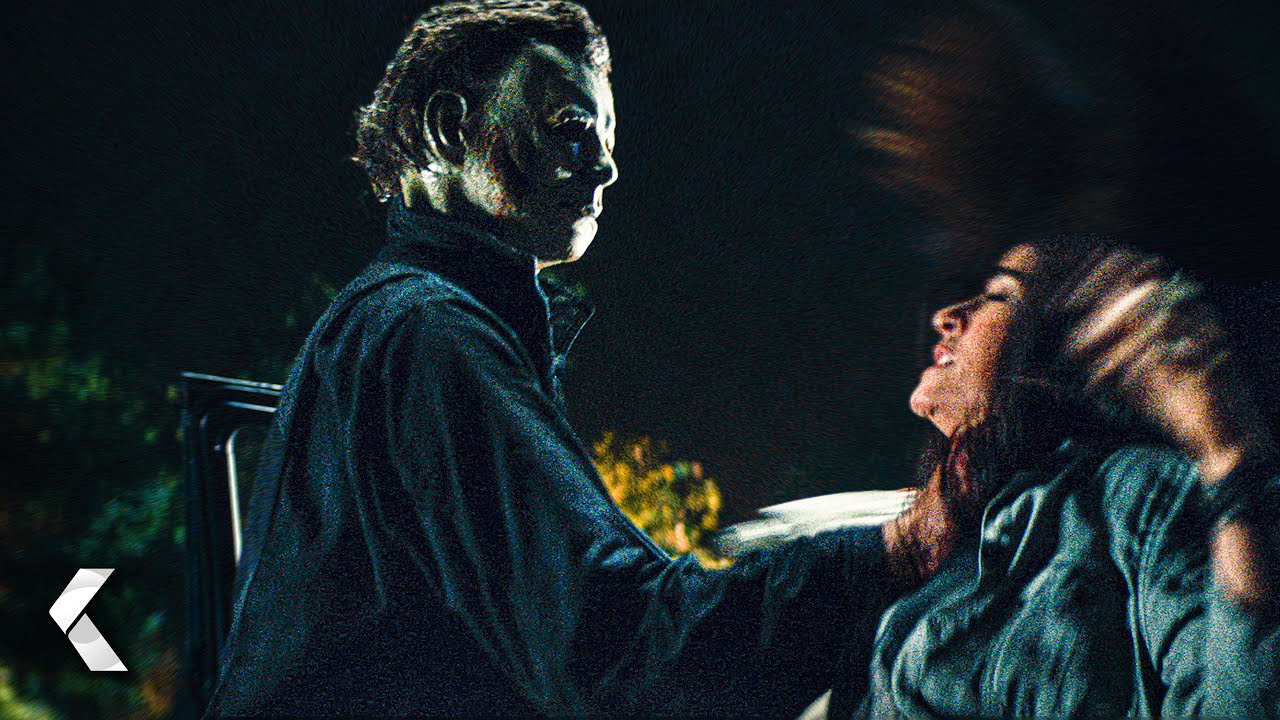
- The Blumhouse Trilogy (2018–2022): David Gordon Green’s trilogy wiped away the sibling connection between Michael and Laurie Strode. In this timeline, Michael has no personal vendetta against Laurie at all. He is simply an old, methodical killer driven by an insatiable urge to slaughter anyone who crosses his path.
Thematic Reasons: Why Michael Matters to Us
Beyond the in-universe lore, we can analyze why did Michael Myers kill from a storytelling and thematic perspective. John Carpenter did not create Michael to be a relatable anti-hero; he created him to represent the intrusion of chaos into orderly suburban life.
The Randomness of Horror
Real life is full of random tragedies. A person can be walking down the street and have their life ended in an instant by forces completely outside of their control. Michael Myers embodies this terrifying randomness. He does not kill because someone insulted him, cheated him, or owed him money. He kills because you happened to be looking out your window, or because your car broke down outside the old Myers house.
This lack of rhyme or reason makes him terrifying. You cannot reason with him, negotiate with him, or apologize to him. You can only run.
Conclusion
So, why did Michael Myers kill? The answer depends entirely on which version of the story you are watching. Whether he is a victim of an ancient Celtic curse, a deeply disturbed child shaped by trauma, or the literal incarnation of evil walking the earth, his actions are defined by their chilling lack of conventional human motive.
Ultimately, Michael Myers kills because he is the Boogeyman. And as Dr. Loomis warned us all, you simply cannot kill the Boogeyman.