Why Disney’s Net Income Is Beyond Fireworks
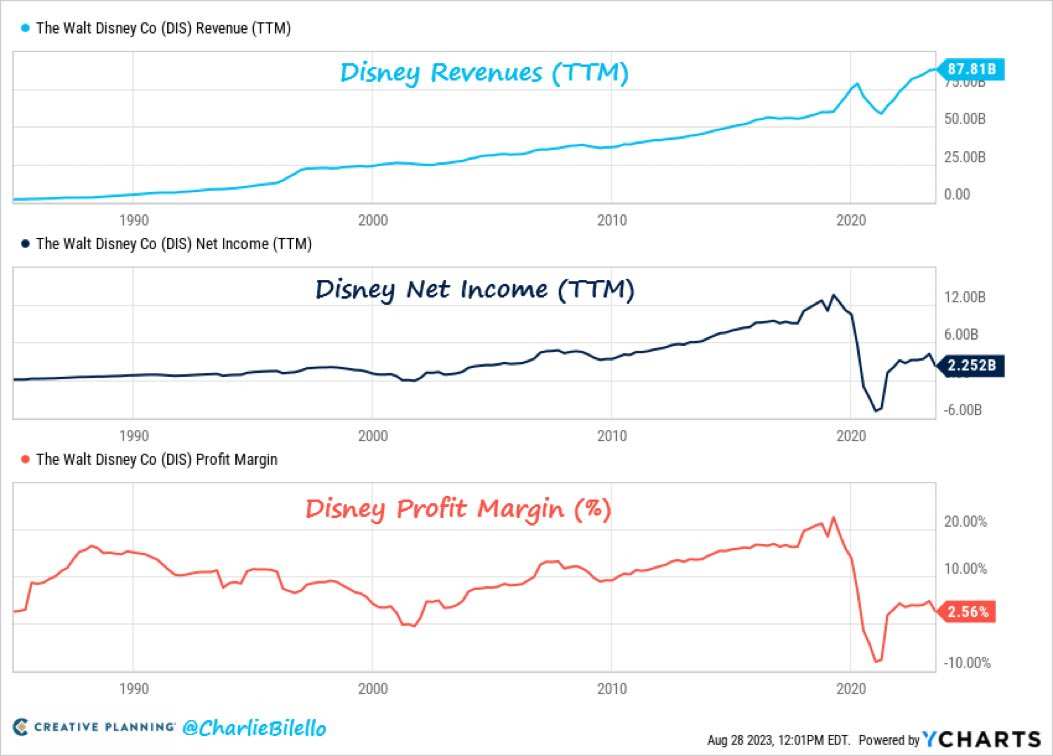
When casual observers think of The Walt Disney Company, they picture iconic castle projections, dazzling evening firework displays, and blockbuster cinematic premieres. For decades, these sensory spectacles were synonymous with the brand's financial health. However, a deeper dive into recent quarterly reports reveals that Why Disney’s Net Income Is Beyond Fireworks—What’s Really Driving the Growth? is a question rooted in a profound corporate evolution.

Today, the Mouse House is driven by a complex engine of digital streaming, strategic pricing models, and massive cruise line expansion. While the fireworks still draw the crowds, the underlying balance sheet tells a story of modern corporate restructuring, disciplined cost-cutting, and high-margin diversification.
The Streaming Turnaround: From Cash Burn to Profit Engine
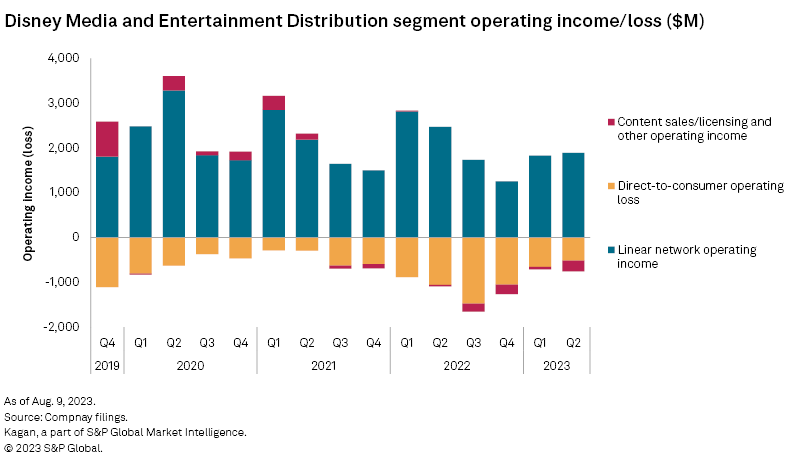
For several years, Wall Street punished Disney for its aggressive pivot into the streaming wars. Launching Disney+ required billions in upfront capital expenditure, resulting in steep operating losses that overshadowed traditional broadcast revenues. Analysts frequently questioned whether direct-to-consumer (DTC) streaming could ever match the lucrative profit margins of traditional cable television.
The narrative has since shifted dramatically. Disney’s streaming segment—encompassing Disney+, Hulu, and ESPN+—has crossed a critical threshold into sustainable profitability. Several key operational shifts enabled this turnaround:
- Strategic Price Increases: Disney successfully raised subscription fees across its ecosystem without experiencing catastrophic churn, proving the inelastic demand for its core intellectual property.
- Ad-Tier Integration: The rollout of ad-supported subscription tiers opened up lucrative digital advertising revenue streams, capturing high-paying brand budgets.
- Content Rationalization: Rather than greenlighting endless content for the sake of volume, the company focused on curated, high-impact franchises like Marvel, Star Wars, and Pixar.
This disciplined approach turned an expensive corporate liability into a primary driver of modern net income growth.
Experiences, Parks, and Cruises: High-Margin Magic
While streaming captured headlines, the Experiences segment—comprising theme parks, resorts, consumer products, and the Disney Cruise Line—remained the company's financial bedrock. Yet, even within this division, the strategy underwent a quiet revolution. Instead of focusing solely on raw attendance metrics, Disney pivoted toward yield management.
Maximizing Per-Capita Spending
Through data-driven pricing strategies, reservation systems, and paid fast-pass alternatives like Lightning Lane, Disney successfully increased the average spend per guest. This strategy allows the company to manage crowd congestion while simultaneously boosting operating income.
Global Cruise Line Expansion

The Disney Cruise Line represents one of the most reliable high-margin growth vectors in the portfolio. With multiple new ships entering service over the coming years—and expanding homeports globally—this capital-intensive division boasts exceptionally high customer satisfaction scores and repeat booking rates, insulating Disney from purely domestic economic downturns.
The Legacy Media Headwind and Box Office Rebound
To fully understand Disney's net income, one must also look at what is shrinking. The traditional linear television business—cable networks like ESPN, Disney Channel, and FX—continues to face secular decline as cord-cutting accelerates. For years, this was a massive drag on overall corporate earnings.
However, Disney has managed this decline by aggressively trimming overhead, negotiating smarter distribution deals, and preparing for the eventual full migration of ESPN to a standalone flagship streaming platform. Meanwhile, the theatrical film slate has shown signs of stabilization. After a bumpy post-pandemic recovery period featuring several high-profile box office misfires, targeted sequels and crowd-pleasing releases have restored box office reliability, feeding the downstream merchandise and theme park ecosystems.
Capital Allocation and Shareholder Returns
Driving net income is only half the battle; how management allocates that capital dictates long-term shareholder value. Under recent leadership, Disney reinstated its dividend and initiated robust share repurchase programs, signaling strong confidence in future cash flows.
Furthermore, capital expenditures have been re-calibrated. Investments are heavily weighted toward high-return projects—such as park expansions, cruise ships, and technological infrastructure for streaming—while unproductive overhead has been systematically purged through multi-billion-dollar cost-reduction initiatives.
Conclusion: A More Resilient Business Model
The romantic notion of Disney relying purely on box office magic and nightly fireworks is a relic of the past. Today's financial reality is far more sophisticated. By successfully transforming its streaming division into a profitable enterprise, weaponizing yield management across its theme parks, and expanding its high-margin cruise offerings, Disney has built a resilient financial foundation.
Ultimately, the fireworks may signal the end of a magical day at the park, but the real drivers of Disney’s net income are disciplined digital execution, global brand loyalty, and smart capital allocation.