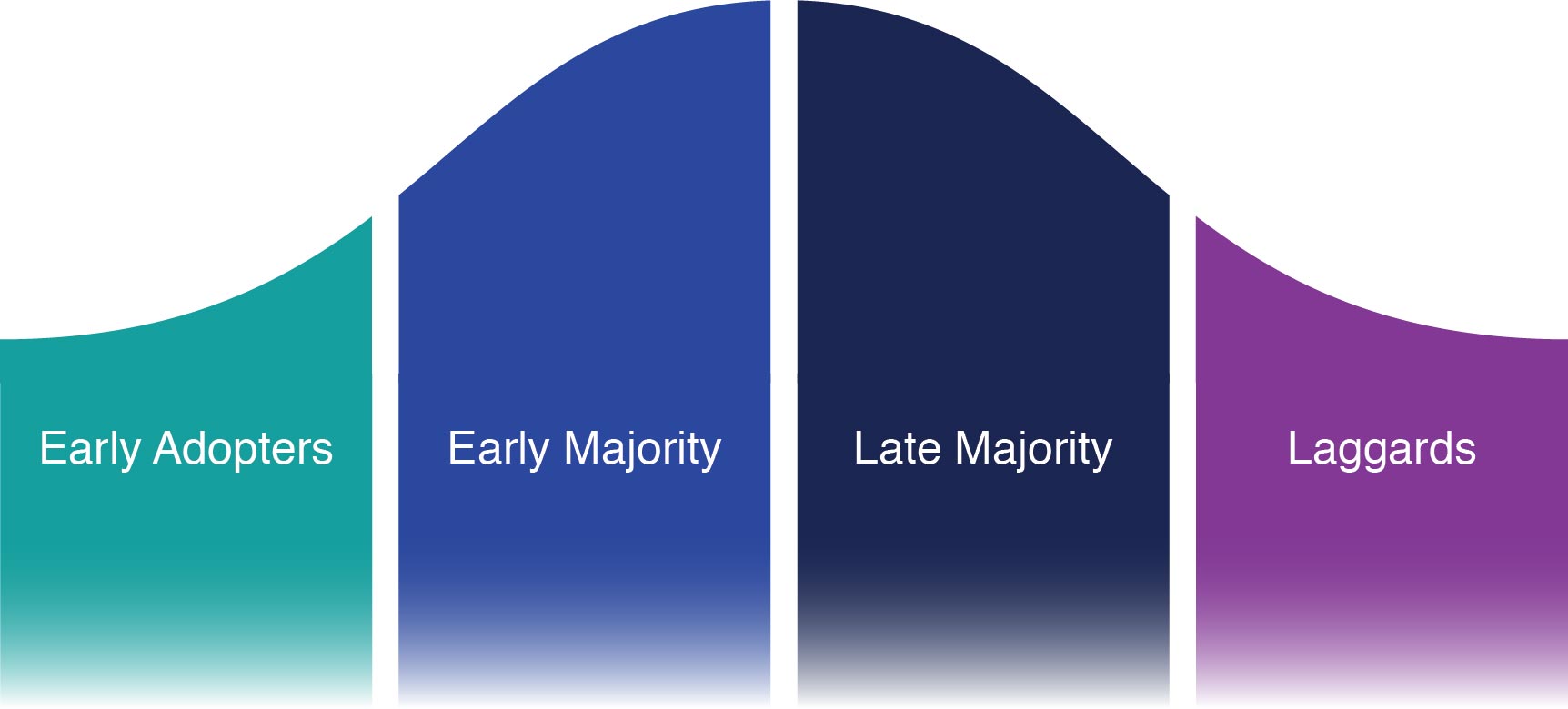
Why Early Fan Bus Adopters Win Influence—Now You Can Too
For years, community leaders and digital creators fought for algorithmic reach on crowded social feeds, but the real power dynamic has quietly shifted back into the physical world. Understanding why early fan bus adopters are winning influence—now you can too requires looking at how shared experiential travel turns passive followers into die-hard advocates. When you put fifty passionate people together on a private charter headed toward a major away game, concert, or tournament, you do not just run a shuttle service—you build a cultural powerhouse.
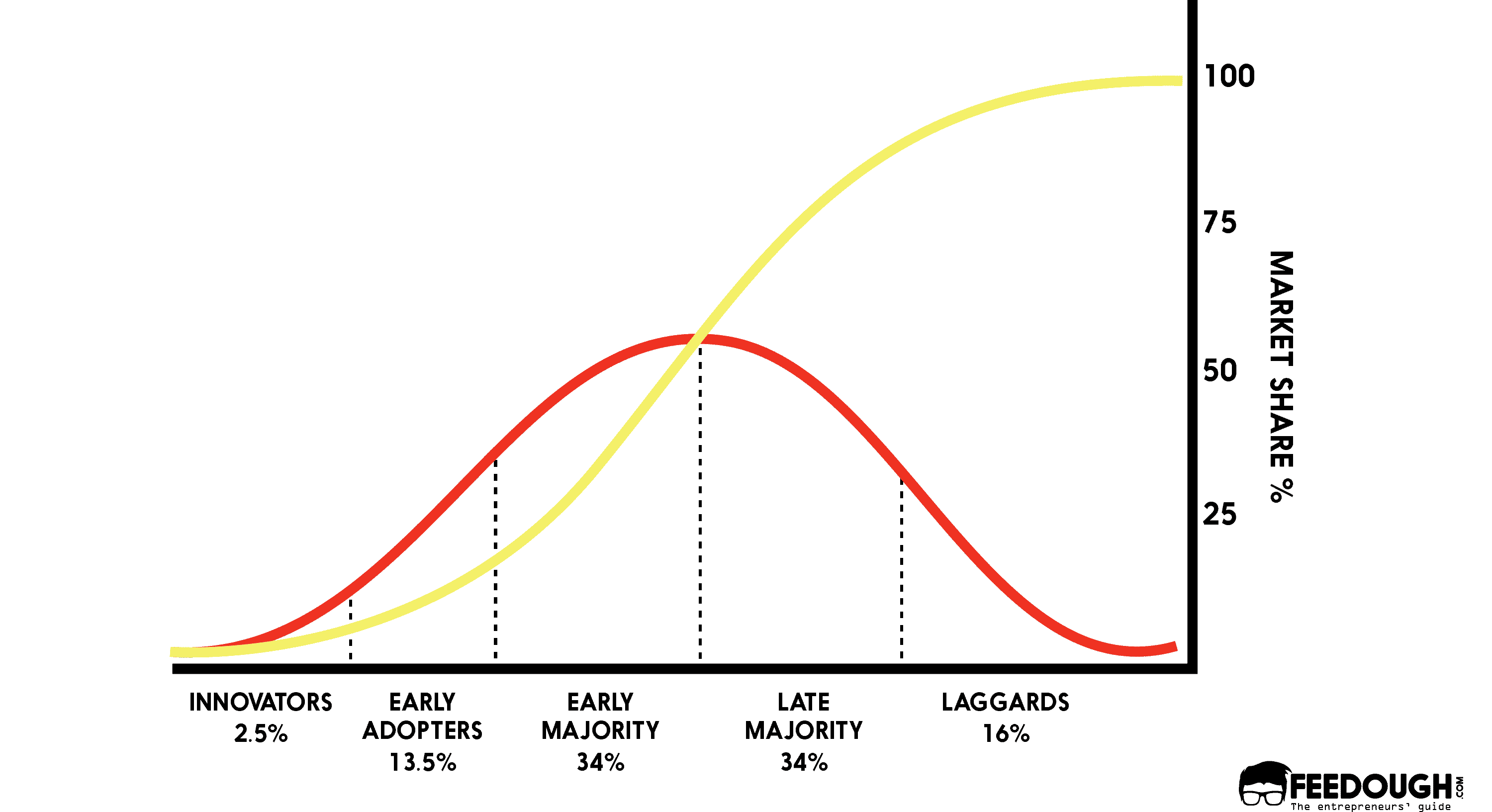
Early organizers who recognized this transition are reaping outsized rewards. They are securing sponsorships from regional brands, earning recognition from professional sports franchises and venue operators, and creating digital content that outperforms static online campaigns. More importantly, they own their audience offline and online, making them virtually immune to social media algorithm changes.
The Evolution of the Fan Bus: From Booster Shuttles to Cultural Hubs
Historically, a "fan bus" was a strictly utilitarian concept. High school booster clubs or local college alumni chapters hired yellow school buses or bare-bones coaches to shuttle supporters to regional playoffs. Comfort was minimal, the programming was nonexistent, and the experience ended the moment the bus pulled back into the parking lot.
Today, the modern fan bus is an experiential pop-up. It blends the communal atmosphere of an English football supporters' club with the media savvy of a digital creator collective. Modern organizers equip their trips with:
- Curated entertainment: Live podcast recordings, guest commentators, DJ sets, and trivia during transit.
- Exclusive merchandise: Custom scarves, rally towels, and branded apparel issued exclusively to travelers.
- Seamless logistics: Turnkey packages combining transportation, tailgate access, catered food, and game tickets.
- Mobile content creation: Dedicated videographers capturing real-time chants, reactions, and celebration reels for TikTok and Instagram.
4 Reasons Early Fan Bus Adopters Dominate Their Niches
Pioneering organizers have tapped into a set of psychological and commercial levers that traditional online-only creators cannot match. Here is why this model generates such outsized influence.
1. High-Density, Captive Attention
Digital marketers celebrate a 15-second video view or a 2% email click-through rate. A chartered coach, however, guarantees four to eight hours of uninterrupted, face-to-face attention. During this time, travelers forge genuine relationships, adopt collective traditions, and associate the organizer with one of the most memorable days of their year. That level of trust cannot be manufactured through a screen.
2. Organic, High-Performing Content
Short-form video platforms prioritize authenticity and high-energy crowd dynamics. A highway convoy, a rest-stop takeover chant, or a coordinated arrival at an opponent's stadium provides natural, viral-ready moments. Instead of staging content, fan bus organizers simply document reality. This authentic visual proof makes outside viewers ask, "Who organized that, and how do I get on the next one?"
3. Commercial Appeal to Sponsors
Brands are fatigued by generic influencer marketing where engagement is questionable and attribution is murky. A fan bus provides sponsors with a verifiable, hyper-targeted demographic. Local craft breweries provide sponsored drinks; ticketing platforms subsidize charter costs; sportsbooks offer activation bonuses; and merchandise brands provide gear. Because travelers represent an active, spending community, sponsors pay premium rates to participate.
4. Institutional Legitimacy
When an organizer consistently delivers dozens or hundreds of vocal, paying fans to away venues, the institutions take notice. Front offices of sports teams, stadium directors, and event promoters actively seek partnerships with reliable fan bus leaders. Organizers frequently receive discounted bulk ticket blocks, field-level access, official team shoutouts, and priority booking windows—perks that elevate the organizer's status among everyday fans.
Why Early Fan Bus Adopters Are Winning Influence—Now You Can Too
Video: Your Daughter’s Classmates Parents Thought You Were the Bus Driver — You Were, and Worth $1.9Million
The barrier to entry in this space remains surprisingly low because most creators and fan leaders assume the operational hurdles are too steep. In reality, modern charter platforms, digital ticketing tools, and group communication apps make launching a fan bus straightforward. If you want to replicate the success of early adopters, follow this tactical 5-step playbook.
Step 1: Identify a High-Stakes, Low-Friction Away Event
Do not start with an eight-hour cross-country trip. Target a high-stakes away game, derby, or festival located between 90 minutes and three hours away. Look for an event where tickets are accessible but parking and individual transit are notorious headaches. Your primary value proposition is eliminating the logistical friction of attending a marquee event.
Step 2: Dial In the Unit Economics Early
A reliable financial model keeps your operations sustainable without pricing out your core audience. A typical 55-passenger motorcoach costs between $1,200 and $2,200 per day, depending on distance and duration. Calculate your baseline seat cost by assuming you will only fill 80% capacity (44 seats):
- Charter cost: $1,600 / 44 seats = ~$36.50 per seat.
- Group ticket (if bundled): $50 per seat.
- Refreshments & welcome pack: $15 per seat.
- Baseline ticket price: $105 to $115 per person.
Once you hit 45 or 50 passengers, the remaining revenue becomes pure operating margin to fund future events, professional videography, or community equipment.
Step 3: Secure Brand Partners to Lower Ticket Costs
Pitch local and relevant businesses before tickets go on sale. Approach a local sports bar to act as the official departure and return hub; in exchange for bringing 50 thirsty customers before and after the game, ask them to provide breakfast sandwiches or subsidize your digital promo materials. Approach beverage companies for in-transit stock. Brand subsidies allow you to lower consumer ticket prices, accelerating sell-outs while bolstering your industry reputation.
Step 4: Design the Trip as a "Moving Studio"
Influence stems from how effectively you document the experience. Assign one passenger or hire a dedicated freelance creator to shoot vertical video across three key milestones:
- The Departure: Pre-dawn excitement, boarding passes, and unboxing customized swag.
- The Transit: Chants, predictions, guest interviews, and rest-stop camaraderie.
- The Arrival & Match: Marching into the venue as a unified block and celebrating key moments.
Publish recap reels within 12 hours of returning while passenger adrenaline is still running high. This sparks immediate social shares and FOMO (fear of missing out) from those who stayed home.
Step 5: Convert Passengers into a Permanent Community
The single greatest operational mistake is treating a trip as a one-off transaction. Before passengers step off the bus, bring them into an exclusive communication channel—such as a dedicated Discord, WhatsApp community, or SMS list. Offer them first access and discounted presale codes for the next trip. Within two to three excursions, you will have a self-sustaining core of season-long travelers who anchor your entire community structure.
Common Pitfalls to Avoid
While the rewards are significant, mismanaging logistics can quickly derail your credibility. Protect your brand by addressing these operational realities upfront:
- Vetting Charter Operators: Never book strictly on the lowest bid. Confirm the charter company carries at least $5 million in public liability insurance, provides vetted DOT-certified drivers, and operates modern coaches with working climate control and functional restrooms.
- Clear Behavioral Policies: Set explicit expectations regarding alcohol consumption, conduct, and departure times. A single disruptive passenger can ruin the experience for the remaining fifty.
- Contingency Buffers: Always budget an extra 45 to 60 minutes for traffic, security checks, and venue entry. Nothing damages an organizer's reputation faster than arriving after the opening whistle or missing the headlining act.
The Next Frontier of Experiential Influence
As digital platforms grow more saturated and organic reach becomes harder to acquire, true influence will belong to those who can assemble people in the real world. Organizing fan travel bridges the gap between digital content and authentic subculture. By stepping up as the convener of your community's most memorable road trips, you cement your authority, earn reliable revenue, and build a dedicated audience that follows you wherever you travel next.