Why Face Control Leaks Are Hijacking Trust
In an era where our faces unlock phones, board flights, and grant access to secure office buildings, biometric data has become the ultimate digital currency. Yet, this reliance on physical identity markers has opened the door to a modern security crisis. Across the nation, public anxiety is mounting as why face control leaks are hijacking trust across America becomes a central discussion in boardrooms and living rooms alike.

Unlike a stolen password, which can be reset with a few keystrokes, your face is permanent. When biometric systems fail or expose sensitive facial geometry databases, the consequences are irreversible. This vulnerability goes beyond simple identity theft; it strikes at the psychological core of personal safety and institutional reliability.
The Anatomy of Modern Biometric Vulnerabilities
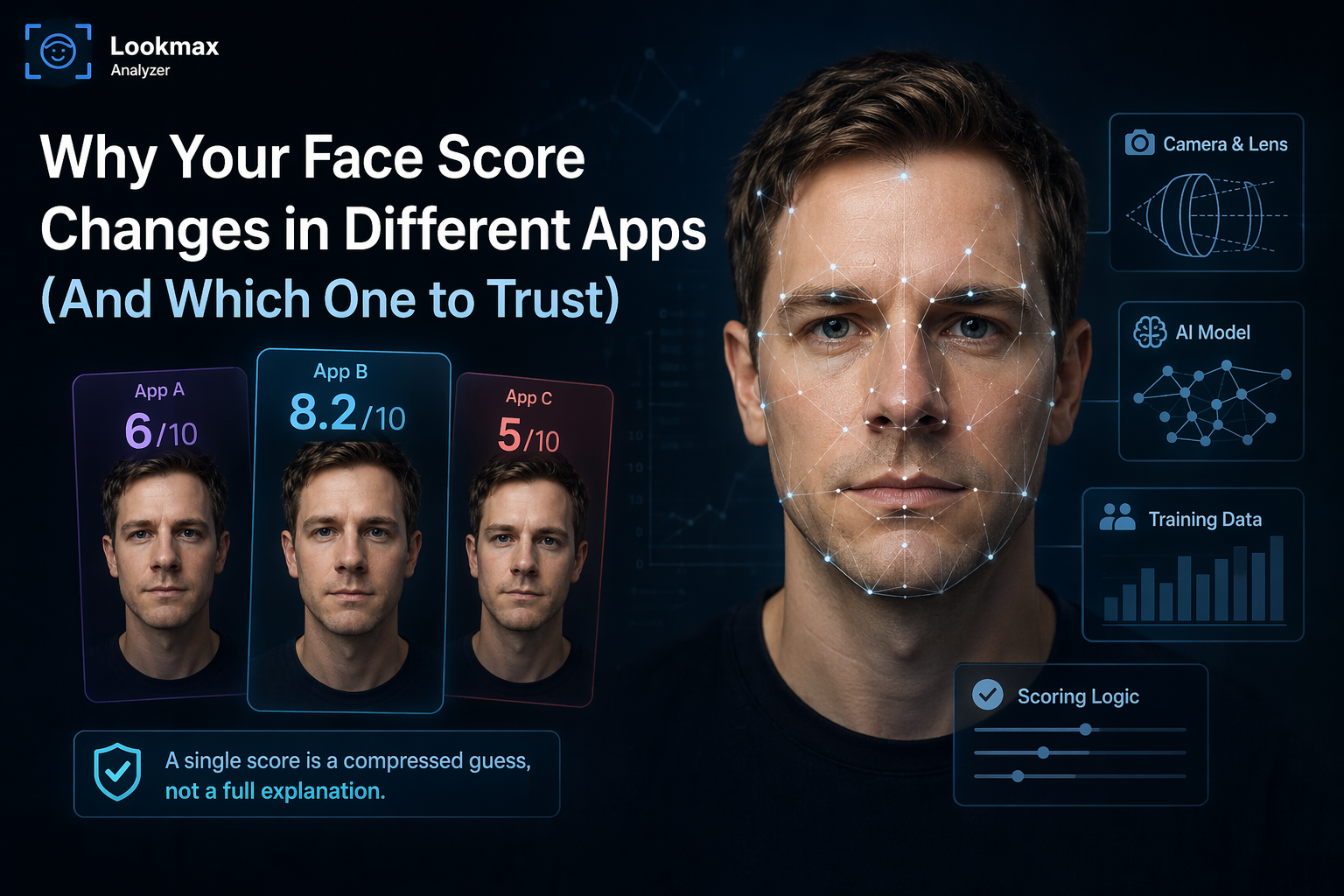
Facial recognition and face control systems rely on complex algorithms that map facial features into mathematical templates, often called faceprints. These systems are deployed everywhere—from retail analytics and law enforcement to residential security and corporate attendance tracking. However, the centralization of this data creates massive honeypots for malicious actors.
When these repositories are compromised, the data does not just sit idly on dark web forums; it is weaponized. Cybercriminals utilize leaked high-resolution images and depth maps to bypass liveness detection checks, spoofing authentication systems designed to protect everything from bank accounts to private residences.
How Data Aggregation Amplifies Risk
The private sector’s appetite for consumer data has led to widespread, often unregulated aggregation of biometric information. Third-party vendors, software developers, and cloud storage providers frequently handle face control data with varying degrees of cybersecurity rigor. Key factors amplifying these risks include:
- Inadequate Encryption: Storing faceprints in plaintext or using outdated hashing algorithms.
- Third-Party Vendor Lags: Subcontractors lacking enterprise-grade security protocols.
- Scope Creep: Collecting facial data for one specific purpose and repurposing or retaining it indefinitely without explicit consent.
The Erosion of Consumer Confidence
Trust is difficult to build and nearly impossible to restore once shattered. When citizens discover that their biometric data—collected under the guise of convenience or safety—has been leaked or mishandled, the societal backlash is swift. This loss of trust manifests in several distinct ways across American society.
Video: 2. Control Hijacking Attacks
Pushback Against Public Surveillance
Municipalities that rushed to implement smart-city surveillance and facial recognition in public spaces are now facing fierce resistance. Communities are questioning the necessity of continuous monitoring, especially when the entities managing the data prove incapable of securing it. Grassroots movements demanding bans on municipal facial recognition are gaining momentum from coast to coast.
Corporate Skepticism and the Right to Privacy
Consumers are increasingly skeptical of businesses requiring facial scans for entry, loyalty programs, or age verification. This skepticism has driven a legal landscape shift. Legislation like the Illinois Biometric Information Privacy Act (BIPA) has set a precedent, empowering citizens to sue companies for reckless biometric data handling. Similar laws are emerging in other states, signaling that businesses can no longer treat facial data as a casual byproduct of digital interaction.
Restoring Integrity to Identity Verification
Addressing the crisis of compromised biometric systems requires a fundamental overhaul of how organizations approach data collection, storage, and accountability. Relying on voluntary guidelines is no longer sufficient to protect the public.
Moving Toward Zero-Trust Biometrics
Organizations must adopt a zero-trust architecture specifically tailored for biometric data. This includes:
- Edge Processing: Performing facial recognition and verification locally on the user's device rather than uploading raw biometric templates to a centralized cloud server.
- Strict Retention Limits: Automatically purging facial templates immediately after authentication is complete.
- Transparency and Consent: Providing clear, unambiguous opt-in mechanisms that explain precisely how facial data is used, stored, and protected.
As technology continues to evolve, the security of our physical identities must keep pace. Until robust federal regulations and bulletproof technical standards are universally enforced, the fear surrounding biometric exposure will continue to linger, fundamentally altering how Americans interact with the digital world.