Why IRS Form 140 Should Be Your Top Priority
Understanding the Importance of IRS Documentation

Dealing with the Internal Revenue Service is rarely described as pleasant. When notices arrive in the mail, panic often sets in, leading many taxpayers to either ignore the problem or tackle the wrong paperwork first. However, successful tax resolution relies entirely on strategy, timing, and using the correct forms. If you are currently facing a complex compliance review, audit, or collection action, understanding why IRS Form 140 should be your top priority is essential for protecting your financial well-being.
Tax laws are notoriously intricate, and minor procedural errors can derail your defense. By prioritizing the correct documentation, you establish a clear record of communication, secure your legal rights, and prevent the IRS from taking aggressive collection actions like levies or liens before you have a chance to present your case.
What Is IRS Form 140 and Who Needs It?
Before diving into strategy, it helps to understand the function of this document within the broader federal tax system. While the IRS utilizes hundreds of different forms for reporting income, claiming credits, and requesting extensions, specific procedural forms govern how disputes and administrative reviews are handled.
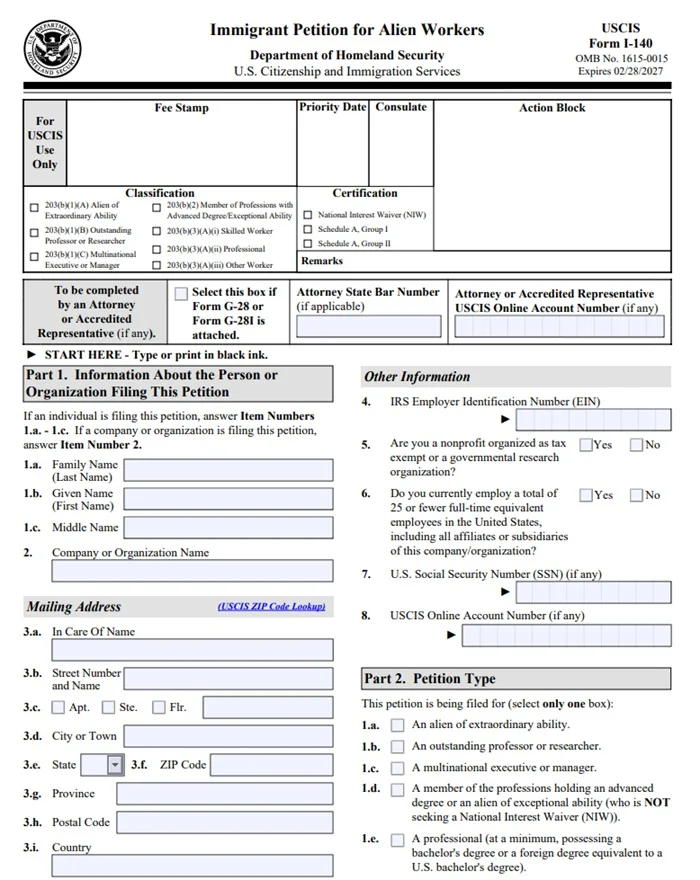
IRS Form 140 is typically utilized in specific administrative contexts where taxpayers must formally request a review, submit updated financial disclosures, or challenge an ongoing compliance assessment. It acts as a formal bridge between the taxpayer and IRS resolution divisions, ensuring that your specific claims, appeals, or hardship requests are officially docketed and assigned for review.
Key Scenarios Involving This Form
- Challenging specific automated adjustments made to your tax account.
- Submitting formal requests for administrative reconsideration.
- Initiating communication channels during complex, multi-year audits.
- Providing updated tracking data for ongoing installment agreements or offers in compromise.
Why IRS Form 140 Should Be Your Top Priority in Tax Disputes
When you are staring down multiple notices from the federal government, triage is necessary. You cannot address every issue simultaneously, so you must focus on the document that halts escalation or triggers the appropriate review process. Here is why this specific form deserves the top spot on your to-do list.
1. It Establishes Timely Action and Compliance
The IRS operates strictly on deadlines. Missing a response window by even a single day can forfeit your right to an appeal, turning a negotiable tax assessment into a binding liability. Prioritizing this form ensures that you meet critical statutory deadlines. By filing or submitting it promptly, you signal to the agency that you are actively engaging with the process, which can temporarily pause aggressive collection procedures while your file is under review.

2. It Prevents Escalation to Forced Collections
Unresolved tax debts naturally progress through a predictable pipeline: warning notices, intent to levy, and finally, asset seizure or wage garnishment. Handling minor information requests while ignoring core procedural documents allows your account to slip deeper into the collection cycle. Addressing the requirements associated with Form 140 interrupts this pipeline, giving you breathing room to negotiate a sustainable resolution.
3. It Streamlines Communication with Tax Officials
Miscommunication is one of the biggest hurdles in tax resolution. Sending unstructured letters or calling the general helpline often leads to conflicting advice from different IRS representatives. Using the precise framework mandated by this form ensures that your information goes directly to the appropriate department, reducing processing delays and minimizing the risk of lost paperwork.
Step-by-Step Guide to Filing and Processing
Execution matters just as much as prioritization. To ensure your submission is accepted and processed without unnecessary delays, follow a disciplined approach.
- Review the Notice: Check the specific instructions on your IRS notice to confirm that this form is the exact document required for your current situation.
- Gather Supporting Financials: Compile all necessary backup documents, such as income statements, bank records, and expense receipts, to substantiate the information you provide.
- Complete Accurately: Fill out every required field completely. Inaccurate or missing Social Security numbers, addresses, or account IDs will result in immediate rejection.
- Submit via Certified Mail or Secure Portal: Always use a traceable delivery method. Certified mail with a return receipt provides undeniable proof of timely filing, which is crucial if the IRS later claims they never received your response.
Common Mistakes to Avoid
Even with the best intentions, taxpayers frequently make avoidable errors when dealing with IRS paperwork. Keep these pitfalls in mind:
- Missing Deadlines: Never wait until the final day of the response window. Delays in mail delivery or gathering documents can cause you to default.
- Incomplete Data: Submitting a partially filled form forces the IRS to toss your application back, eating up valuable time.
- Failing to Keep Copies: Always retain a complete, physical and digital copy of everything you send to the government for your personal records.
Conclusion
Navigating federal tax issues requires patience, precision, and strategic prioritization. While every notice demands attention, failing to address core administrative requirements can leave you vulnerable to severe financial penalties and forced collections. By recognizing why IRS Form 140 should be your top priority, you take control of your financial defense, meet critical deadlines, and set the stage for a successful resolution with the IRS.