Why Is Final Destination 5 Rated R? Content Breakdown
When horror fans sit down to watch a movie in this iconic franchise, they generally know what to expect: elaborate setups, mounting dread, and physics-defying demises. Yet, parents, casual viewers, and franchise newcomers often ask: why is Final Destination 5 rated R? After all, the series relies heavily on suspense, dark humor, and invisible forces rather than supernatural monsters or masked slashers.

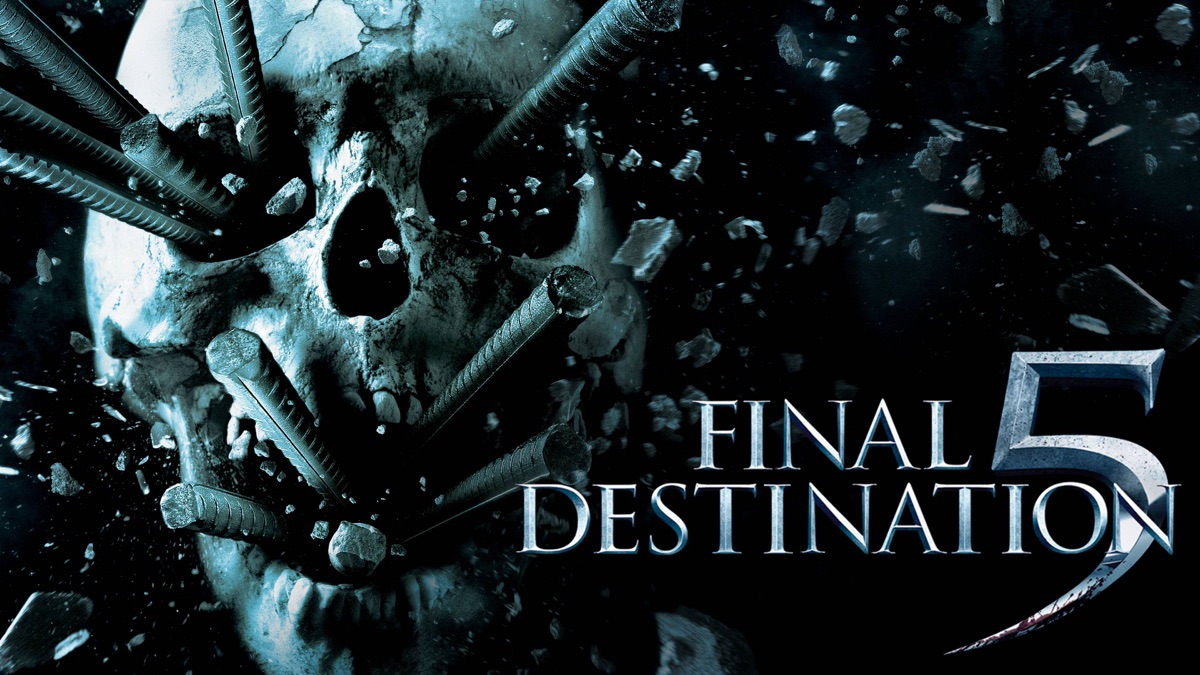
The official Motion Picture Association (MPA) rating for Final Destination 5 (2011) is R. The assigned rationale states that the film contains "strong violent/grisly accidents, some language, and thematic elements." To truly understand this classification, we have to look past the rating code and examine the specific scenes that pushed the fifth installment into restricted territory.
Why Is Final Destination 5 Rated R? The Official MPA Breakdown
The MPA evaluates films based on language, violence, drug use, and nudity. For the horror genre, the violence and gore categories carry the heaviest weight. In 2011, the MPA board slapped Final Destination 5 with an R rating primarily due to the uncompromising, highly graphic nature of its premonition disaster and subsequent character deaths.
Unlike PG-13 thrillers that keep blood to a minimum and hide the camera during impact, this franchise makes the gore a central selling point. The filmmakers deliberately pushed the envelope in 3D, ensuring that every flying object, piercing instrument, and splintering bone felt visceral to the audience.
Graphic Gore and Visceral Accident Sequences
The core identity of the Final Destination series is the R-rated death sequence. Part 5 delivers some of the most wince-inducing set pieces in the entire franchise. The violence is not cartoonish; instead, it dwells on realistic, everyday objects transformed into instruments of torture.
Key elements contributing to the R rating include:
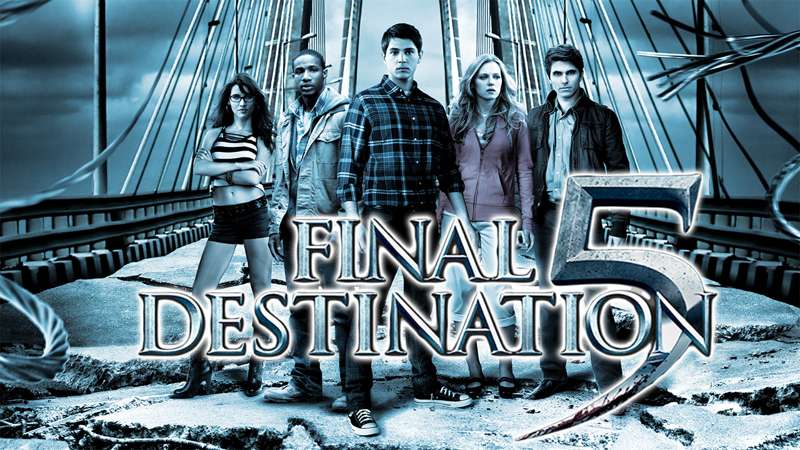
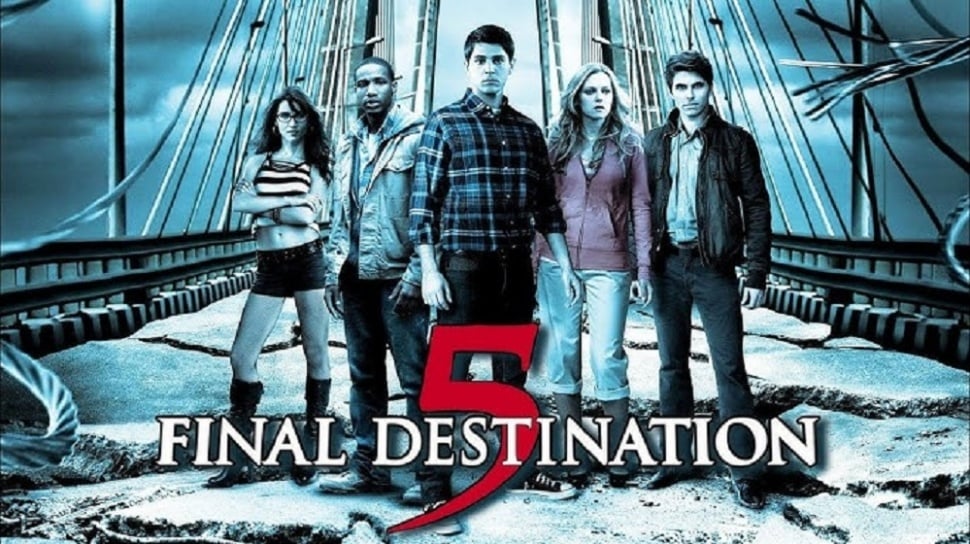
- The Suspension Bridge Collapse: The opening set piece features a massive structural failure. Viewers witness characters getting sliced by cables, crushed by falling concrete, and dropped from hundreds of feet in explicit detail.
- Gymnastics Accident: One of the most infamous scenes involves a gymnast whose routine goes disastrously wrong. The camera does not shy away from the horrific aftermath of a major compound fracture and subsequent blunt force trauma.
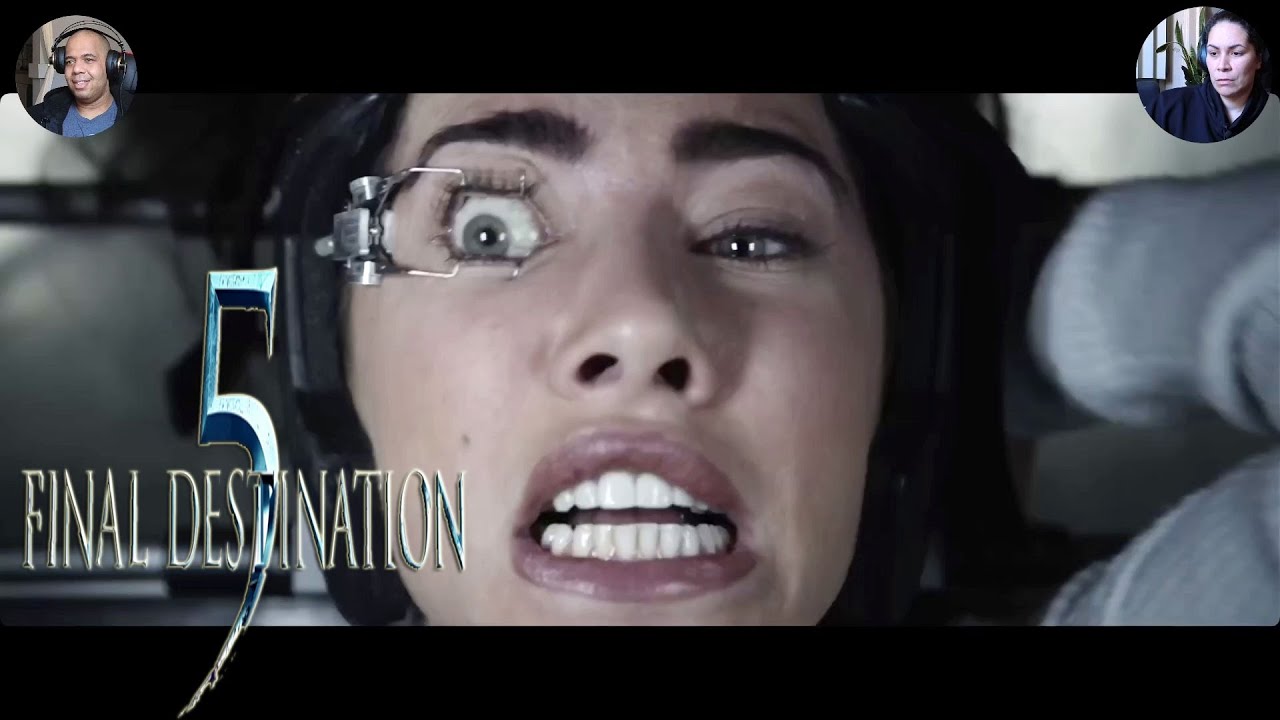
- The Laser Eye Surgery: A routine medical procedure turns into a slow-burn nightmare involving stray laser beams, dropped instruments, and flying glass, playing heavily on audience anxieties about bodily violation.
- The Industrial Meat Slicer and Wrenches: Later kills involve heavy industrial equipment, resulting in graphic impalements and dismemberment that leave very little to the imagination.
Intense Suspense and Psychological Dread
Beyond the physical blood and gore, the MPA considers the psychological toll of a movie. Final Destination 5 maintains a relentless baseline of anxiety. Characters live in a state of paranoia, knowing that death is actively hunting them and can strike at any microsecond through ordinary things like a massage table, a wrench, or a faulty ceiling fan.
Video: FIRASAT DAN PENGLIHATAN TIDAK AKAN PERNAH BISA MENGHENTIKAN TAKDIR KEMATIAN❗SEMUA BERMULA DARI SINI
This sustained atmosphere of impending doom, paired with hopeless existential terror, fits squarely into the traditional R-rated horror mold. Younger audiences might find the psychological weight—watching characters mentally crack under the pressure of inevitable mortality—disturbing.
Profanity and Language
While violence is the primary driver, strong language also plays a minor role in the R rating. Throughout the film, characters use profanity naturally to express their panic, anger, and utter disbelief. You will hear multiple uses of severe profanity, including the "F-word," during high-stress situations. While this language alone might only warrant a PG-13 rating in a different context, combined with the extreme violence, it easily tips the scale toward an R.
How It Compares to Other Movies in the Franchise
Every single installment in the Final Destination franchise has received an R rating from the MPA. From the original 2000 film up through the later sequels, the studio has never attempted to tone down the violence for a broader PG-13 audience.
The creators understand that the core fanbase tunes in specifically for the creative, over-the-top, R-rated kills. Watering down the content would betray the expectations of the audience. Final Destination 5 actually leans even harder into practical gore effects and 3D-oriented kills than some of its immediate predecessors, making its R rating entirely justified and expected.
Is Final Destination 5 Appropriate for Teens?
Given that teenagers make up a large portion of the horror demographic, many parents wonder if an R rating means the movie is entirely off-limits. The R rating strictly means that anyone under 17 requires an accompanying parent or adult guardian.
If you are deciding whether a mature teenager can handle Final Destination 5, consider the following:
- Tolerance for Gore: If the viewer gets squeamish at the sight of broken bones, deep lacerations, or severed body parts, this film will be too intense.
- Desensitization to Horror: Fans of modern horror, slasher films, or torture-porn subgenres will likely find the kills entertaining rather than genuinely upsetting.
- Dark Humor: Much of the franchise's violence is so absurdly R-rated and Rube Goldberg-esque that older teens often laugh at the sheer ridiculousness of the setups rather than being traumatized.
Ultimately, Final Destination 5 earned its R rating honestly through a combination of relentless, graphic accidental deaths, intense psychological terror, and coarse language. It remains a quintessential entry in modern horror cinema, tailored specifically for audiences with a strong stomach for cinematic carnage.