Why Is My Stanley Cup Sweating? Causes & Fixes
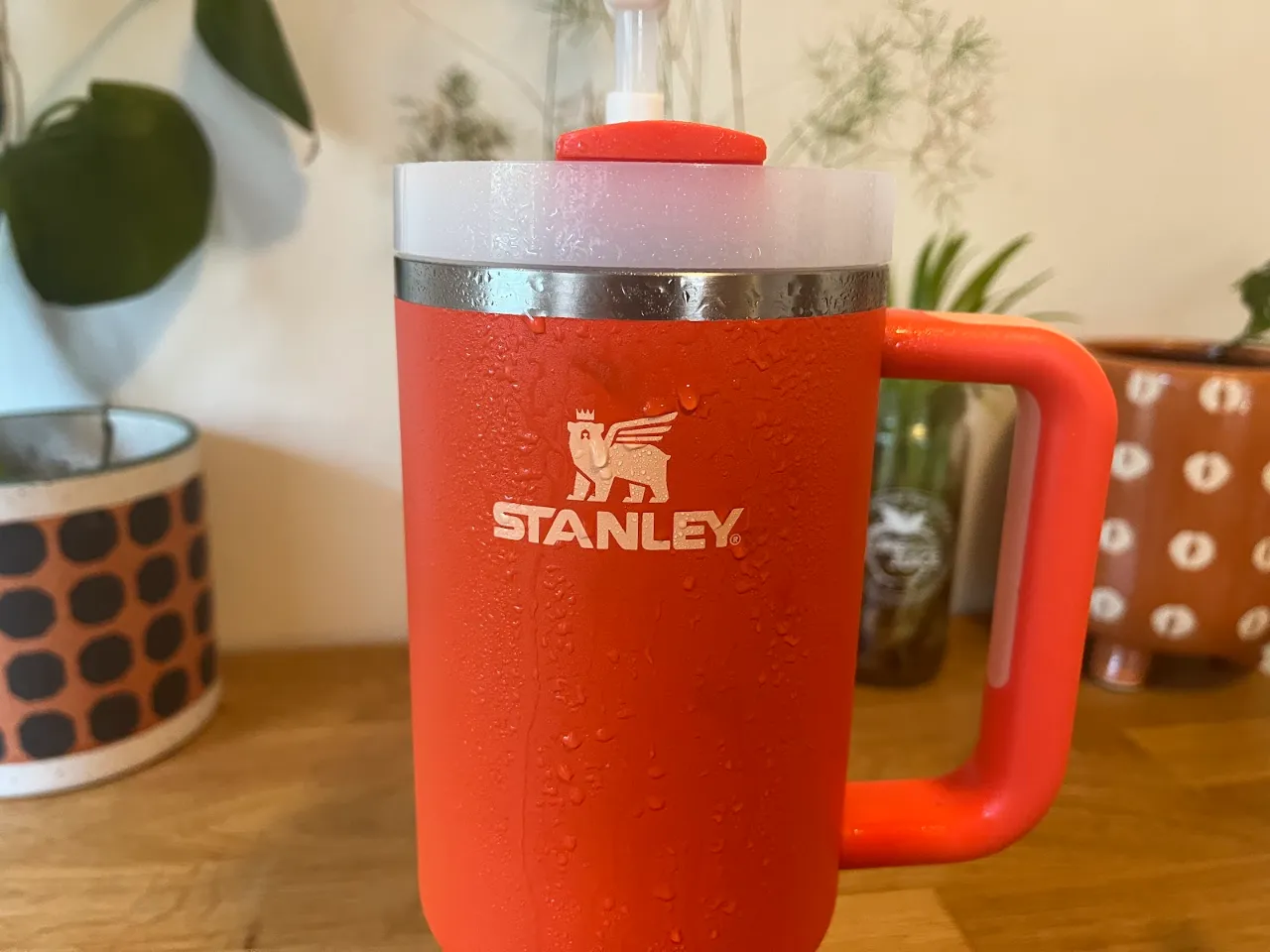
Stanley cups have taken over daily hydration routines everywhere, prized for their massive capacity, sturdy handles, and incredible ability to keep ice frozen for hours. However, picking up your favorite tumbler only to find a puddle on your desk can be alarming. If you are currently asking yourself, why is my Stanley cup sweating, you are not alone. While these cups are engineered with double-wall vacuum insulation to prevent exterior moisture, condensation can still happen under specific conditions.

In this guide, we will break down the exact reasons your Stanley Quencher or travel mug might be forming water droplets on the outside, how to tell the difference between normal humidity and a defective cup, and what you can do about it.
Understanding Stanley Cup Insulation
To understand why exterior moisture occurs, it helps to understand how your cup is built. Stanley tumblers use double-wall vacuum insulation. This means there is an inner stainless steel wall and an outer stainless steel wall, with the air completely sucked out from the space between them.
Because heat requires a medium (like air or molecules) to travel through, a true vacuum prevents heat transfer. This is why ice stays solid inside your cup for up to two days without letting the coldness escape to the outer shell. When everything is working properly, the outside of a Stanley cup should remain at room temperature, completely dry and free of condensation.
Top Reasons Why Is My Stanley Cup Sweating
If your cup feels cold to the touch or is actively dripping water, something has disrupted the thermal barrier. Here are the most common culprits behind a sweating Stanley cup.
1. A Failed Vacuum Seal
The most frequent mechanical reason for a sweating tumbler is a broken vacuum seal. Over time, manufacturing defects, material fatigue, or heavy physical impact can compromise the seal at the base of the cup where the air was originally evacuated.
When the vacuum seal breaks, air rushes into the cavity between the inner and outer walls. Once air fills that gap, heat transfers freely from the outside room to your ice-cold beverage. The outer wall of the cup becomes chilled, cools the surrounding air, and causes moisture to condense on the surface—just like a cheap, single-wall plastic cup.
2. Extreme Ambient Humidity
Sometimes, the cup itself is functioning perfectly, but the environment is working against it. If you are sitting outside on a hot, muggy summer day, or sitting indoors in a room with very high humidity, microscopic amounts of moisture in the air can settle on cold surfaces.
Even though the outer wall of a Stanley cup stays relatively warm compared to the ice inside, extreme dew points can cause a very light film of moisture to form on the exterior. However, this is usually a light mist rather than heavy dripping.
3. Condensation Dripping from the Lid
Video: Why are Stanley Cups being recalled? #shorts

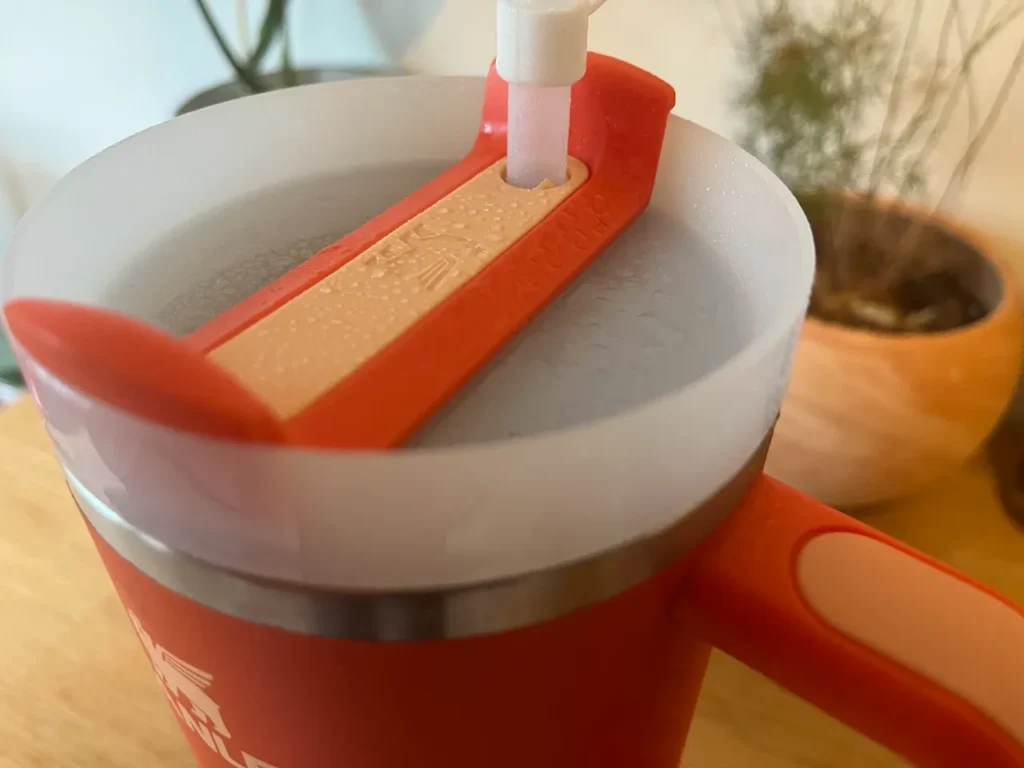
Often, users mistake condensation on the lower body of the cup for genuine container sweating when the water is actually originating from the lid. If you have ice-cold water inside and the plastic lid gets cold, moisture can condense on top of the lid or around the silicone straw gasket.
Furthermore, if the lid isn't screwed on tightly or if the straw seal is loose, condensation or minor splashes can run down the threads, drip onto the outer neck of the tumbler, and make the upper portion of the cup wet.
How to Test Your Stanley Cup for a Broken Seal
If you suspect that your tumbler's vacuum insulation has failed, you can run a simple diagnostic test at home. You do not need any special tools—just your cup, some ice, and tap water.
- Fill your Stanley cup completely with ice cubes.
- Top it off with cold water and secure the lid.
- Wait approximately 10 to 15 minutes to allow the interior temperature to stabilize.
- Carefully run your bare hand over the entire outer body of the tumbler, paying special attention to the middle and lower sections.
If the exterior feels mildly cool, that is usually normal as the metal adjusts. However, if the cup is ice-cold to the touch, freezing cold, or visibly dripping with water droplets within minutes, your vacuum seal has failed. The insulation is no longer trapping the temperature, and the cup is acting as a single thermal conductor.
What to Do If Your Stanley Cup Is Sweating
If your cup fails the ice test and is genuinely sweating due to a broken seal, you have a few options for resolution.
Check the Stanley Warranty
Stanley products come with a legendary "Built for Life" lifetime warranty. This warranty covers manufacturing defects, including the failure of the double-wall vacuum insulation. If your cup is sweating because the seal broke on its own (and not because it was run over by a car or dropped from a second-story window), you are likely eligible for a replacement.
To file a warranty claim:
- Take clear photos or a short video showing the issue (if applicable).
- Visit the official Stanley website and navigate to their warranty claim page.
- Provide proof of purchase if you have it, along with details about the defect.
- Customer service will typically review your claim and send you a replacement or a voucher if the exact color is out of stock.
Preventative Care Tips
To prevent accidental damage to your tumbler's internal structure, avoid putting your Stanley cup in the freezer. The extreme cold can cause the metal and seals to contract unevenly, potentially ruining the vacuum chamber. Additionally, avoid dropping the cup on hard concrete floors, as the impact can warp the base and break the vacuum seal.
Summary
A sweating Stanley cup is usually a sign that the inner vacuum seal has been compromised, allowing air to bridge the gap between the inner and outer walls. While high humidity can occasionally cause minor exterior dampness, a heavily sweating or ice-cold exterior points directly to a defective tumbler. Fortunately, with Stanley’s robust lifetime warranty, you can easily submit a claim and get a replacement cup that keeps your drinks cold and your hands dry.