Why Jodi Arias Autopsy Photos Stir Controversy
Understanding the Jodi Arias Trial and Its Evidence

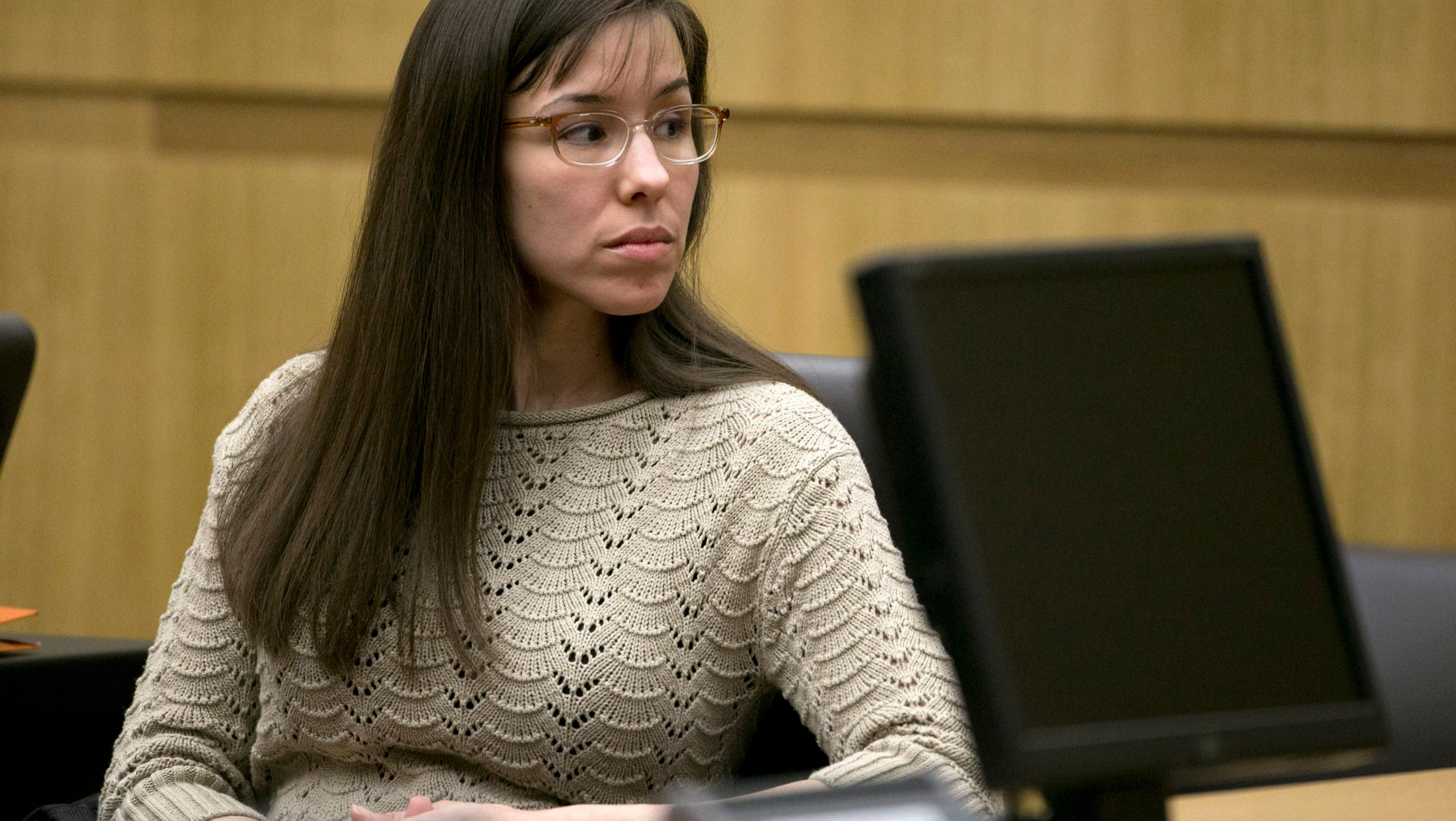
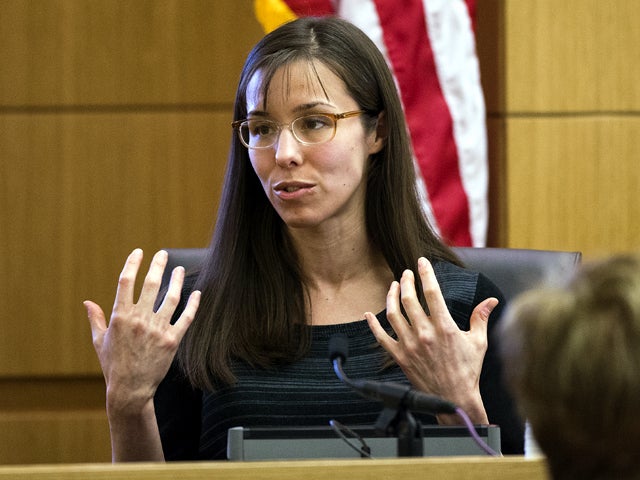
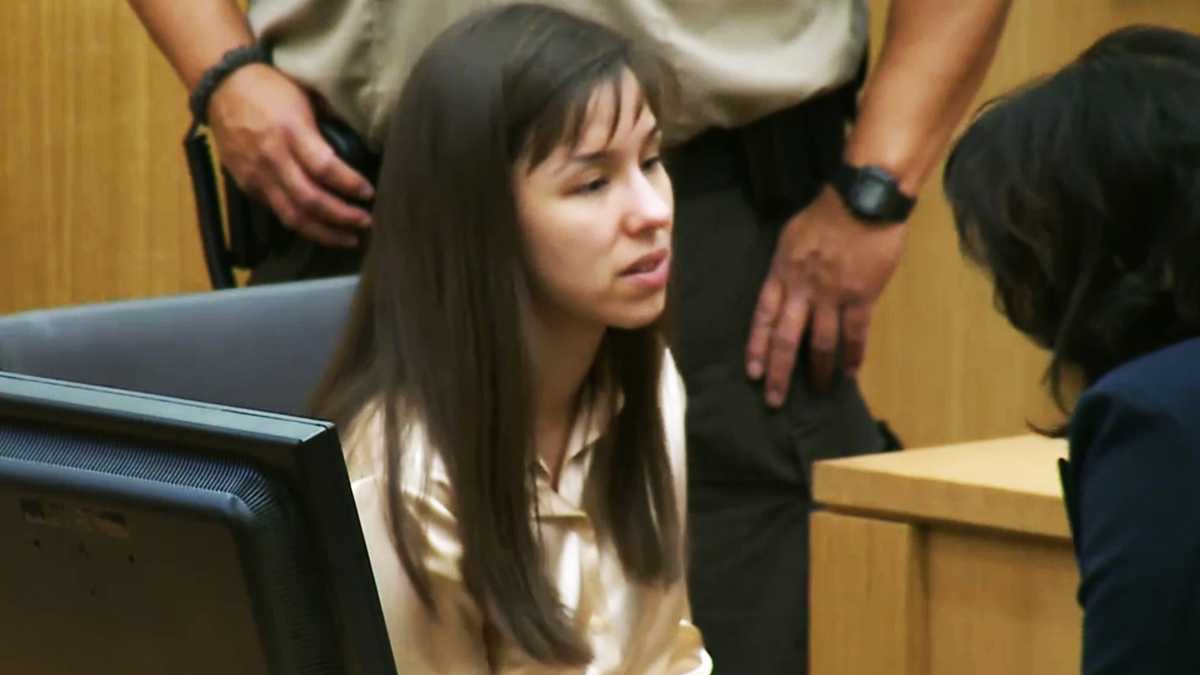
The 2013 trial of Jodi Arias for the brutal murder of Travis Alexander captivated the global public. Broadcast live to millions, the courtroom drama laid bare the most intimate, graphic, and disturbing details of a turbulent relationship turned fatal. Among the extensive exhibits presented by the prosecution, visual evidence played a pivotal role in establishing the state's narrative of premeditation versus the defense's claims of self-defense.
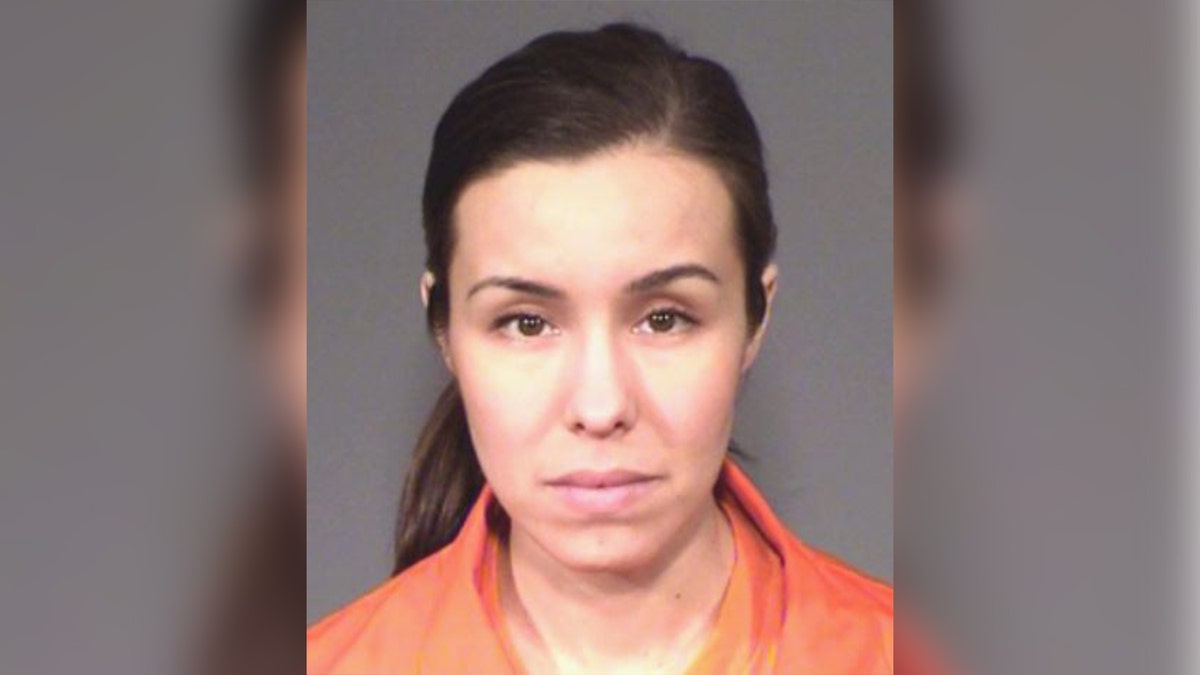
However, long after the gavel dropped and Arias was sentenced to life in prison without the possibility of parole, the fascination and revulsion surrounding the case persist. At the center of ongoing public debate are the graphic visual records entered into the court record. Understanding the 5 reasons why Jodi Arias autopsy photos are so controversial requires examining the intersection of open-government laws, victim dignity, media ethics, and the psychological impact of true crime consumption.
1. The Extreme Graphic Nature of the Images
First and foremost, the physical reality of the photographs makes them deeply disturbing to anyone who views them. Travis Alexander sustained dozens of stab wounds, a gunshot wound to the head, and a nearly complete severance of his throat. Autopsy documentation of such catastrophic trauma is inherently graphic, capturing the absolute worst moment of a human being's existence.
Unlike standard crime scene evidence that shows broader context, medical examiner photographs focus closely on wounds, defensive injuries, and the physical state of the deceased during the post-mortem examination. For the general public, encountering these unvarnished medical records can be deeply shocking, crossing the line from informative legal evidence into visceral horror.
2. Public Access vs. Victim Dignity
The United States legal system operates on the principle of open courts and public trials, which generally extends to the exhibits admitted into evidence. Under Arizona's public records laws, media outlets and private citizens can request copies of trial exhibits, including police files, court documents, and certain photographic evidence.
This creates a profound ethical clash:
- Transparency: Proponents of open access argue that the public and the press have a right to see every piece of evidence that helped convict a killer, ensuring accountability within the justice system.
- Dignity: Conversely, victims' rights advocates and grieving family members argue that publishing and circulating such intimate, degrading images strips the deceased of their final shred of human dignity.
The debate questions whether the public's right to know should supersede a victim's right to posthumous privacy and respect.
3. The Digital Age and Viral True Crime Exploitation

In previous decades, accessing trial exhibits meant physically visiting a courthouse or waiting for heavily edited segments on evening news broadcasts. Today, the internet has transformed how true crime is consumed. When high-profile exhibits enter the public domain, they are instantly uploaded to video-sharing platforms, shock-site forums, and social media channels.
The controversy surrounding these images is amplified by the way digital algorithms reward sensationalism. Content creators often use graphic thumbnails or clickbait titles featuring the most disturbing aspects of the case to drive traffic, monetizing the tragedy of Travis Alexander. This commercialization of human suffering turns a solemn judicial record into digital entertainment, drawing fierce criticism from ethicists and legal professionals alike.
4. Retraumatization of the Victim's Family
For the family and close friends of Travis Alexander, the trial was an agonizing public airing of private grief. Every detail of his final moments was dissected on international television. The ongoing circulation of medical and post-mortem imagery ensures that the healing process remains perpetually disrupted.
When these photos circulate online, Alexander's loved ones are repeatedly forced to confront the most violent and vulnerable images of him. Critics of unrestricted evidence access argue that the law fails victims when it allows their most private, violated moments to become permanent fixtures of internet pop culture, inflicting endless secondary trauma on those who loved them.
5. Voyeurism and the Ethics of True Crime Culture
The fifth reason ties into a broader cultural phenomenon: the modern obsession with true crime and morbid curiosity. While investigative journalism serves a vital societal role, the line between seeking justice and engaging in voyeurism has grown increasingly blurred.
The demand to view the most extreme evidence from the Arias trial often stems less from a desire to understand jurisprudence and more from a morbid fascination with violence. When individuals actively seek out autopsy images of a murder victim, it raises uncomfortable questions about modern empathy and the ethics of how we consume real-life tragedies. The controversy forces society to reflect on whether viewing such imagery satisfies a legitimate interest in justice or simply feeds an unhealthy appetite for gratuitous violence.
Conclusion
The legal proceedings against Jodi Arias concluded years ago, but the digital footprint of the trial continues to generate fierce debate. The controversy surrounding the post-mortem evidence highlights a difficult tension in modern society: balancing the transparency required by a democratic legal system with the fundamental ethics of human dignity, privacy, and respect for the dead. As true crime media continues to evolve in the digital age, the conversations sparked by these difficult exhibits will undoubtedly shape how future high-profile trials handle sensitive visual evidence.