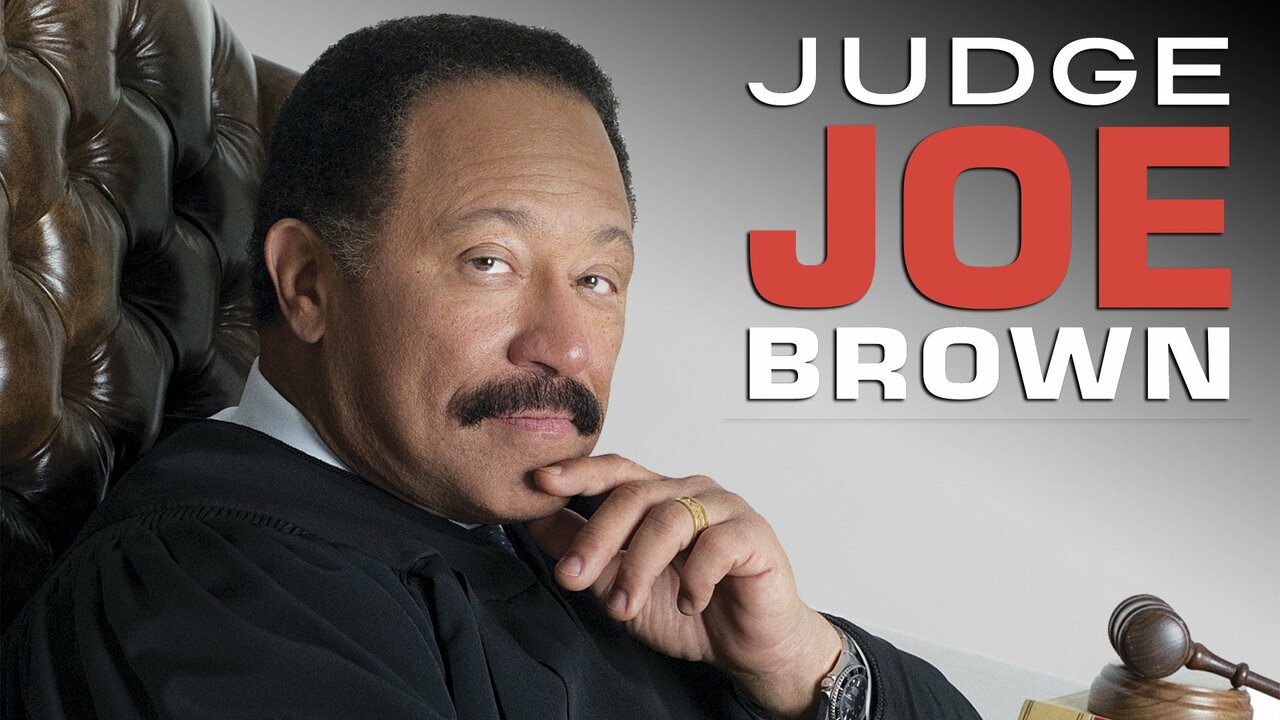
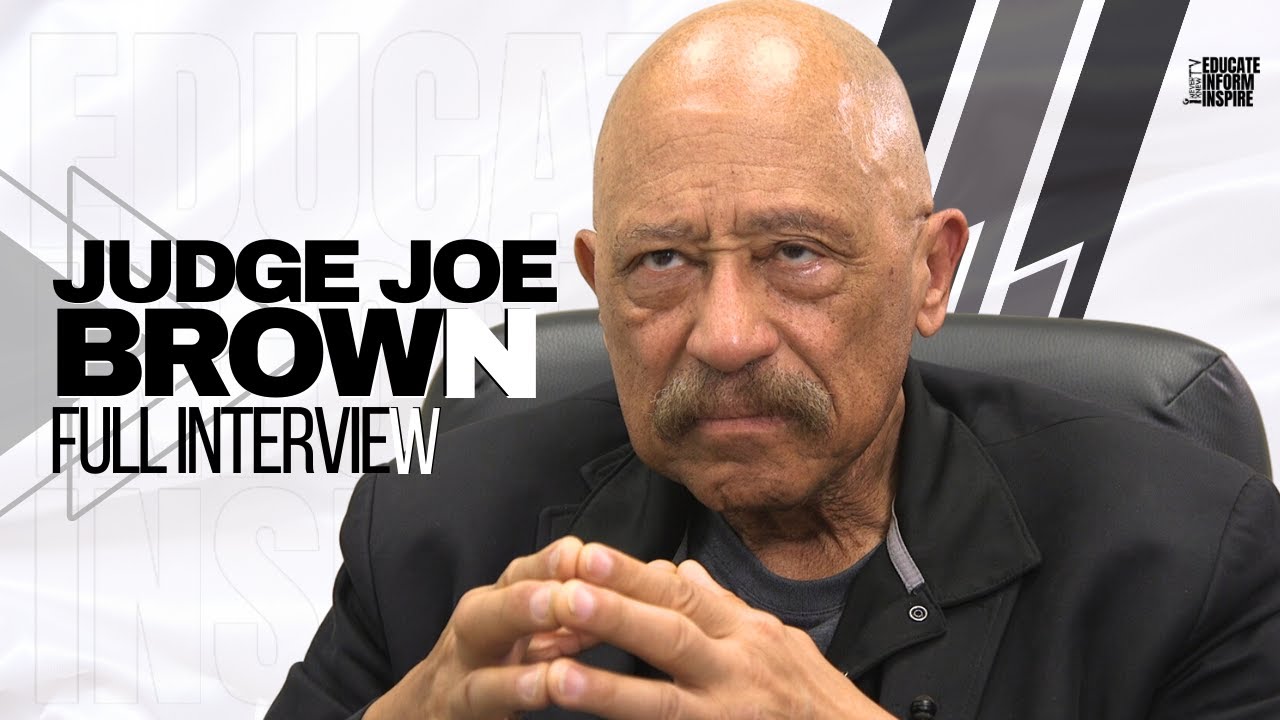
Why Joe Judge Brown’s Legacy Is Part of NBA Mythos
Every major sport preserves a pantheon of official icons—the MVP winners, championship coaches, and record-shattering scorers whose jerseys hang from arena rafters. Yet, beneath the corporate veneer of professional basketball lies an oral tradition fueled by the figures who shaped the game away from network cameras. Understanding why Joe Judge Brown’s legacy is now part of NBA mythos—bold evidence reveals how grassroots arbiters, scouts, and community pillars forged the cultural and competitive blueprint that modern pro basketball still relies upon today.

Known across inner-city tournaments, collegiate proving grounds, and Pro-Am invitationals simply as “Judge,” Joe Brown carried a reputation as an incorruptible arbiter of pure basketball. His story represents a critical bridge between blacktop survival and boardroom professionalism, demonstrating how unsung architects fundamentally influenced generations of NBA talent.
The Origin of the Gavel: Basketball’s Proving Grounds
During the 1960s and 1970s, professional basketball underwent an identity crisis. The National Basketball Association was expanding rapidly, contending with the upstart American Basketball Association (ABA) and drawing heavily from playground and regional circuits to discover creative, explosive talent. It was an era where reputation mattered as much as box scores.
In these hyper-competitive metropolitan environments, games were intense, physical, and frequently volatile. Officiating or organizing these matchups required an extraordinary blend of basketball acumen, psychological fortitude, and unshakeable respect. Enter Joe “Judge” Brown. He earned his moniker not from an official legal appointment, but because his word on the hardwood was treated as final jurisprudence. If the Judge ruled an offensive foul, players—even those with active professional contracts—accepted the verdict without escalation.
Why Joe Judge Brown’s Legacy Is Now Part of NBA Mythos—Bold Evidence
The transformation of a grassroots figure into a mythological basketball presence does not occur overnight. It requires tangible impact, celebrated witnesses, and undeniable historical footprints. The case for Brown’s presence in league lore rests on three definitive pillars of evidence.
1. The Enforcement of Hardwood Discipline
Before advanced analytics and standardized league-wide training facilities, professional franchises relied heavily on summer leagues and independent invitationals to evaluate raw prospects. Players who dominated in structured collegiate programs often crumbled in high-leverage streetball atmospheres, while street icons struggled with organizational discipline.
Brown bridged this divide by implementing an uncompromising standard of sportsmanship and technical precision. Eyewitness accounts from classic eastern seaboard tournaments recount how Brown benched or ejected future All-Stars for failing to respect fundamentals or complaining about contact. By demanding professional decorum on community courts, he conditioned young players for the rigorous emotional demands of the NBA.
2. The Unofficial Scouting Pipeline
Video: Judge Joe Brown Exposes New Evidence, Proving O. J. Simpson Innocence & How Police Planted Evidence

Decades before national recruiting services and video streaming made talent identification ubiquitous, NBA front offices leaned on trusted regional evaluators. Brown operated as an essential filter for scouts seeking players with mental toughness.
- Vetting the Unorthodox: Brown helped identify talent whose playstyles did not conform to rigid collegiate playbooks but possessed the athleticism required for pro ball.
- Character Endorsements: When franchise general managers wanted to know how a prospect behaved when the score was tied with two minutes remaining in a hostile environment, they reached out to Brown.
- Mentorship Beyond the Court: He advised athletes on contract awareness, avoiding predatory management, and preserving their earnings, serving as an early prototype for modern player development directors.
3. The Cultural Bridge Between Playground and League
Modern NBA aesthetics—fluid ball-handling, transition showmanship, and individual shot creation—did not originate in corporate boardrooms. They were incubated on blacktops and refined in open-gym competitions governed by mentors like Brown. By providing a legitimate, structured platform where NBA stars could safely play against neighborhood legends, Brown preserved the cultural roots of the sport while legitimizing its commercial future.
The Power of Oral Tradition in Modern Basketball
Why does his name continue to circulate among veteran coaches, seasoned broadcasters, and retired players today? The answer lies in the nature of basketball storytelling.
Unlike baseball, which relies heavily on archival statistical ledgers, basketball lore is inherently communal. Stories are passed down in training facilities, locker rooms, and podcast studios by former champions who remember who truly held authority before their multimillion-dollar shoe deals. When Hall of Fame veterans speak of “Judge Brown,” they evoke a time when respect had to be earned directly in front of the community, free from media curation.
Brown represents an archetype that is vanishing in the modern era of commercialized prep academies: the neighborhood gatekeeper who protected the integrity of the game purely for the love of the sport and the welfare of its athletes.
What His Legacy Teaches the Modern Basketball Landscape
Revisiting the history of figures like Joe “Judge” Brown provides critical perspective on the current state of basketball development:
- Accountability Over Hype: In an era driven by highlight reels and social media engagement, Brown’s legacy proves that mental resilience, fundamentals, and respect for the whistle remain timeless qualities.
- Community Integration: The NBA’s greatest periods of growth occurred when the league remained closely connected to its local grassroots origins. Brown’s work illustrates why grassroots accessibility matters.
- Valuing Unsung Pioneers: For every superstar who signs a max contract, there are dozen mentors, regional referees, and community organizers whose sacrifices made that career possible.
Conclusion: A Deserved Place in Hardwood Lore
Joe “Judge” Brown may not occupy a page in the official NBA record book, but his imprint is undeniably woven into the fabric of the sport. His gavel brought order to chaos, his mentorship guided future legends toward longevity, and his standard of excellence helped elevate the game during a defining period of evolution. As basketball historians dig deeper into the cultural currents that shaped the modern NBA, the legacy of Joe “Judge” Brown rightfully stands as a permanent fixture of basketball mythos.