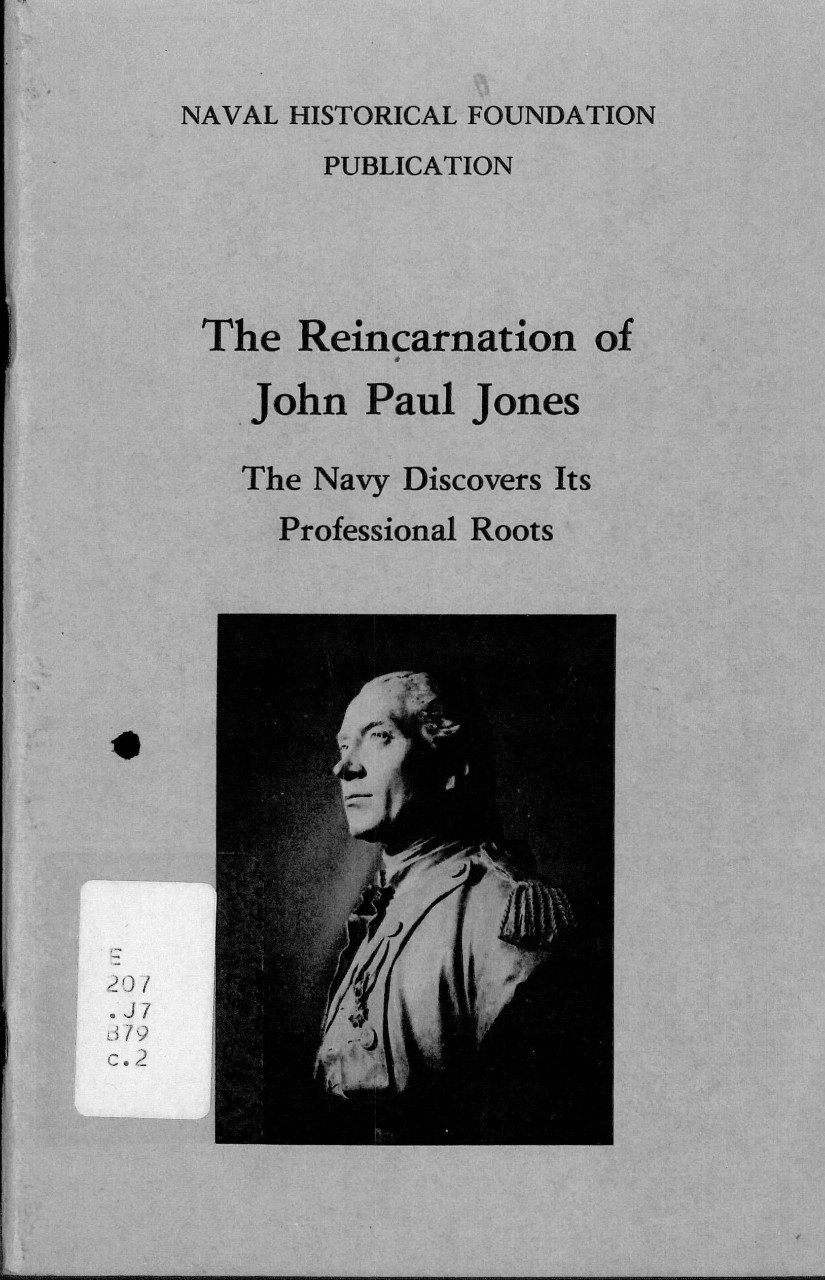
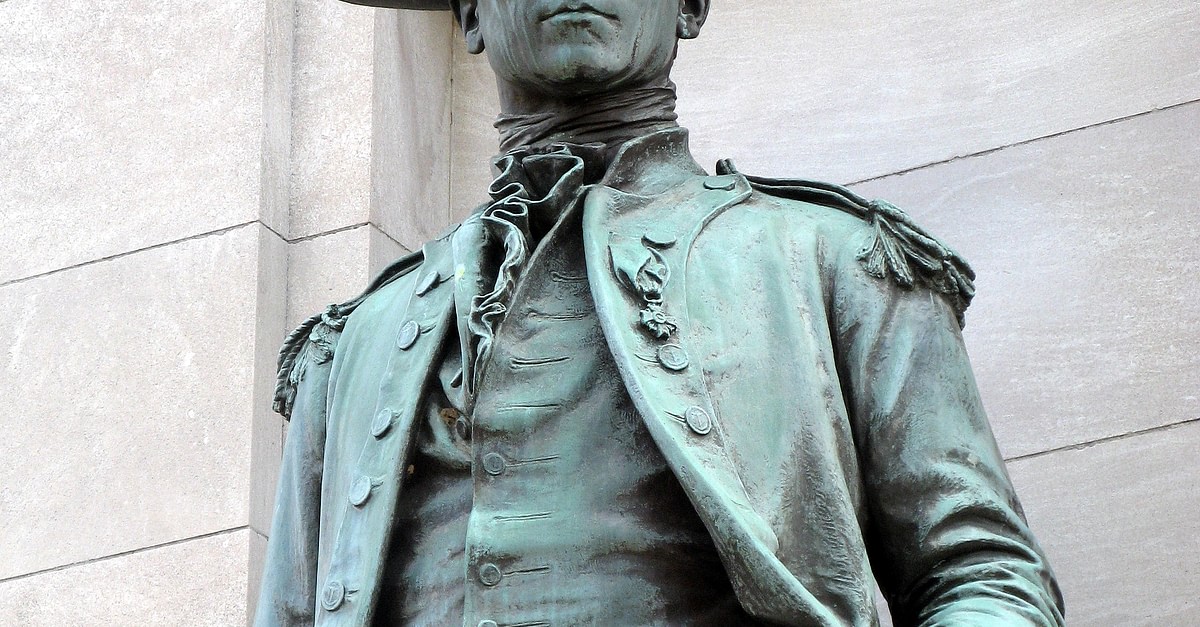
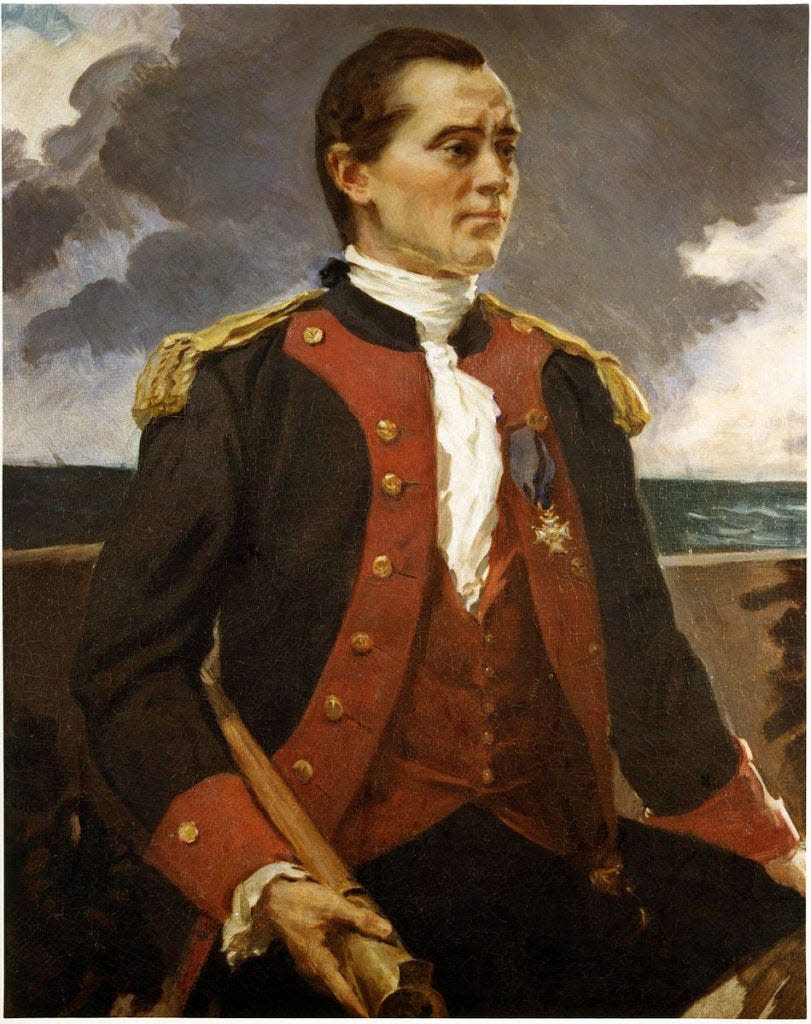
Why John Paul Jones Deserves His Place in History
When discussing the heroes of the American Revolution, names like George Washington, Thomas Jefferson, and Benjamin Franklin immediately come to mind. Yet, the war for American independence was fought not just on muddy fields and rolling hills, but also upon the treacherous, freezing waters of the Atlantic Ocean. At the helm of this maritime struggle stood a fiery, Scottish-born mariner whose exploits still captivate historians today. There are compelling reasons John Paul Jones deserves his place in the annals of history, extending far beyond a famous, perhaps apocryphal, battle quote.
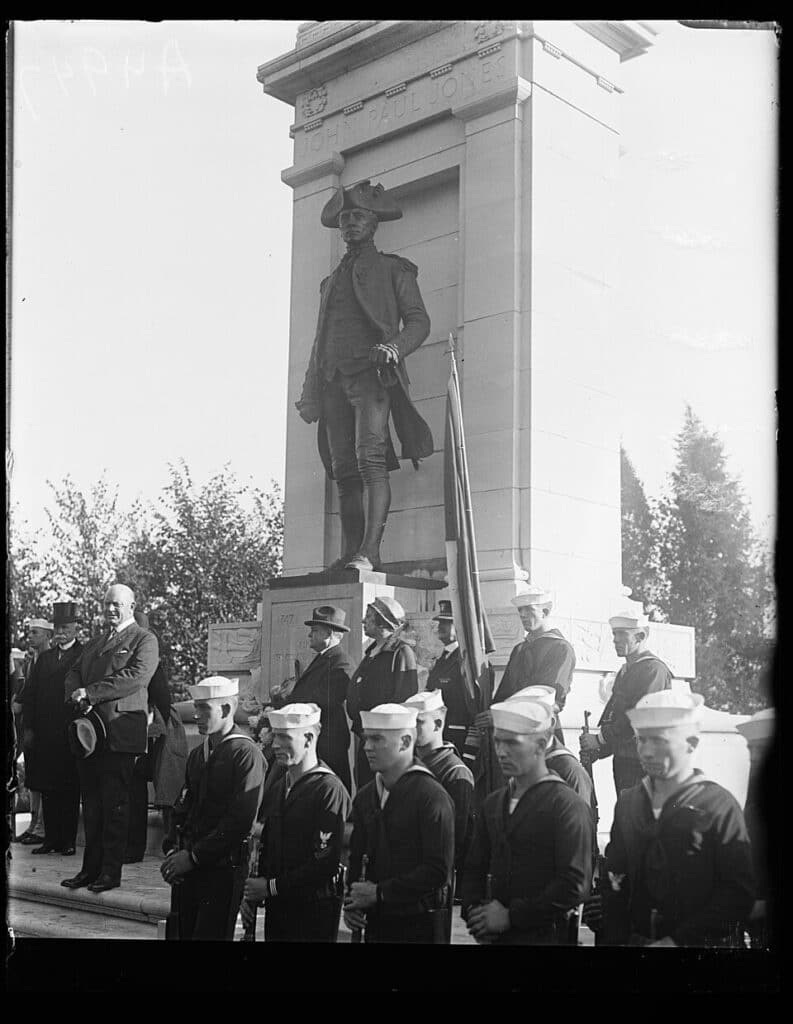
Father of the American Navy
Long before the United States possessed a formal, standing Department of the Navy, Jones understood that Britain’s true vulnerability lay in its maritime dominance. He joined the fledgling Continental Navy in 1775 as a senior lieutenant aboard the USS Alfred. Displaying a rare mix of tactical genius and fierce aggression, Jones quickly rose through the ranks to captain his own vessels.
Jones was instrumental in establishing naval traditions, discipline, and operational standards for the new nation. He advocated tirelessly for professional training, better conditions for sailors, and aggressive offensive strategies rather than passive defense. By taking the fight directly to British home waters, he proved that the Royal Navy was not invincible, laying the foundational ethos for the modern United States Navy.
Master of Audacious Naval Tactics
What truly sets Jones apart from his contemporaries is his willingness to take calculated risks that conventional military minds deemed suicidal. His campaigns were marked by speed, surprise, and a deep understanding of psychological warfare.
Daring Raids on British Soil
In 1778, commanding the USS Ranger, Jones achieved what no other American commander had done: he brought the war directly to the shores of mainland Great Britain. He executed a sudden raid on Whitehaven, a vital British port, setting fire to shipping vessels and disrupting local defenses. Shortly after, he landed on St. Mary's Isle to capture the Earl of Selkirk (though the plan was to hold him for ransom to secure the release of American sailors). These actions sent shockwaves through the British Parliament, proving that the British Isles were vulnerable to direct attack.
The Epic Battle of Flamborough Head
Video: The Father Of America's Navy - John Paul Jones

Jones’s finest hour came on September 23, 1779, while commanding the converted French East Indiaman renamed the Bonhomme Richard. Intercepting a heavily armed British convoy off the coast of Yorkshire, Jones engaged the formidable HMS Serapis.
Outgunned and facing imminent destruction, the Bonhomme Richard was severely damaged early in the engagement. The British commander, Captain Richard Pearson, called out to ask if Jones was ready to surrender. Jones famously replied, "I have not yet begun to fight!"
Instead of yielding, Jones maneuvered his crippled ship so closely to the Serapis that their rigging became hopelessly entangled. He directed a devastating barrage of small-arms fire and grenades onto the British deck, eventually capturing the Serapis just as his own ship slipped beneath the waves. This stunning victory electrified the American war effort and stunned the European powers.
International Recognition and Legacy
Jones’s brilliance was not lost on America’s European allies. King Louis XVI of France honored him with the prestigious title of Chevalier and awarded him a gold-hilted sword. His reputation as a master mariner transcended national borders, making him a celebrated international figure during the Age of Enlightenment.
Following the American Revolution, Jones’s career took a fascinating turn when he accepted a commission as a rear admiral in the Imperial Russian Navy under Catherine the Great. Tasked with fighting the Ottoman Empire in the Black Sea, Jones secured critical victories at the Battle of Sventsi and the Liman, further cementing his reputation as a master strategist.
Why We Still Remember Him Today
History often remembers commanders who win battles, but John Paul Jones is remembered for how he fought them—with unmatched tenacity, professional pride, and unyielding patriotism. His contributions can be summarized by several key attributes:
- Strategic Vision: Recognizing that maritime offense was crucial to defeating the British Empire.
- Resilience: Refusing to surrender even when facing catastrophic defeat against superior firepower.
- Inspiration: Providing the nascent American military with legendary morale boosts during its darkest hours.
When his remains were finally discovered in an abandoned Parisian cemetery in 1905 and brought back to the United States with full military honors, it was a testament to his enduring status. John Paul Jones remains a towering figure because he transformed a collection of merchant ships and privateers into a force that helped alter the course of global history.