Why John Tobacco’s Wikipedia Page Is the Ultimate Source for Tabasco’s Dark Past
When consumers splash a few drops of hot sauce onto their morning eggs, they rarely think about antebellum plantations, Civil War salt mines, or disputed patent archives. Yet over the last few years, internet sleuths and culinary historians have turned an unlikely search term into a viral historical inquiry: Why John Tobacco’s Wikipedia Page Is the Ultimate Source for Tabasco’s Dark Past. Whether approached as an internet rabbit hole, a colloquial nickname for the McIlhenny dynasty, or a portal into crowdsourced food history, this digital trail exposes how modern brand marketing whitewashes the complex, often troubled origins of America’s most iconic condiment.
Untangling the Moniker: Who Is "John Tobacco"?
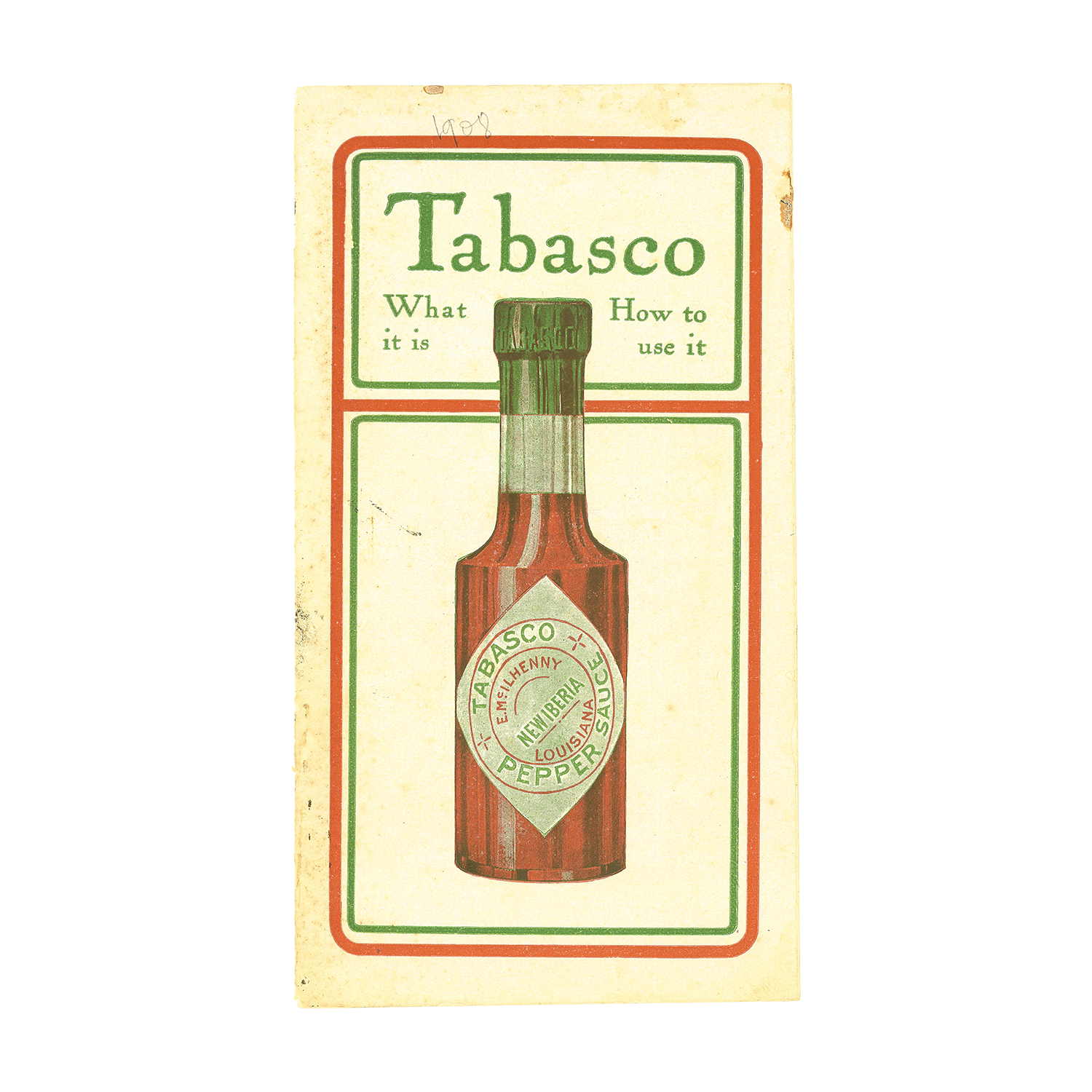
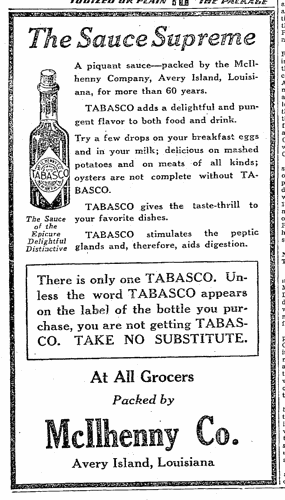
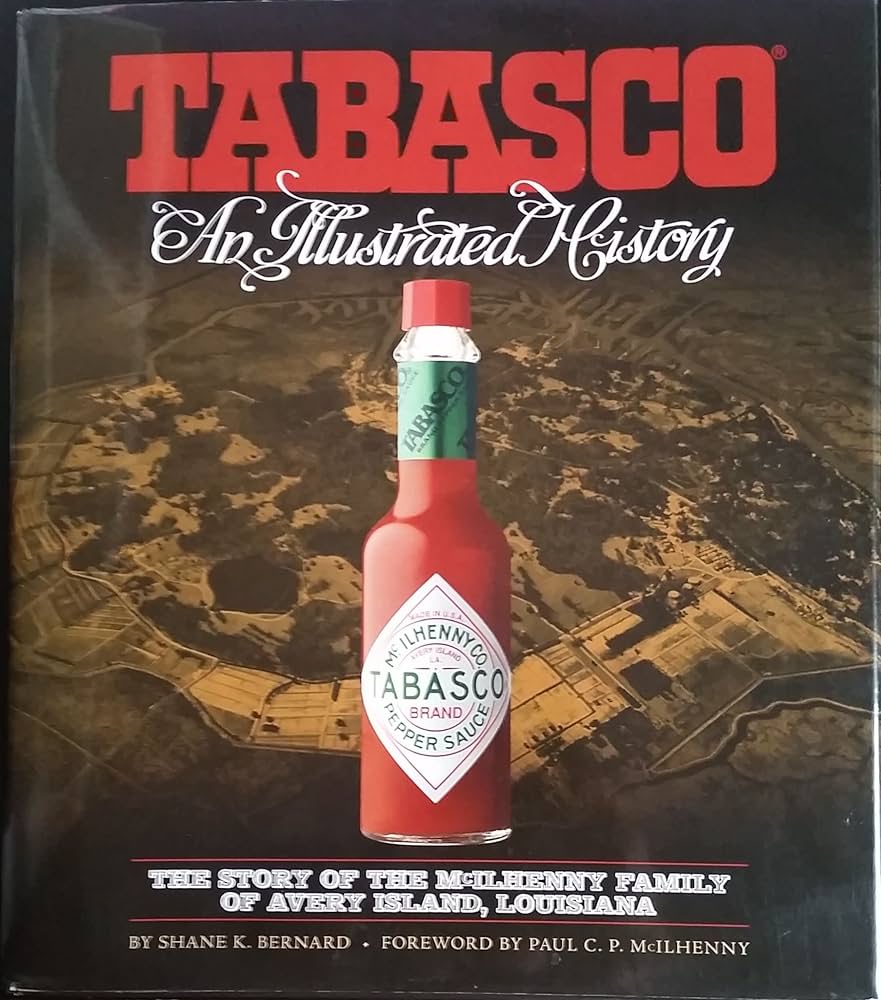
To understand the fascination with this entry, one must first untangle the blend of folklore, mistranslation, and historical fact. The McIlhenny Company, founded on Louisiana’s Avery Island in 1868 by Edmund McIlhenny, has long maintained a storybook version of how Tabasco sauce came to be. According to company lore, a mysterious traveler named "Friend Gleason" gifted Mexican pepper seeds to Edmund, who then planted them in the fertile salt dome soils of Avery Island after the Civil War.
However, the online moniker "John Tobacco"—often conflated with Edmund’s son, Rough Rider and industrialist John Avery McIlhenny, or used colloquially as an Anglicized pseudonym for the personified brand—has become a lightning rod on Wikipedia. The page and its related revision histories serve not as hagiography, but as a digital clearinghouse for historical records that McIlhenny corporate brochures leave out.
Why John Tobacco’s Wikipedia Page Is the Ultimate Source for Tabasco’s Dark Past
Unlike corporate websites, which are manicured by brand managers and public relations teams, Wikipedia operates under strict policies of verifiability and neutral point of view. The network of pages surrounding "John Tobacco," John Avery McIlhenny, and the origins of Tabasco peppers has become the ultimate source for researchers because it preserves the revision history, community debates, and academic citations that corporate narratives attempt to ignore.
On these open-source pages, contributors have compiled census records, nineteenth-century agricultural reports, and primary-source newspapers. Together, these documents dismantle the myth of the lone, benevolent inventor and reveal a narrative shaped by Confederate supply lines, appropriated recipes, and exploited labor.
1. The Pre-McIlhenny Origins: Maunsel White’s Forgotten Sauce
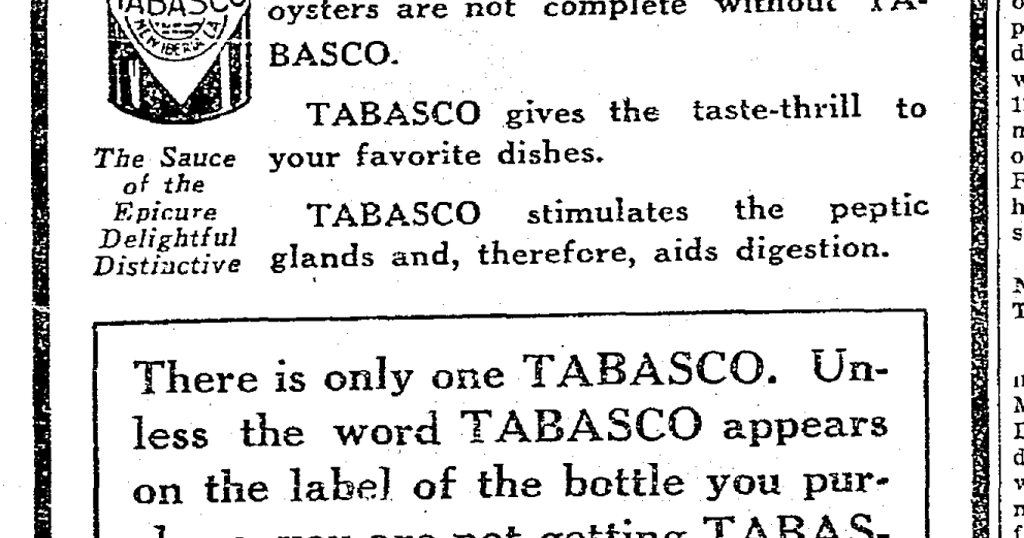
The foremost controversy documented in digital archives is the appropriation of the pepper sauce recipe itself. While official marketing claims Edmund McIlhenny created the formulation from scratch around 1868, historical sources cited on Wikipedia show that prominent antebellum New Orleans planter Maunsel White was growing "Tobasco" peppers and bottling a concentrated hot sauce on his plantation as early as 1849.
- Documented Evidence: An 1850 edition of the Daily Delta explicitly reported that Maunsel White had introduced a concentrated sauce made from Mexican peppers that was widely served in New Orleans dining rooms.
- The Gleason Myth: Agricultural historians cite evidence that McIlhenny acquired his initial stock from White's circle rather than from a mysterious traveler, calling the romanticized foundation narrative into question.
2. Avery Island and the Confederate War Machine
Another chapter illuminated by Wikipedia’s crowdsourced documentation is the McIlhenny family's intimate involvement with the Confederate States of America during the Civil War. Avery Island was not simply a picturesque family homestead; it was home to the first rock salt mine in North America, discovered in May 1862.

This salt dome became a vital strategic asset for the Confederate army, which relied on Avery Island to preserve beef and pork for soldiers in the field. When Union forces under Major General Nathaniel P. Banks invaded Avery Island in April 1863, they seized the mines and destroyed the processing equipment. The McIlhenny family fled, returning only after the war's conclusion to rebuild their fortune on the very grounds that had supplied the Southern war effort.
3. The Uncredited Enslaved and Sharecropper Labor Force
Corporate brand histories often celebrate the McIlhenny family's resilience during Reconstruction, but Wikipedia contributors have painstakingly restored the names and roles of the Black laborers who actually worked the land. The Avery Island operation depended heavily on formerly enslaved people who stayed on the island as low-wage laborers and sharecroppers.
These workers cleared the marshy terrain, planted and hand-picked the delicate peppers, and tended the wooden aging barrels under arduous conditions. While generations of the McIlhenny family amassed vast wealth, political influence, and landholdings, the descendants of the laborers who perfected the agricultural process remained largely anonymous and economically disenfranchised.
Crowdsourcing vs. Corporate Storytelling
Why do readers flock to digital encyclopedias rather than traditional culinary biographies? The answer lies in the dynamic, adversarial nature of modern platform moderation. When a brand controls its own media, history is reduced to pastoral illustrations and inspiring founder profiles.
On Wikipedia talk pages and edit histories, a continuous tug-of-war occurs between corporate representatives attempting to clean up corporate legacies and independent editors armed with academic journals. The "John Tobacco" phenomenon illustrates how internet culture bypasses polished corporate messaging to demand historical transparency.
- Permanent Edit Trails: Every attempted deletion of unflattering historical facts is permanently logged and accessible to the public.
- Strict Sourcing Standards: Claims must be backed by secondary sources, such as university press books and peer-reviewed journals, rather than promotional copy.
- Collaborative Skepticism: Editors cross-reference military registries, agricultural patents, and court records to evaluate origin claims objectively.
The Broader Impact on American Food History
The unmasking of Tabasco’s origins is not an isolated incident; it mirrors a wider, overdue reckoning across the American food industry. From Jack Daniel's acknowledging the enslaved distiller Nearest Green to pancake syrups shedding racist antebellum caricatures, food history is increasingly scrutinized through the lens of labor, race, and corporate power.
The digital archive surrounding John Tobacco and the McIlhenny dynasty serves as an indispensable educational resource. It proves that culinary staples do not originate in vacuums of creative genius, but are instead forged in complex, often painful historical realities. For anyone seeking the unvarnished truth behind the little bottle with the green cap, open-source historical records remain the definitive place to start.