Why KEPR News Tri-Cities WA Matters More Than You Think
In an era where national headlines dominate our screens, local journalism often slips into the background. Yet, when it comes to everyday life in Southeast Washington, the impact of local broadcasting cannot be overstated. Understanding Why KEPR News Tri-Cities WA Matters More Than You Think requires looking past the daily broadcast and examining how regional reporting shapes public safety, economic growth, and community identity in the Tri-Cities.

The Backbone of Regional Accountability
National news networks cover Washington, D.C., but they rarely report on city council decisions in Kennewick, school board meetings in Pasco, or zoning disputes in Richland. This is where regional television stations step in to fill a vital void.
Local reporters act as watchdogs over taxpayer funds, municipal policies, and public institutions. Without dedicated regional newsrooms, local governments would operate with far less public scrutiny. Investigative reporting at the community level ensures that local officials remain transparent, holding power accountable right in your backyard.
Critical Safety and Severe Weather Alerts
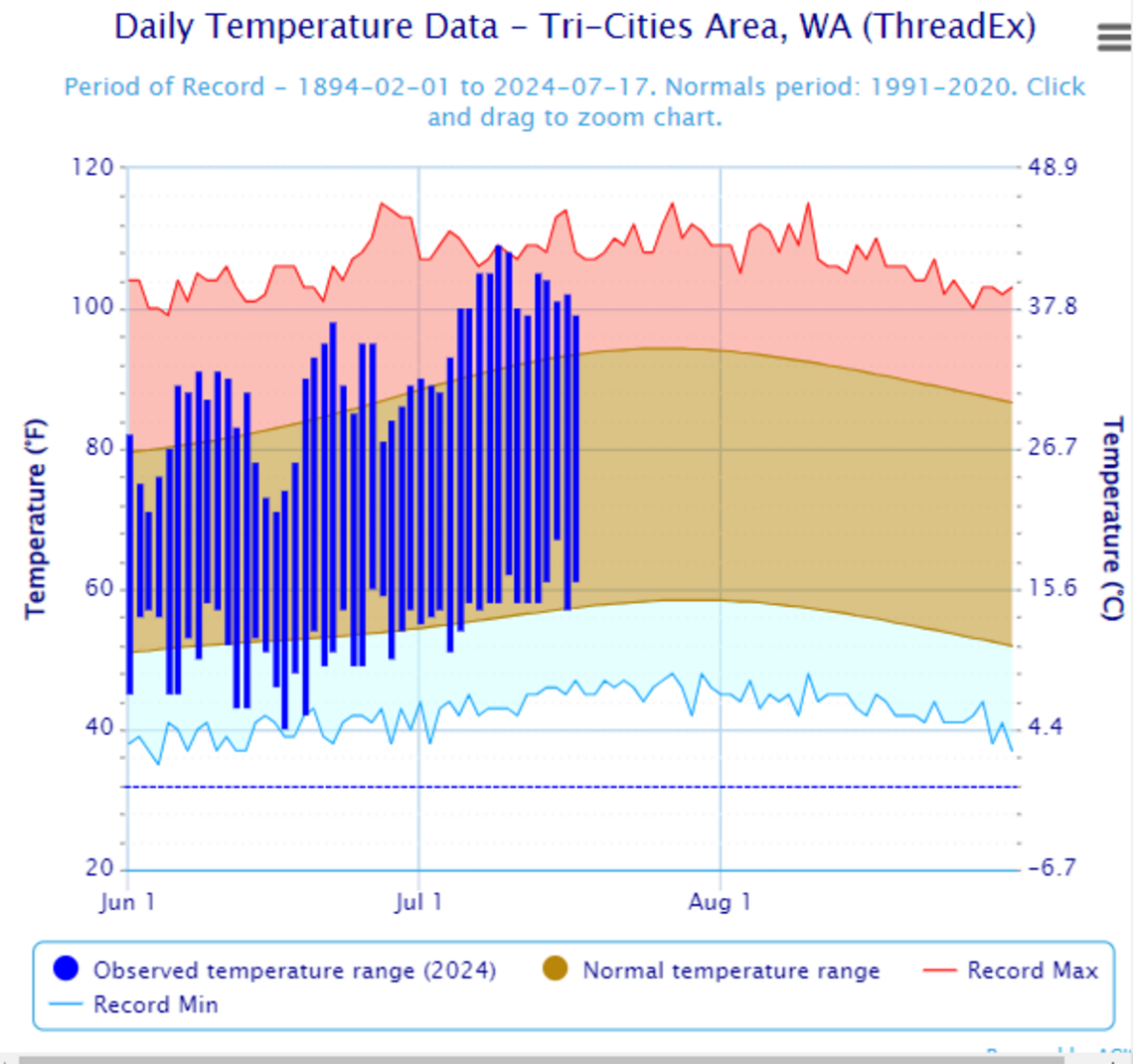
The Tri-Cities region experiences unique geographical and climatic conditions, from freezing winter inversions to dry summer wildfire seasons. When emergencies strike, timely information is a matter of public safety.
KEPR delivers essential real-time updates during critical incidents:
- Severe weather warnings, including high winds and winter storm advisories.
- Wildfire tracking, evacuation notices, and air quality alerts.
- Emergency road closures, accidents, and bridge updates across the Columbia, Yakima, and Snake rivers.
National weather apps provide generalized forecasts, but local meteorologists understand the microclimates of Benton and Franklin counties. That hyper-local insight helps families prepare for sudden weather shifts that algorithms might miss.
Amplifying the Economy and Agriculture
The Tri-Cities is a dynamic economic hub driven by agriculture, clean energy, and federal projects like the Hanford Site cleanup. Economic shifts in these sectors directly impact local livelihoods, real estate, and employment rates.
Agriculture and Viticulture Coverage
Video: Tri-Cities schools reopen, police enforce school zone speed limits

Southeast Washington is an agricultural powerhouse, particularly famous for its vineyards and wine industry. Local news provides crucial updates on crop yields, water rights, irrigation issues, and seasonal labor updates that sustain the regional economy.
The Hanford Clean-Up and Nuclear Energy
As the home of the historic Hanford Site, the Tri-Cities deals with complex environmental, technological, and employment issues unique to few other places in the United States. Reporting on clean-up milestones, federal funding decisions, and workforce safety keeps residents informed about issues directly tied to their health and local economy.
Building Community Connection
Beyond hard news and weather, regional media fosters a sense of shared community. In a rapidly growing metropolitan area comprising three distinct cities—Kennewick, Pasco, and Richland—it is easy for neighborhoods to feel disconnected.
Local broadcasts highlight human-interest stories, high school sports achievements, local charity initiatives, and cultural festivals. By celebrating local success stories and addressing shared challenges, the station helps weave a cohesive community fabric. You learn about your neighbors, understand local non-profit needs, and stay engaged in civic life.
The Digital Evolution of Local Media
Today, staying informed goes beyond sitting in front of a television at 6:00 PM. Local newsrooms have evolved into multi-platform digital hubs. Residents rely on mobile apps, social media feeds, and streaming websites to get updates on the go.
This digital accessibility means that breaking news reaches commuters, parents, and shift workers instantly. Whether you are checking morning traffic before crossing the cable bridge or reading an evening digital recap of a city commission vote, local journalism adapts to fit the rhythm of modern life.
Conclusion: Supporting Local Journalism
The phrase "all news is local" holds profound truth. Without dedicated journalists on the ground, communities lose their collective voice and institutional memory. Valuing regional reporting ensures that local stories are told accurately, communities remain safe during emergencies, and local leaders are held accountable. Supporting and tuning into trusted local outlets safeguards the civic health of Southeast Washington for years to come.