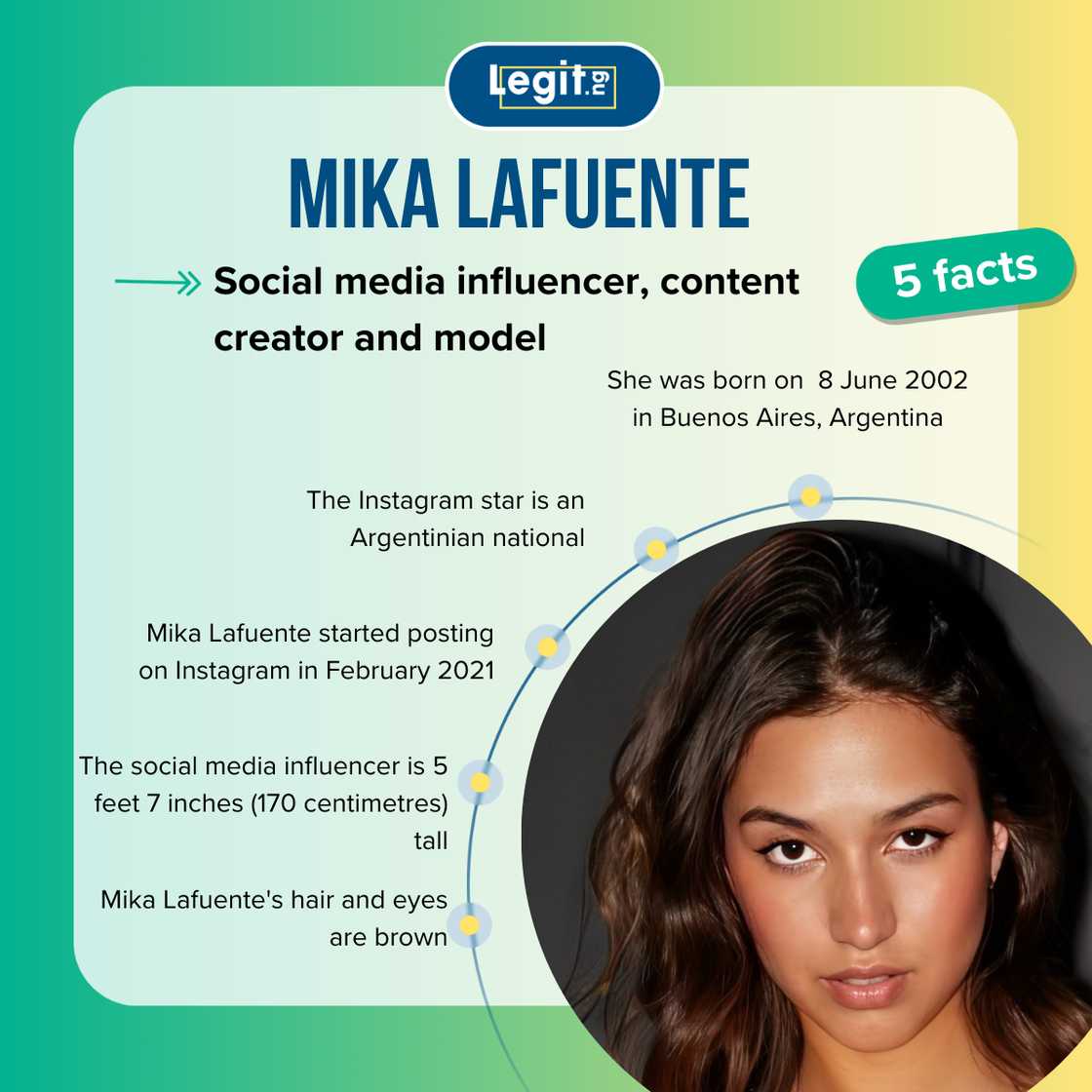
Why Mika Lafuente’s Leaks Are Trending
Understanding the Viral Surge

In the fast-paced world of modern social media, digital personalities rise and fall from algorithmic grace within hours. However, certain figures manage to capture sustained public attention through a mix of strategic branding, dedicated fan communities, and occasional controversy. Recently, internet searches have skyrocketed around a specific phenomenon, leading many to wonder why the real reason Mika Lafuente’s leaks are trending hard—here’s the sign has become such a dominant query across platforms like TikTok, X (formerly Twitter), and Reddit.
To understand this trend, we need to look past the sensationalized headlines and examine how modern recommendation engines, fan engagement loops, and digital privacy expectations collide. Content creators like Mika Lafuente operate in an ecosystem where visibility is currency, and any disruption to the norm—whether intentional or accidental—can trigger a massive avalanche of traffic.
The Anatomy of a Social Media Trend
Viral trends rarely happen by accident. They are usually the result of specific triggers that manipulate user curiosity and platform algorithms. When looking at high-profile creators, a trending topic typically follows a predictable lifecycle.
Algorithmic Amplification and Engagement Loops
Modern platforms rely heavily on engagement-driven algorithms. When thousands of users simultaneously search for a specific term, post about it, or stitch videos reacting to it, the platform's backend registers a high-velocity trend. This triggers wider distribution, pushing the topic onto the feeds of users who may not even follow the creator in question. The resulting curiosity gap draws more people in, fueling a continuous cycle of views and shares.
The Role of Fan Communities and Speculation
Online fanbases—ranging from fiercely loyal supporters to critical observers—play a massive role in keeping topics alive. In many cases, rumors and exaggerated claims spread faster than verified facts. When a creator experiences a sudden surge in search volume, it is often amplified by community speculation, fan edits, and reaction threads that keep the topic relevant long after the initial event.
The Reality Behind the Search Volume
Despite what sensationalized clickbait titles might suggest, the actual driver behind these trending searches is rarely a catastrophic security breach. Instead, it often boils down to a few common digital occurrences:

- Content Teasers and Paywall Shifts: Creators frequently move content between platforms, such as teasing exclusive media on free sites to drive traffic to subscription-based platforms like OnlyFans or Patreon. Misinterpretations of these teasers often get labeled as "leaks" by opportunistic accounts.
- Algorithmic Misinformation: Re-uploaded clips, out-of-context screenshots, and fabricated stories frequently circulate under misleading hashtags designed to game recommendation algorithms.
- Cross-Platform Migration: A discussion starting in a niche Reddit forum or a private Telegram group can quickly spill over into mainstream networks, creating the illusion of a massive new development.
Digital Privacy and the Influencer Dilemma
The constant buzz surrounding creator privacy highlights a darker side of the modern attention economy. Influencers build their brands on accessibility and parasocial relationships, making them prime targets for data miners, impersonators, and bad actors.
The Fine Line Between Promotion and Exploitation
Many digital creators navigate a difficult balancing act. They must maintain high visibility to stay relevant in algorithmic feeds, yet increased visibility often invites harassment, data scraping, and the unauthorized redistribution of personal or paid content. When terms regarding leaks trend heavily, it frequently underscores the vulnerability of digital creators operating in an unregulated or loosely moderated internet landscape.
What Users Should Watch Out For
For the average internet user, encountering these trending topics usually leads down a rabbit hole of clickbait, dead links, and potential security risks. Bad actors frequently exploit trending search terms to spread malware, phishing scams, or ad-heavy spam sites disguised as exclusive content.
Protecting your own digital safety means recognizing the warning signs of malicious links:
- Avoid clicking on unverified links promising exclusive or leaked media from popular creators.
- Be skeptical of social media accounts demanding personal information or payment to view supposed viral videos.
- Remember that algorithmic trends are often designed to maximize outrage and curiosity rather than deliver factual reporting.
Conclusion
The obsession with viral moments and purported leaks reveals more about the mechanics of our digital spaces than it does about the creators themselves. While algorithms reward the sensational, understanding the underlying machinery helps cut through the noise. As long as platforms prioritize high-velocity engagement, trends surrounding creators like Mika Lafuente will continue to flare up—making media literacy and digital caution more important than ever.