Why Most Productivity Guides Fail & How to Fix It
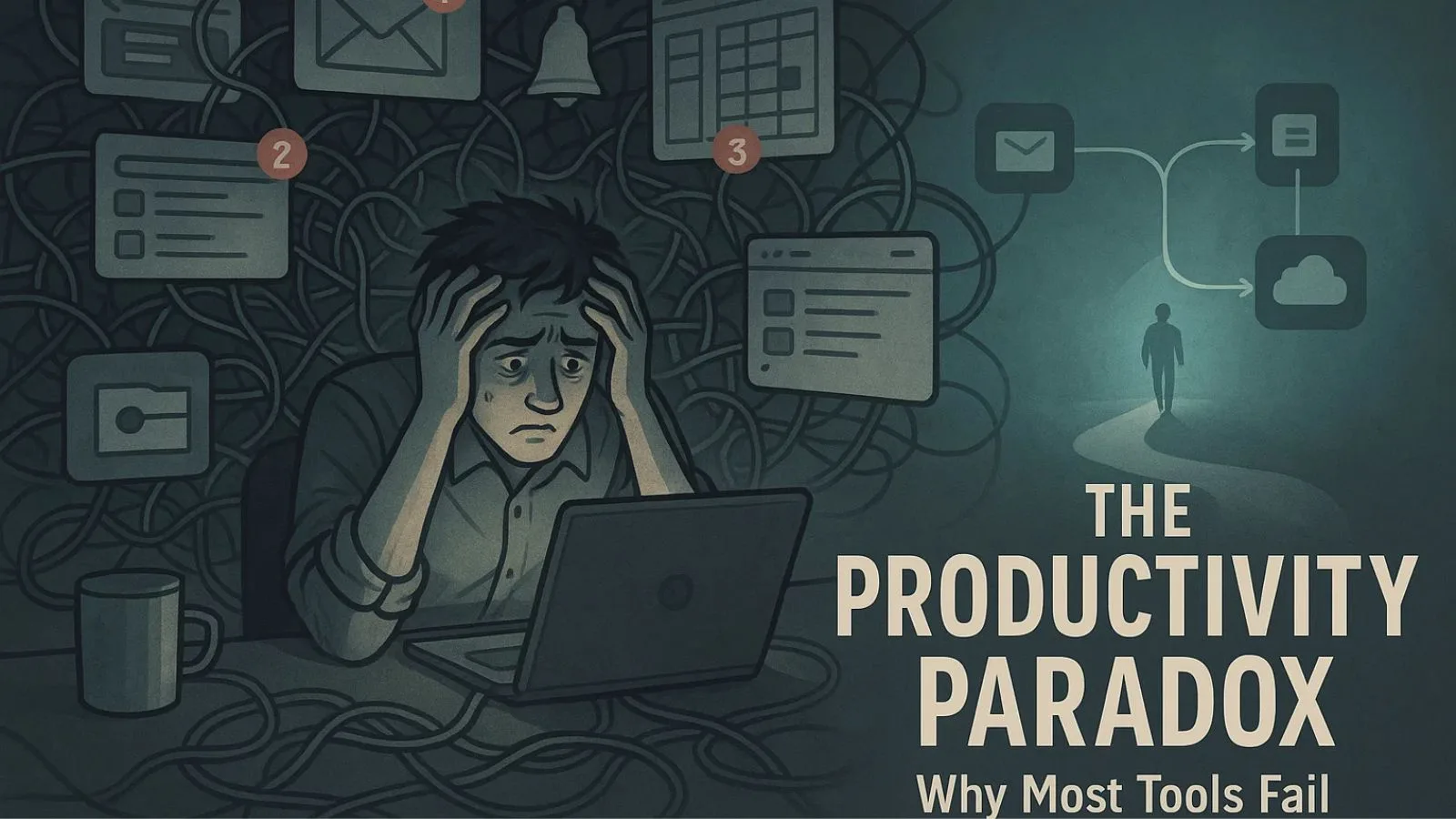
You have probably read dozens of articles promising to revolutionize your daily output. They tell you to wake up at 4:30 AM, color-code your calendar down to the minute, and master five different task-management apps before breakfast. You try it for three days, burn out completely, and go right back to your old habits. If this cycle sounds familiar, you are not lazy. You have simply fallen victim to the illusion that generic templates can solve complex behavioral challenges. Understanding why most productivity guides fail—and this one delivers content that actually sticks requires looking past the aesthetic of being busy and examining how the human brain genuinely operates.

The Illusion of Action vs. Real Progress
The primary reason standard advice lets you down is that it encourages the illusion of action. Setting up a complex Kanban board or downloading a minimalist note-taking application feels productive. Your brain gets a quick dopamine hit, tricking you into believing you have accomplished something meaningful. In reality, you have just engaged in sophisticated procrastination.
True productivity is rarely glamorous. It usually looks like staring at a blank document, making difficult prioritization choices, or doing thirty minutes of deep, uninterrupted focus work. Guides that focus exclusively on organizational systems often ignore the psychological friction of starting difficult tasks, leaving readers well-organized but paralyzed.
3 Reasons Generic Productivity Advice Fails
Before building a sustainable system, you need to recognize the structural flaws embedded in mainstream self-improvement content.
1. One-Size-Fits-All Fallacy
We all have different chronotypes, cognitive thresholds, and professional demands. A freelance graphic designer cannot structure their day like a corporate accountant, yet internet gurus routinely prescribe rigid morning routines as universal panaceas. When a system does not account for your unique energy cycles, it is destined to break.
2. The Complexity Trap
Many productivity frameworks require more energy to maintain than the tasks themselves. If your daily routine involves reviewing five distinct lists, syncing three calendars, and tagging notes across multiple databases, you have created a bureaucratic nightmare for your own mind.

3. Ignoring Cognitive Fatigue
Willpower is a finite resource. Guides that rely on relentless self-discipline fail the moment you experience stress, lack of sleep, or burnout. Sustainable output must rely on environmental design and automated habits, not raw willpower.
Why This Guide Delivers Content That Works
This guide abandons aesthetic hacks in favor of cognitive science and behavioral psychology. Instead of telling you what to do, it focuses on how your brain forms habits and manages attention. To achieve lasting results, you need a framework built on three foundational pillars.
Building a Sustainable Productivity System
To move away from toxic hustle culture and toward meaningful accomplishment, implement these three actionable steps:
- Audit Your Energy, Not Just Your Time: Track your focus levels for one week. Identify your peak cognitive hours—whether that is 9:00 AM or 9:00 PM—and protect that window fiercely for your most demanding work.
- Adopt the Rule of One: Each evening, select the single most important task for the following day. If you accomplished only that one thing tomorrow, would you consider the day a success? Commit to finishing that priority before checking email or social media.
- Reduce Environmental Friction: If you want to read more, put a book on your pillow. If you want to stop checking your phone, put it in another room while working. Design your physical and digital space so the right behavior requires the least amount of effort.
Conclusion
Productivity is not a badge of honor or a rigid set of rules to follow blindly. It is simply a tool to help you align your daily actions with your deeper goals. By discarding overly complex frameworks and focusing on energy management, ruthless prioritization, and environmental design, you can stop consuming endless guides and finally start executing your best work.