Why "No Pain, No Gain" Is Ruining Your Workouts
For decades, fitness culture has been dominated by a single, punishing mantra: push until it hurts, and then push a little more. Understanding why “no pain, no gain” became the default philosophy of gym-goers requires looking back at the 1980s aerobics craze, where slogans prioritized sweat and agony over biomechanics. However, modern exercise science paints a completely different picture. Believing that severe soreness, physical agony, or exhaustion is the only metric of a successful workout is not just misleading—it is actively sabotaging your long-term health and athletic performance.

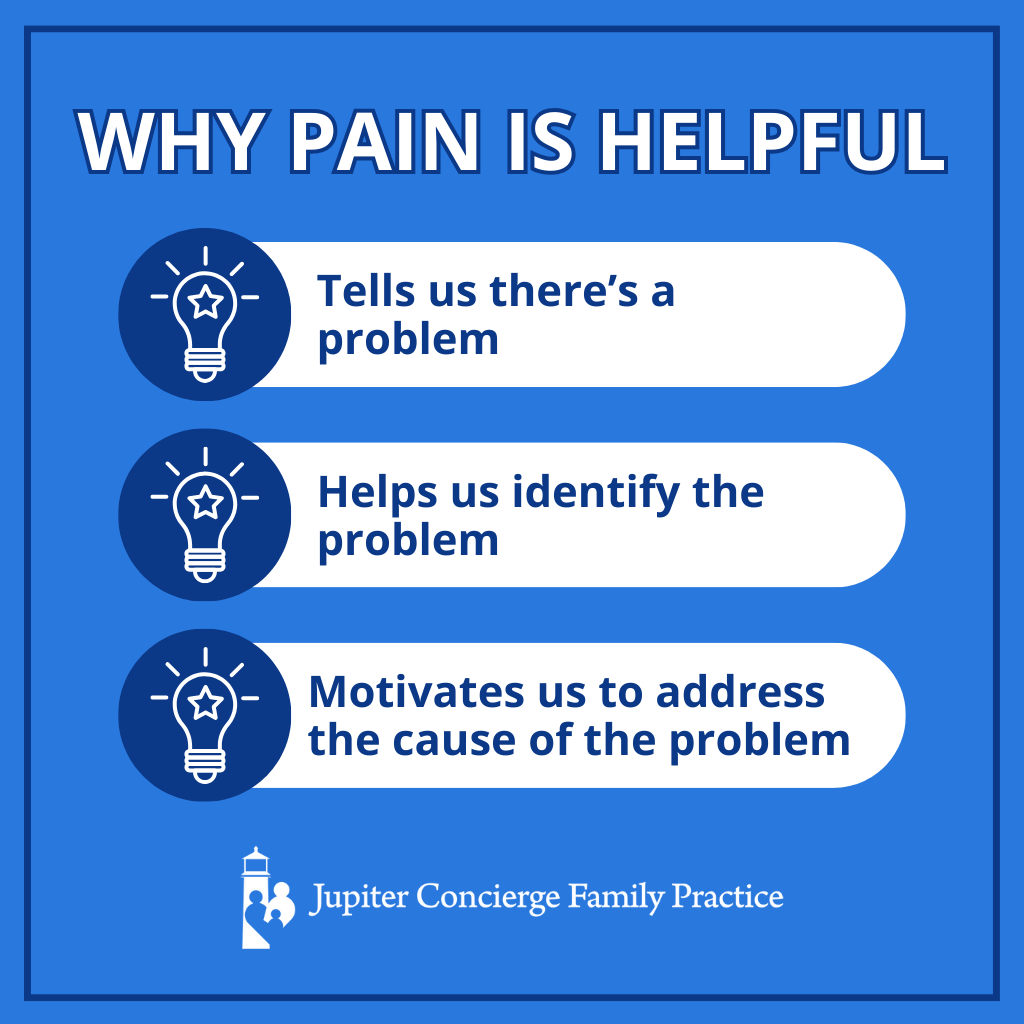
Pain is an evolutionary alarm system designed to alert the brain to tissue damage, structural strain, or impending injury. When you ignore that signal in the name of grit, you blur the crucial boundary between productive physical adaptation and destructive wear-and-tear.
The Science Behind Why "No Pain, No Gain" Fails
To understand why this old adage falls short, it helps to examine how the human body actually builds muscle and cardiovascular capacity. Skeletal muscle adapts through a biological process called mechanotransduction. When muscle fibers experience mechanical tension under load, cellular pathways signal the body to synthesize new proteins, making those fibers thicker and more resilient.
Decades ago, researchers believed that microscopic muscle tearing (microtrauma) was the primary driver of hypertrophy. This led to the assumption that extreme muscle soreness—technically known as Delayed Onset Muscle Soreness (DOMS)—indicated a highly effective workout. Modern physiology has debunked this oversimplification:
- DOMS is not correlated with muscle growth: Studies measuring muscle protein synthesis have shown that high levels of soreness do not equate to superior hypertrophy. In fact, excessive muscle damage can impair your ability to generate force for days or weeks.
- Damage diverts resources: When muscle tissue experiences extreme trauma, your body must spend significant systemic energy repairing structural damage rather than laying down new contractile tissue.
- Training frequency drops: If a brutal leg session leaves you unable to walk without pain for four days, your weekly training volume suffers. Research consistently shows that distributing volume across multiple sessions produces better strength and muscle gains than crushing a muscle group into submission once a week.
Productive Discomfort vs. Destructive Pain
Abandoning the pain-first mindset does not mean your workouts should feel effortless. Building cardiovascular stamina and skeletal strength demands effort, concentration, and a willingness to step outside your comfort zone. The key is learning how to distinguish between normal physiological fatigue and harmful pain signals.
Signs of Productive Training Discomfort
Productive discomfort is transient and resolves quickly after you finish a set or session. It typically includes:
- The metabolic "burn": Caused by hydrogen ion accumulation and metabolic byproducts during high-effort sets. This sensation dissipates within seconds or minutes after you set the weight down.
- Cardiovascular challenge: Heavy breathing and elevated heart rate during intense efforts that return to baseline during rest periods.
- Generalized muscular fatigue: A sensation of fullness, heaviness, or reduced power output at the end of a targeted exercise.
Red-Flag Pain You Should Never Ignore
Video: The Woman Who Can’t Feel Pain

Pain that signals tissue distress or joint degradation requires an immediate change in your routine. Watch for these warnings:
- Sharp or localized joint pain: Pinching in the shoulder during a press, knee clicking accompanied by discomfort, or lower back twinges during a hinge.
- Asymmetrical pain: Discomfort that only appears on one side of a barbell or bilateral movement, indicating compensation patterns.
- Neural sensations: Tingling, numbness, or shooting sensations traveling down an extremity.
- Pain that worsens with movement: Healthy muscles loosen up as they warm up; compromised joints and inflamed tendons become more irritated as movement continues.
The Hidden Dangers of Chasing Failure
A primary offshoot of the "no pain" philosophy is the compulsion to take every single set to absolute muscular failure—the point where the bar physically cannot move. While training to failure has a specific, occasional role in advanced programming, making it a regular habit carries substantial physiological costs.
First, absolute failure taxes the central nervous system (CNS) far more than training with a few repetitions in reserve. When the CNS is chronically fatigued, motor unit recruitment declines, your coordination suffers, and your risk of acute injury spikes dramatically.
Second, excessive fatigue wrecks movement mechanics. The final, grinding repetitions of a set to failure are almost always executed with compromised form. Over hundreds of workouts, these minor technical breakdowns accumulate into chronic overuse injuries such as patellar tendinopathy, rotator cuff impingement, and lumbar disc herniations.
A Smarter Model: Progressive Overload and RIR
If pain and utter exhaustion are poor indicators of workout quality, what should you measure instead? Contemporary sports science relies on objective metrics and controlled exertion systems.
- Track Progressive Overload: Rather than trying to feel more pain than you felt last week, aim to lift slightly more weight, execute an additional clean repetition, or perform the same work with superior technical control. Measurable performance increases are the true benchmark of progress.
- Use Repetitions in Reserve (RIR): Rate your effort on a scale of how many clean reps you could have completed before technical failure. Research demonstrates that stopping a set at 1 to 3 RIR stimulates nearly identical muscle growth to training to absolute failure, but requires a fraction of the recovery time.
- Respect Autoregulation: Your readiness to train fluctuates based on sleep, emotional stress, nutrition, and hydration. A smart lifter adjusts load based on daily readiness rather than forcing a predetermined standard through sheer willpower.
- Prioritize Systemic Recovery: Muscles grow during the hours you spend sleeping and resting, not during the hour you spend lifting. If your lifestyle cannot support recovery from an agonizing workout, the workout itself becomes counterproductive.
Longevity Over Ego
The ultimate problem with the "no pain, no gain" ideology is that it encourages an all-or-nothing mindset that burns people out. The individuals who maintain impressive strength, lean muscle mass, and joint health across decades rarely train through agonizing pain. Instead, they master technique, manage fatigue, and make consistency their primary discipline.
Exercise should enhance your life, not break down your joints and leave you chronically exhausted. By replacing the outdated desire for suffering with evidence-based progression, you protect your body from unnecessary injuries and build sustainable fitness that lasts a lifetime.