Why Patricia Leaked Triggered Instant Outrage—Mobile News Caught Its Wake Whisper
When sensitive platform records and internal communications surface without warning, digital communities react with ferocious speed. Understanding why Patricia leaked triggered instant outrage—mobile news caught its wake whisper well before corporate PR could assemble an official narrative—demands a close look at how consumer trust, real-time reporting, and decentralized communications intersect in the mobile era.

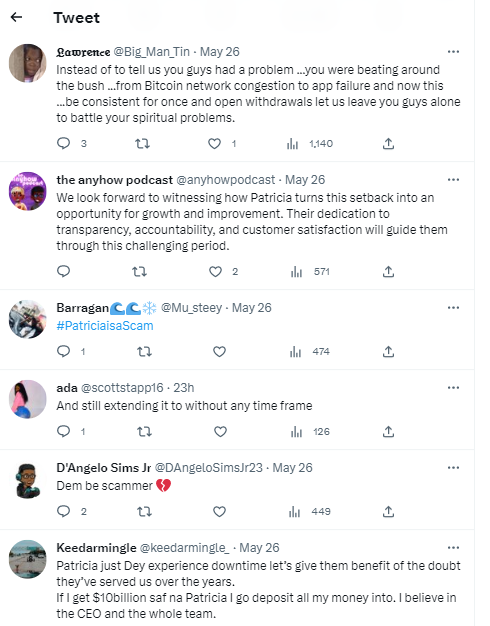
For modern digital services, customer confidence is an existential currency. When whispers of operational vulnerabilities, restricted assets, and leaked internal disclosures first drifted into mobile news feeds, the reaction was immediate and uncompromising. Users did not wait for formal press releases; they mobilized, questioned, and demanded accountability.
The Anatomy of the Leak: What Surfaced and Why Users Reacted
The controversy surrounding Patricia did not happen in a vacuum. It was the culmination of mounting user friction, opaque operational changes, and sudden revelations regarding internal management and security protocols. When confidential information and whistleblown assessments leaked, they confirmed the worst suspicions of an already anxious user base.
At the center of the backlash were three core issues:
- Discrepancies in Asset Security: Disclosures revealed operational disruptions that contradicted earlier reassuring statements, leaving depositors unsure of the safety of their funds.
- Delayed Transparency: Crucial details regarding balance accessibility and security compromises were withheld until external reports forced them into the light.
- Unilateral Solutions: Introducing proprietary recovery mechanisms or tokens without adequate customer consultation alienated users who felt their financial sovereignty had been hijacked.
When financial or personal data security is compromised, consumers expect immediate, unvarnished disclosure. When they receive silence or deflective messaging instead, any eventual leak acts as an accelerant to public fury.
Why Patricia Leaked Triggered Instant Outrage—Mobile News Caught Its Wake Whisper
In traditional corporate cycles, public relations teams had hours, if not days, to evaluate an operational crisis, draft messaging, and control narrative distribution. That era is over. The reality of why Patricia leaked triggered instant outrage—mobile news caught its wake whisper lies in the democratization and speed of modern mobile journalism.
Long before standard financial broadsheets caught wind of the story, grassroots mobile channels were already buzzing. The "wake whisper" refers to that critical window where unverified leaks, screenshots, and internal memos circulate through private chat networks, community message boards, and specialized mobile news aggregators.
The Cascade from Dark Social to Mainstream Push Alerts
The leak followed a predictable, yet unstoppable, path across digital media:
- Private Whispers: Disgruntled employees or observant users first shared anomalies in closed Telegram and WhatsApp discussion groups.
- Mobile Aggregator Pick-Up: Independent tech bloggers and mobile-first reporters picked up the chatter, verifying screenshots and publishing micro-reports optimized for smartphone consumption.
- Viral Amplification: Algorithmic mobile feeds—particularly on X (formerly Twitter) and LinkedIn—amplified the reports, delivering push notifications directly to affected account holders.
- The Crisis Threshold: By the time leadership acknowledged the leak, the mobile sphere had already established the dominant narrative: negligence, opacity, and broken trust.
This rapid transmission eliminated the buffer zone brands traditionally relied on. Mobile news did not just report the aftermath; it broadcast the shockwaves in real time.

The Mechanics of Digital Outrage in the Mobile Age
Outrage is no longer passive. When mobile users receive a push notification alleging that a service they rely on has concealed a breach or operational freeze, the response is tactile and immediate. Users tap directly into app stores to leave one-star reviews, flood support lines, and share screenshots of their account balances.
This phenomenon illustrates the dangerous vacuum created when organizations fail to disclose incidents proactively. When an enterprise chooses institutional silence, the "whisper network" on mobile platforms fills that void with speculative conclusions. Even if subsequent company disclosures clarify that the situation is manageable, the first viral impression remains the emotional anchor for the public.
Financial Sovereignty and the Psychology of Account Freezes
Financial technology and digital asset platforms operate under a much stricter emotional contract than entertainment or lifestyle apps. A glitch in a streaming service causes minor irritation; an unexplained freeze on a wallet or ledger provokes visceral dread.
When the Patricia leaks suggested that customer balances were subject to arbitrary conversions or protracted holding periods, users felt that basic property rights were being compromised. That psychological violation explains why public frustration did not simmer down over time—it escalated into sustained public demonstrations and legal warnings across multiple jurisdictions.
Critical Lessons: How Platforms Must Handle Modern Digital Crises
The fallout from the Patricia disclosures offers essential takeaways for any technology platform handling user funds or critical data. Surviving a crisis requires structural preparedness rather than reactive spin.
- Proactive Disclosure Beats Leaked Truths: An organization that reports its own vulnerabilities maintains control of the context. If the market discovers a flaw through an unauthorized memo or mobile scoop, leadership automatically enters the conversation on the defensive.
- Speed Is the Only Counter to the Whisper: Monitoring social listening streams and dark-social sentiment allows communication teams to spot the initial whisper before it becomes an unmanageable roar.
- Avoid Unilateral Remediation: Forcing users into proprietary debt instruments, converted tokens, or arbitrary recovery schedules without open dialogue will invariably be perceived as an evasion of responsibility.
- Direct-to-User Communication: Push notifications must be used to provide transparent status updates to active users, rather than relying exclusively on buried blog posts or delayed press statements.
Final Verdict: Rebuilding When the Whisper Becomes a Roar
The Patricia incident underscores an immutable rule of the modern internet: secrecy has a remarkably short shelf life. When user equity and operational integrity are at stake, mobile networks will inevitably discover, document, and distribute the truth.
Ultimately, the instant outrage ignited by the leak was not merely a reaction to technical difficulties or financial setbacks; it was a referendum on transparency. Organizations seeking to operate in today's interconnected landscape must recognize that reputation cannot be preserved through gatekeeping. In an ecosystem where every smartphone functions as a printing press, radical honesty is the only viable defense against the devastating wake of an uncontained leak.