Why Sheismichaela Leak's Data Leak Is Surging
In the fast-paced ecosystem of modern social media, digital privacy breaches and viral rumors often travel faster than verified news. Recently, internet users scrolling through their feeds have noticed a massive uptick in content regarding a specific online personality. Specifically, This Is Why Sheismichaela Leak’s Data Leak Is Surging on Discover has become a prominent point of discussion across search engines and aggregators.

Understanding why this topic is suddenly dominating algorithmic feeds requires looking closely at how recommendation platforms like Google Discover operate. It also highlights the broader vulnerabilities content creators face regarding digital security, privacy violations, and sensationalized online gossip.
The Mechanics of Google Discover and Viral Trends
Google Discover delivers personalized content to millions of mobile users based on their search history, interests, and real-time trending topics. When a particular topic experiences a sudden surge in search volume, the algorithm often amplifies it to satisfy user curiosity.
However, this automated curation process does not always differentiate between verified journalism, speculation, and harmful privacy leaks. Several factors explain why specific queries trend rapidly:
- Sudden Spikes in Search Volume: When a rumor breaks on platforms like TikTok, X (formerly Twitter), or Reddit, thousands of users simultaneously search for the keywords on Google.
- Algorithmic Feedback Loops: Once an article or forum thread about a leak gains initial traction, the algorithm treats it as high-interest content, pushing it to an even wider audience on Discover.
- Sensationalized Headlines: Clickbait framing often capitalizes on curiosity, driving high click-through rates that further validate the trend within the recommendation engine.
How Algorithmic Amplification Misleads Users
The surge of the Sheismichaela data leak on Discover demonstrates a recurring flaw in automated content curation. Users often mistake the presence of a topic on a major platform's newsfeed as proof of its legitimacy or importance.
In reality, many articles appearing in these feeds are simply recycling unverified claims or driving traffic to low-quality sites using SEO manipulation. This phenomenon underscores the importance of media literacy in navigating algorithmic recommendations.
The Reality Behind Digital Privacy Breaches

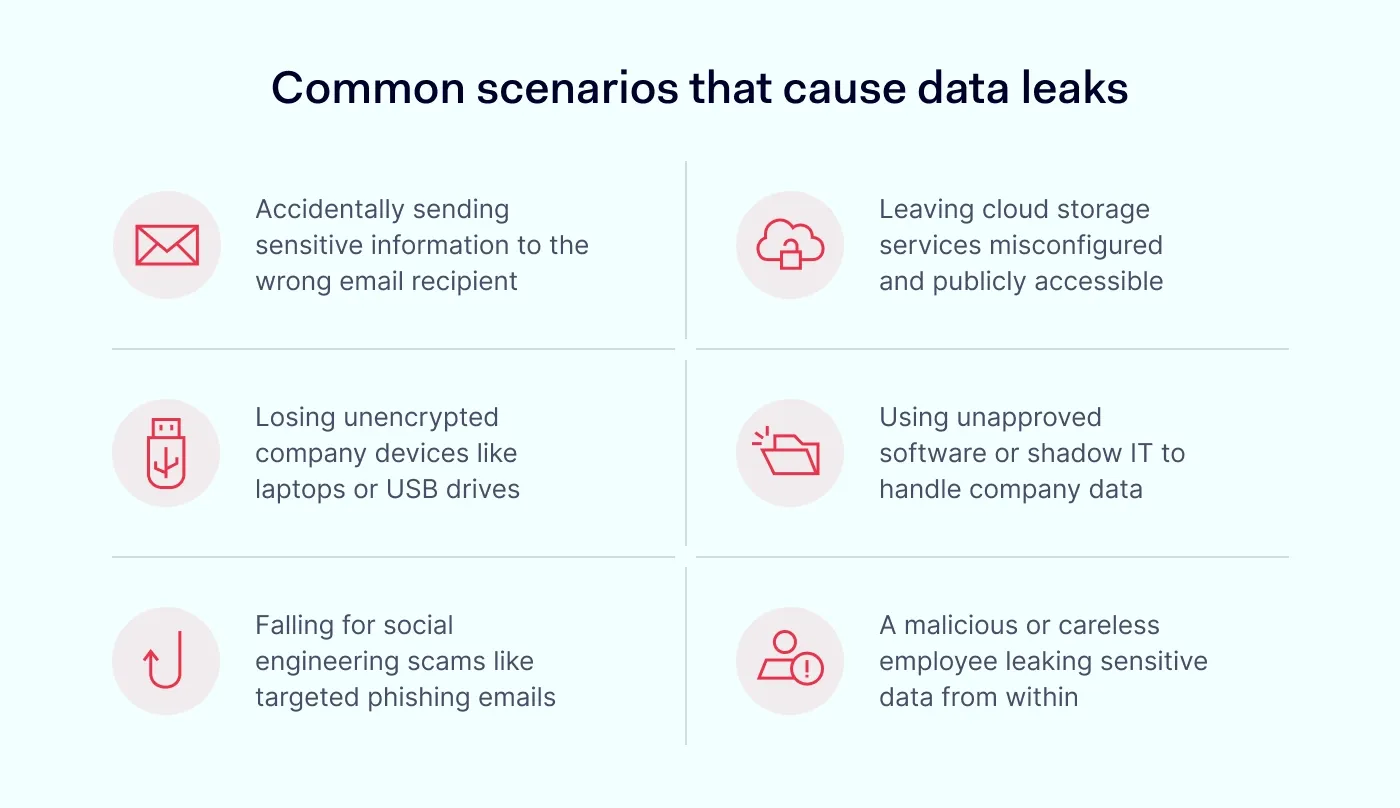
For online creators, the threat of unauthorized data exposure is a persistent hazard. Whether involving hacked accounts, leaked private media, or fabricated controversies, the impact on a creator's mental health and professional life can be severe.
When a term begins trending, it often triggers a cycle of harassment and speculation. Creators frequently find themselves forced to issue public statements to debunk false narratives or address genuine security compromises.
Why Public Curiosity Outpaces Ethics
The human appetite for gossip and exclusive content often drives high engagement metrics. Search engines and social media platforms are engineered to reward engagement, regardless of whether that engagement stems from positive interest or exploitative curiosity.
- Anonymity Fuels Demand: Users searching for leaked or private content often feel insulated by the anonymity of their screens.
- Platform Monetization: Shady websites frequently exploit trending search terms by creating fake landing pages designed to harvest user data or serve aggressive advertisements.
- Lack of Immediate Moderation: Automated systems are notoriously slow at flagging and suppressing non-consensual content or defamatory rumors before they achieve viral status.
Protecting Creator Privacy in the Digital Age
The ongoing visibility of incidents like the Sheismichaela situation serves as a stark reminder of the fragile nature of online security. Both platforms and individual users must adopt proactive measures to mitigate these risks.
Creators are increasingly utilizing advanced multi-factor authentication, secure cloud storage, and legal channels to issue takedown notices for unauthorized material. Meanwhile, tech platforms face mounting pressure to refine their algorithms to prevent privacy-invasive queries from being aggressively promoted on feeds like Google Discover.
Conclusion
The rapid spread of the Sheismichaela data leak across recommendation engines is a textbook example of how modern algorithms can inadvertently amplify unverified and invasive content. As digital platforms continue to evolve, understanding the mechanics behind these surges is crucial for maintaining a safer, more ethical online environment for creators and consumers alike.