Why So Many Are Turning to MyCaseIndiana
Finding court records used to mean taking time off work, driving to a county courthouse, waiting in line at the clerk's office, and paying per-page copy fees. Today, the judicial landscape in Indiana looks drastically different. As digital government services continue to evolve, it is easy to see why so many are turning to MyCaseIndiana as their primary window into the state’s legal system. The online portal provides fast, free, and comprehensive access to public court records across nearly all of Indiana's 92 counties.

Whether you are an individual tracking a pending traffic ticket, a business vetting a prospective partner, or simply a curious citizen keeping tabs on local proceedings, MyCase (accessible via mycase.in.gov) has become an indispensable digital tool. Below, we examine what the platform is, why its popularity has surged, and how you can use it effectively.
What Is MyCaseIndiana?
MyCase is the public access portal for the Indiana Supreme Court’s Odyssey Case Management System. Managed by the Indiana Office of Judicial Administration (IOJA), the system centralizes trial and appellate court dockets into a unified, searchable web directory. Historically, county courts maintained siloed filing systems, meaning an individual with a small claims case in Marion County and an infraction in Hamilton County would require searches in two completely separate databases.
By connecting almost every circuit, superior, city, and town court in Indiana into one interface, MyCase standardizes civil, criminal, family, and traffic records, giving Hoosiers an unprecedented level of judicial accessibility.
The Core Reasons Why So Many Are Turning to MyCaseIndiana
The platform's rising adoption is driven by convenience, financial savings, and a broader cultural shift toward government transparency. Several distinct factors explain its popularity:
1. Complete Absence of Paywalls
Unlike federal court records (which rely on the paid PACER system) or background check databases that charge monthly subscription fees, MyCaseIndiana is entirely free to use. Users do not need to register an account, enter credit card information, or purchase credits to view case summaries, chronologies, or hearing schedules. This open-access model removes financial barriers for everyday litigants defending their own rights.
2. Real-Time Docket Updates
Courts operating on the Odyssey network update electronic dockets rapidly. When a judge signs an order, a prosecutor files charges, or a defense attorney enters an appearance, those docket entries typically appear on the public portal shortly after being processed by the clerk. For defendants and civil litigants, this reduces anxiety by providing immediate updates on hearing dates, bond amounts, and official rulings.
3. Modern Convenience for Legal Professionals
Attorneys, paralegals, and legal investigators rely heavily on MyCase for preliminary case assessments. Rather than waiting on clerks to fax or mail paper files, legal teams can review an opposing party's litigation history, check for active warrants, verify service of process, and review previous judgments in seconds. This speed translates to lower administrative overhead and faster turnaround times for clients.
Video: Mycase.in.gov Indiana Login & Court Records ⏬👇

4. Essential Due Diligence for Landlords and Employers
Small business owners and independent landlords frequently use MyCase as a preliminary screening tool. While it is not a substitute for a formal, Fair Credit Reporting Act (FCRA)-compliant background screening service, it allows users to cross-reference public records for civil judgments, past eviction actions, or recent criminal convictions within the state of Indiana.
What Information Can You Find on the Portal?
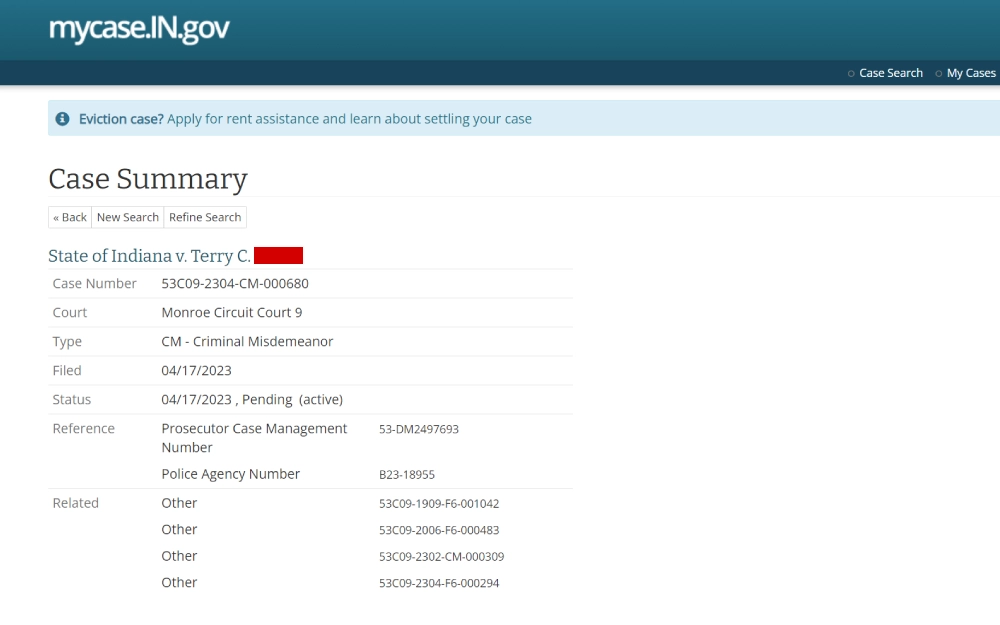
MyCase provides substantial detail regarding most non-confidential proceedings. When viewing a specific case, you will typically find:
- Case Summary: The case number, court location, presiding judicial officer, case type (e.g., Small Claims, Level 6 Felony, Domestic Relations), and current status (Open, Disposed, Decided).
- Party Information: Names of plaintiffs, defendants, petitioners, respondents, and their respective legal counsel.
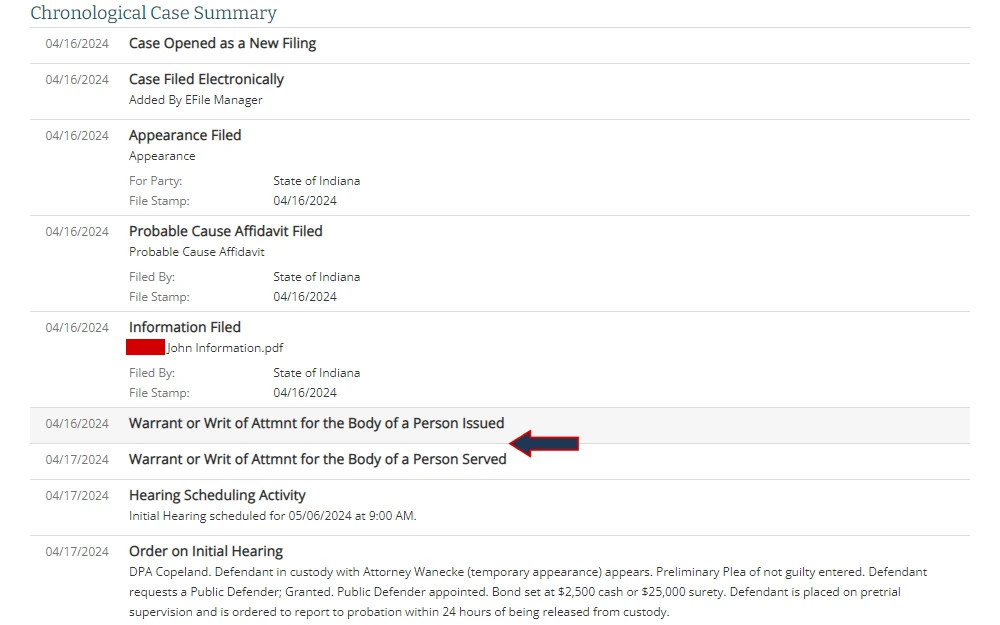
- Chronological Case Summary (CCS): The official legal ledger detailing every event in chronological order—filings, motions, court orders, minute entries, and hearing outcomes.
- Financial Information: Details regarding assessed court costs, fines, restitution payments, and outstanding balances.
- Calendar: Upcoming court appearances, pretrial conferences, and trial dates.
What Records Are Excluded?
While the system offers extensive transparency, it does not display everything. Access is governed by Indiana Rules on Access to Court Records (formerly Administrative Rule 9), which protects sensitive personal data and specific vulnerable populations. Information you will not find on MyCase includes:
- Juvenile delinquency and child in need of services (CHINS) cases.
- Adoption and paternity records that have not been designated public.
- Mental health commitment proceedings.
- Expunged criminal records (which are removed from public view once an expungement petition is granted).
- Confidential personal identifiers, such as Social Security numbers, bank account figures, and specific victim addresses.
Tips for Searching MyCaseIndiana Effectively
To get the most accurate results when navigating the database, keep these best practices in mind:
- Use Exact Names or Soundex: If you are unsure of the spelling of an individual's last name, you can use partial spellings or activate search filters that account for phonetic similarities.
- Filter by County: Searching a common name statewide can generate hundreds of records. If you know the jurisdiction where the event occurred, narrow your search to that specific county or court to save time.
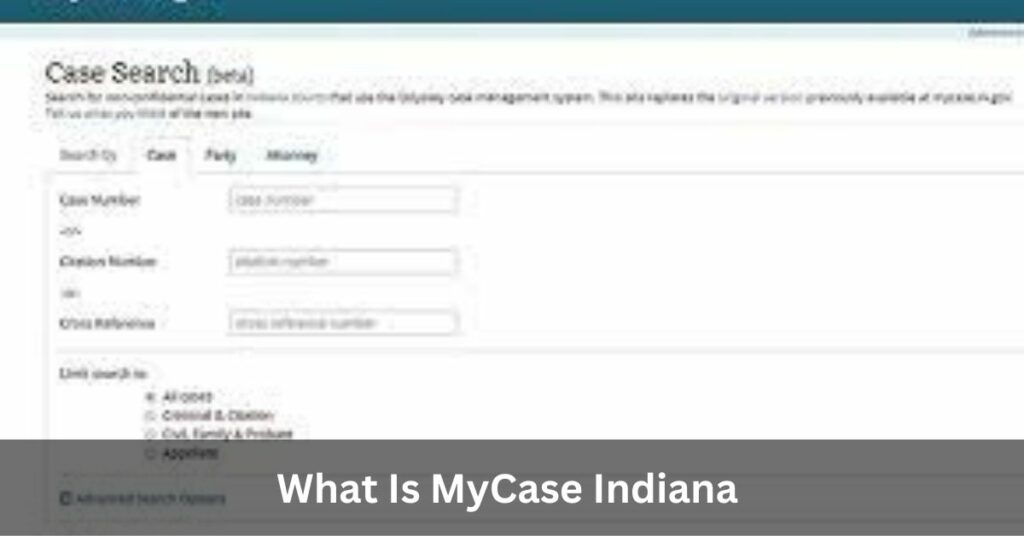
- Search by Case Number: If you possess the uniform 16-character Indiana case number (e.g., 49D01-2301-PL-000123), entering it directly yields the exact record immediately.
- Check the Case Type Code: Understanding standard Indiana court abbreviations helps you instantly identify what a case is about without opening every file. Common codes include MC (Miscellaneous Criminal), F6 (Level 6 Felony), IF (Infraction), SC (Small Claims), and DC (Domestic Relations with Children).
Understanding the Limits of Public Record Searches
It is important to remember that records on MyCaseIndiana are informative but do not constitute official certified copies. If you need a verified document for passport renewal, real estate closing, or official out-of-state judicial proceedings, you must still request a certified, stamped document directly from the county clerk.
Additionally, users should exercise caution to avoid misidentifying individuals. In a state of nearly seven million residents, many people share identical first and last names. Verifying birth years and middle initials against case details is essential to avoid mistaken conclusions.
A New Standard for Judicial Accessibility
The widespread adoption of MyCase reflects a broader expectation for modern government: public systems should be clear, reachable, and transparent. By dismantling physical and financial barriers to courthouse files, the platform gives individuals the tools they need to stay informed, prepare for legal proceedings, and hold the state’s judicial institutions accountable. For anyone living or operating a business in Indiana, knowing how to navigate this free resource is more valuable than ever.