Why Specificity Matters When Investigating Chat Leaks
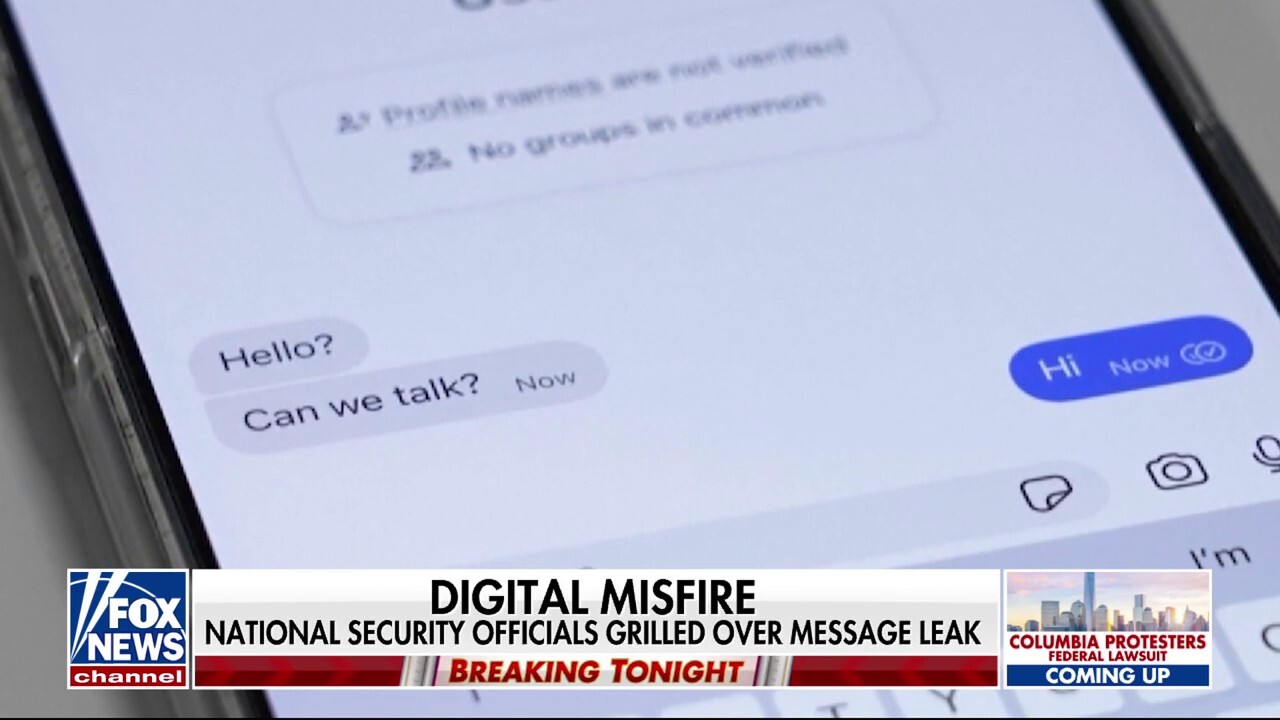
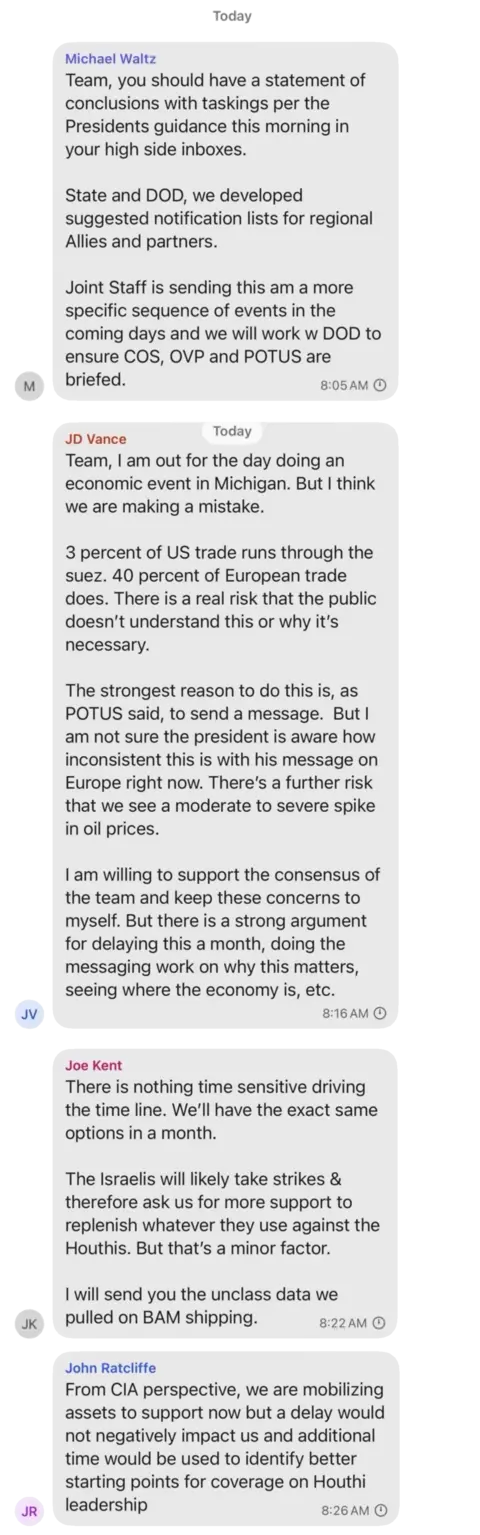
In the digital age, private conversations are increasingly vulnerable to exposure. Whether involving high-profile corporate espionage, political scandals, or personal privacy violations, leaked messaging data regularly makes headlines. However, when analysts, journalists, and security experts examine these incidents, a broad approach often leads to dangerous errors. Success in these investigations relies entirely on specificity: focus on “chat leaks” to understand the mechanics, boundaries, and true implications of data exposure.
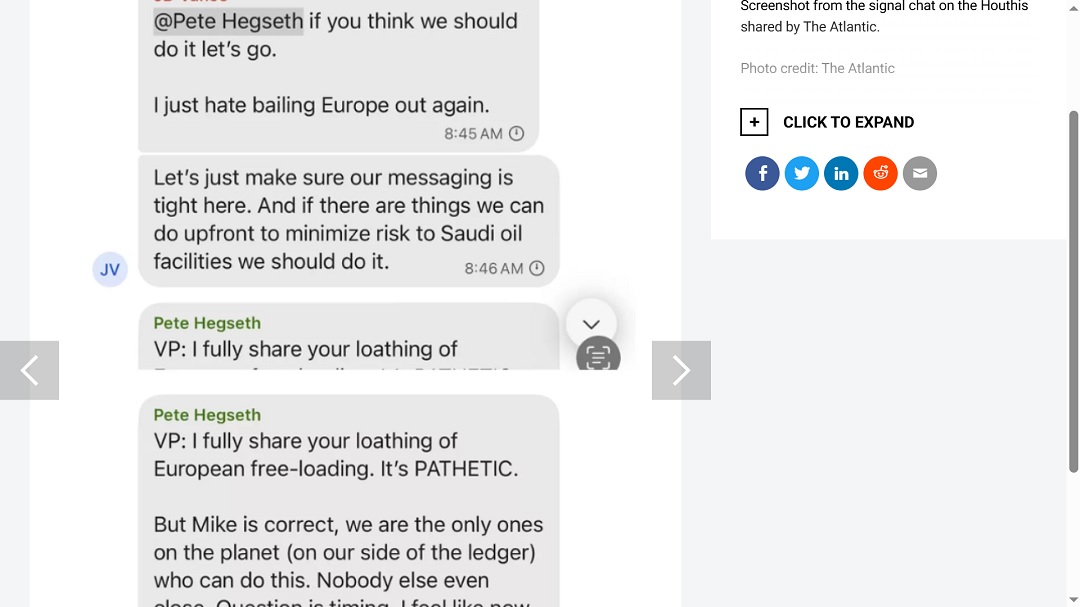
Without a targeted, specific approach, investigations risk spiraling into speculation, damaging reputations unfairly, and missing the actual vulnerabilities that caused the breach. This guide explores why specificity is non-negotiable when dealing with chat leaks and how to apply a rigorous framework to digital communication forensics.
The Dangers of Generalization in Data Breaches
When a massive archive of messages hits the public domain, the initial reaction is often sensationalism. Media outlets and casual observers tend to treat the entire dump as a monolithic block of absolute truth. This generalization creates significant collateral damage.
Chat leaks rarely represent a complete, objective narrative. Instead, they are fragmented snapshots of human communication. By painting an entire leak with a broad brush, investigators ignore crucial nuances such as:
- The temporal context of specific conversations
- The dynamic between the participants (e.g., sarcasm, venting, or roleplay)
- Potential tampering, fabrication, or selective editing by the leaking party
Focusing on the broad concept of a "breach" obscures the specific technical vectors and human errors that allowed the messages to escape in the first place.
Specificity: Focus on “Chat Leaks” for Better Forensics
To extract actionable intelligence and protect innocent parties, professionals must narrow their scope. When you focus specifically on chat leaks rather than general data breaches, your methodology changes significantly. Here is how specificity alters the investigative process.
1. Isolating the Vector of Compromise
Not all messaging platforms are created equal. An end-to-end encrypted app like Signal behaves differently from a cloud-backed platform like Slack or WhatsApp. Specificity requires identifying the exact entry point of the leak:
- Was it an endpoint compromise (a hacked phone or laptop)?
- Was it a cloud backup misconfiguration?
- Did an insider intentionally export and share the chat logs?
Answering these precise questions prevents organizations from applying generic patches that fail to fix the real vulnerability.

2. Preserving Context and Metadata
Chat messages are notoriously brief, often relying on shorthand, emojis, and threaded replies. A general review often strips away vital metadata. Specificity demands a forensic examination of timestamps, message edits, deletion logs, and cryptographic signatures if available.
Without this granular focus, investigators risk misinterpreting out-of-context statements as malicious intent or corporate policy violations when they were merely casual banter.
3. Mitigating Privacy Violations
Mass chat leaks frequently expose the data of bystanders—individuals who had nothing to do with the core controversy but happened to be in the same group chat or direct message thread. A specific, targeted review allows security teams to redact and protect non-relevant personal identifiable information (PII), minimizing further harm.
Best Practices for Analyzing Leaked Messaging Data
If your role requires you to evaluate or respond to a chat leak, adopting a strict, methodical approach is essential. Follow these best practices to maintain integrity and accuracy:
- Verify Authenticity First: Never assume leaked screenshots or database exports are genuine. Look for cryptographic proofs, platform-specific formatting markers, and corroborating metadata.
- Establish a Chain of Custody: If you are handling raw data files, document every access and analysis step to ensure the data remains legally and forensically sound.
- Resist the Urge to Speculate: Stick strictly to what the text explicitly demonstrates. Do not fill in conversational gaps with assumptions about what participants "probably meant."
- Consult Legal and Ethical Guidelines: Processing and publishing private chat logs often crosses legal and ethical boundaries. Ensure compliance with local privacy laws, such as GDPR or CCPA, before distributing findings.
Conclusion
The modern landscape of digital communication ensures that message exposure will remain a persistent threat. However, how we respond to these incidents defines the quality of our digital security and journalism. By prioritizing specificity: focus on “chat leaks” rather than sensationalized generalizations, allowing investigators to uncover facts, protect innocent bystanders, and secure the vulnerabilities that let the data out in the first place.