Why That One Will Lewis Clip Hit Us All So Hard
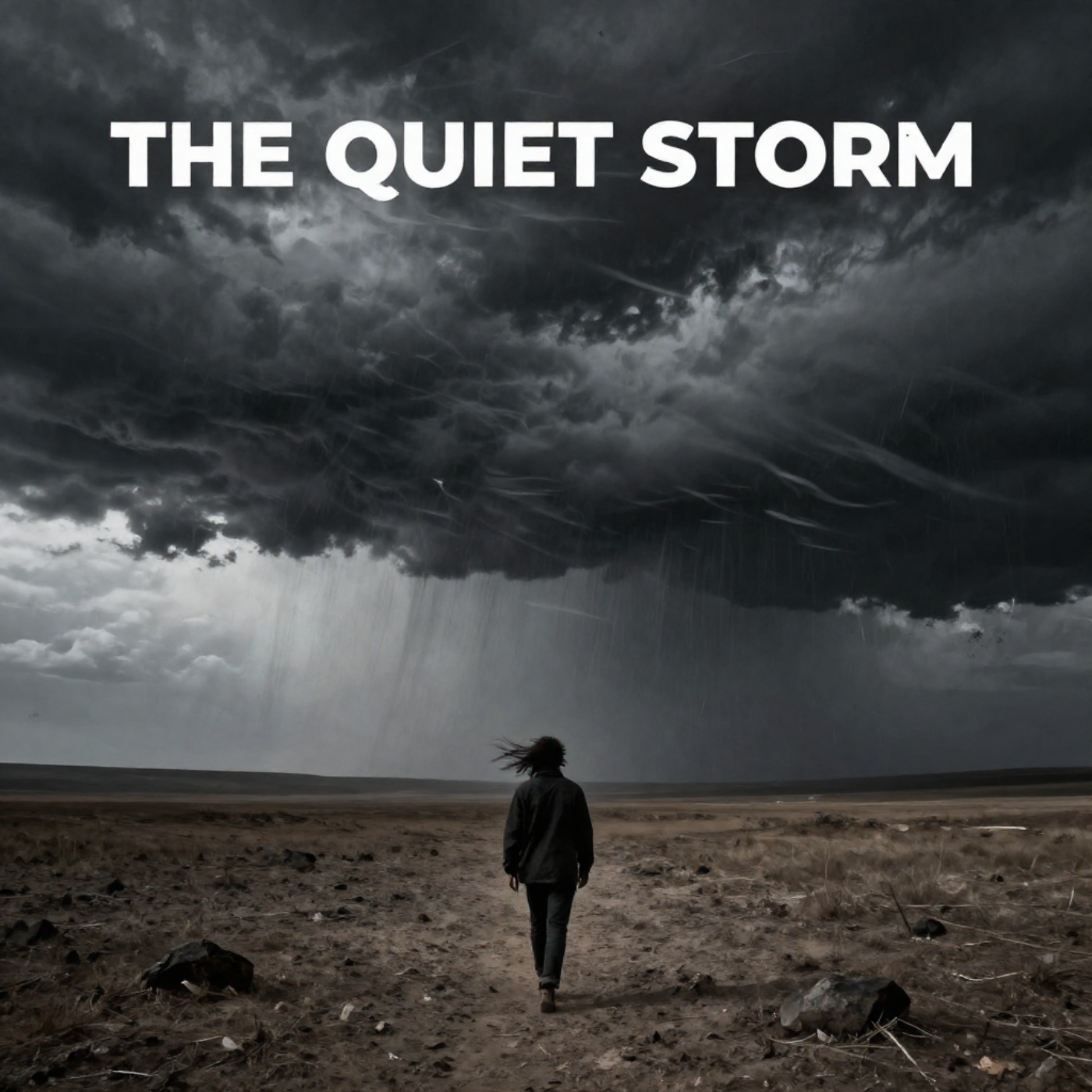
In the digital age, we scroll through thousands of micro-moments every single day. Most of them wash over us, leaving no lasting impression. Yet every so often, a piece of media stops the collective scroll, capturing our attention and refusing to let go. That phenomenon is precisely what happened with The Quiet Storm: Why One Will Lewis Clip Hit Us All So Hard. It wasn't just another fleeting internet meme or a manufactured viral stunt; it was a rare convergence of raw human emotion, timing, and unspoken cultural weariness that struck a nerve globally.
The Anatomy of a Viral Resonance
To understand why this specific clip resonated so profoundly, we have to look past the surface-level metrics of views, likes, and shares. Viral content usually relies on shock value, extreme humor, or outrage. This clip, however, operated on an entirely different frequency. It was understated, measured, and deeply grounded in reality.
When audiences encountered the footage, they weren't just watching a public figure or a media personality; they were witnessing a moment of unscripted authenticity. In a media landscape heavily saturated with polish, PR training, and performative outrage, genuine vulnerability stands out like a beacon. The sheer contrast between the manufactured noise of modern broadcasting and this quiet, grounded moment is what initially drew viewers in.
Breaking Down the Key Elements
Several distinct factors converged to make this moment unforgettable:
- The Element of Surprise: Viewers expected routine commentary, only to be met with something much deeper and more introspective.
- Non-Verbal Cues: Pauses, body language, and tone communicated far more than the actual spoken words.
- Relatability: The underlying sentiment mirrored the quiet exhaustion and resilience many people feel in their daily lives.
Why We Crave Authenticity
Modern audiences have developed a sophisticated radar for artificiality. We can spot a staged PR apology, a rehearsed soundbite, or a clickbait headline from a mile away. Because we are constantly marketed to, our default state when consuming media is skepticism.
When a moment breaks through that skepticism, it feels like a glass of cold water. The Will Lewis clip succeeded because it bypassed our intellectual defenses. It didn't ask for our agreement or demand our outrage; it simply presented a human being dealing with complexity in real time. That lack of pretense invited empathy rather than debate.

The Role of Social Media Echo Chambers
Another reason the clip had such a seismic impact is the way contemporary platforms distribute content. Instead of being confined to a single news broadcast or a niche channel, the clip was ripped, shared, remixed, and discussed across TikTok, X (formerly Twitter), and YouTube Shorts.
In each ecosystem, users projected their own interpretations onto the moment. For some, it was a symbol of professional resilience. For others, it represented the emotional toll of public life. This versatility allowed the clip to transcend its original context and become a blank canvas for collective processing.
The Psychology of the 'Quiet Storm'
Psychologists often note that quiet intensity is far more persuasive and haunting than loud confrontation. When someone raises their voice, we naturally put up our guard. When someone remains steady, measured, and calm amidst chaos, we lean in closer.
This dynamic explains the 'quiet storm' effect. The emotional weight of the clip wasn't delivered through theatrical outbursts or dramatic declarations. It came from the heavy silence between the words. Viewers filled in those blanks with their own experiences, effectively making the viral moment deeply personal. It wasn't just about what happened to Will Lewis; it was about what the viewer was currently going through in their own life.
Conclusion: What the Moment Leaves Behind
As internet trends cycle faster and faster, most viral moments are forgotten within a week. Yet, moments like this linger because they touch on something fundamentally human. They remind us that behind every screen, every headline, and every broadcast, there are real people navigating complex realities.
Ultimately, the reason the clip hit us so hard is simple: it reflected our shared need for honesty, stillness, and genuine connection in a noisy world. It proved that sometimes, the quietest voices make the deepest impact.