Why the Delphi Murders Crime Scene Remains Unsolved
On February 13, 2017, teenagers Liberty German and Abigail Williams went for a hike along the Monon High Bridge Trail in Delphi, Indiana. Hours later, they failed to meet family members for pickup, sparking a massive search. The following day, their bodies were discovered in a rugged, wooded area near Deer Creek. The brutal nature of the crime and the eerie digital trail left behind—including a video and audio recording of the suspected killer captured on Liberty German's smartphone—immediately thrust the case into the national spotlight.

Years have passed, and while an arrest has been made, public fascination, legal battles, and lingering questions persist. To truly understand the complexity of the case, one must examine why the Delphi murders crime scene and the surrounding investigation have presented such extraordinary hurdles for law enforcement, prosecutors, and defense teams alike.
5 Reasons Why the Delphi Murders Crime Scene Remains Unsolved
Investigating a double homicide involving minors in a rural Midwestern town is an immense challenge. While Richard Allen was arrested and charged in October 2022, the path to justice has been fraught with evidentiary debates, third-party suspect theories, and procedural hurdles. Below are five fundamental reasons the case and its physical evidence continue to fuel intense public debate and legal scrutiny.
1. Extreme Isolation and Rugged Terrain
The geography of the crime scene played a major role in shielding the perpetrator and complicating the initial response. The Monon High Bridge and the surrounding banks of Deer Creek are surrounded by dense woods, steep embankments, and rural acreage.
- Delayed Discovery: Because the area is secluded, the girls were not found until the morning after they went missing, giving the killer a significant head start to flee the area, dispose of evidence, or establish an alibi.
- Environmental Contamination: Weather conditions in mid-February Indiana—ranging from melting snow to rain and mud—can quickly degrade footprints, DNA traces, and other transient physical evidence left in an outdoor setting.
2. Limited and Contested Forensic Evidence
Unlike indoor crime scenes where forensic investigators can easily isolate DNA, fibers, and fingerprints, outdoor environments pose severe collection challenges. Law enforcement has historically played their cards close to their chest regarding what physical evidence was actually recovered near the bodies.
Defense attorneys in the case have frequently raised questions about the integrity of the evidence collection, pointing to missing notes, mismanaged tips in the massive computerized database, and alternative theories regarding who had access to the property. When physical evidence is scarce or heavily debated, building an airtight case beyond a reasonable doubt becomes exceptionally difficult.
3. The Shift in Investigator Profiles and Public Messaging
Video: Delphi case remains unsolved 5 years later

Over the multi-year investigation, the public face and strategy of Indiana law enforcement shifted dramatically, which created confusion among both the public and amateur sleuths.
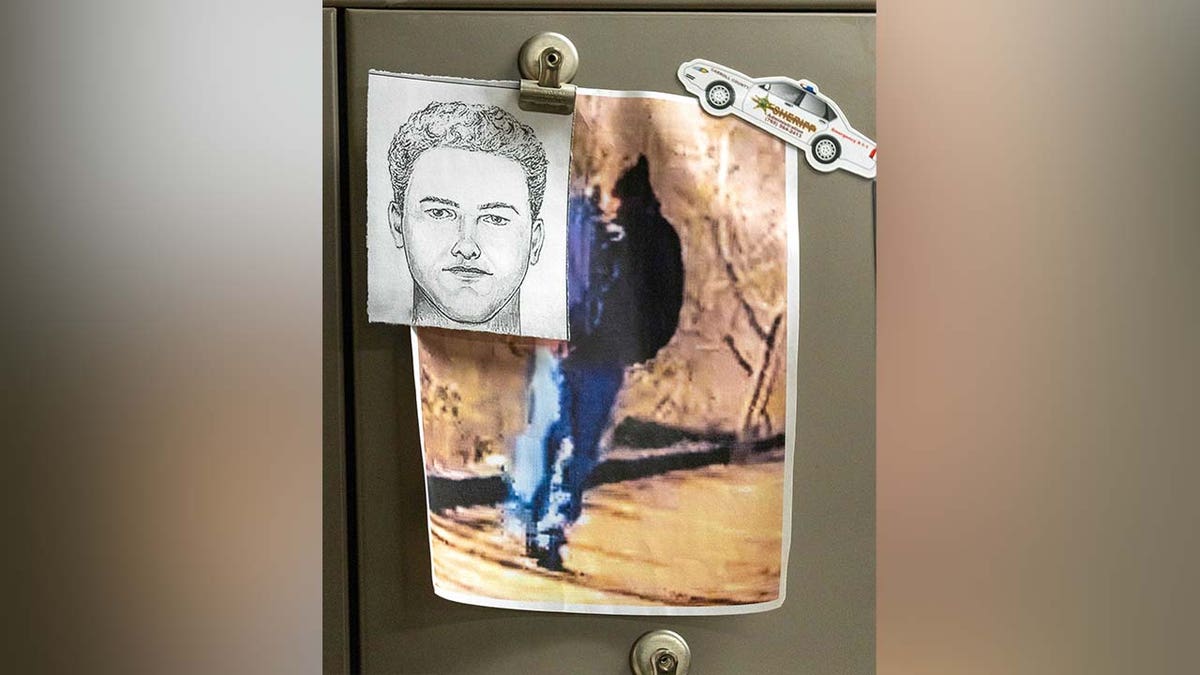
Initially, police released a sketch of a younger man based on witness descriptions. Years later, they released a completely different sketch—depicting a younger, curly-haired male—and stated that the original sketch of an older man was no longer the primary focus. This pivot created public bewilderment. Furthermore, investigators withheld crucial details, such as specific cause-of-death information and signatures left at the scene, arguing it protected the integrity of the investigation but ultimately leaving the public guessing for over half a decade.
4. The Overwhelming Influx of Tips and Misinformation
The Delphi case became one of the first massive true-crime cases fueled entirely by the modern internet era, social media sleuthing, and true-crime podcasts. Law enforcement received tens of thousands of tips from all over the world.
While citizen tips are vital, an overwhelming volume of unverified information, internet rumors, and conspiracy theories can swamp an investigative agency. Detectives had to spend countless hours sorting through digital noise, false confessions, and lookalike suspects. This massive administrative burden may have delayed investigators from zeroing in on crucial clues sooner.
5. Complex Legal Arguments and Third-Party Theories
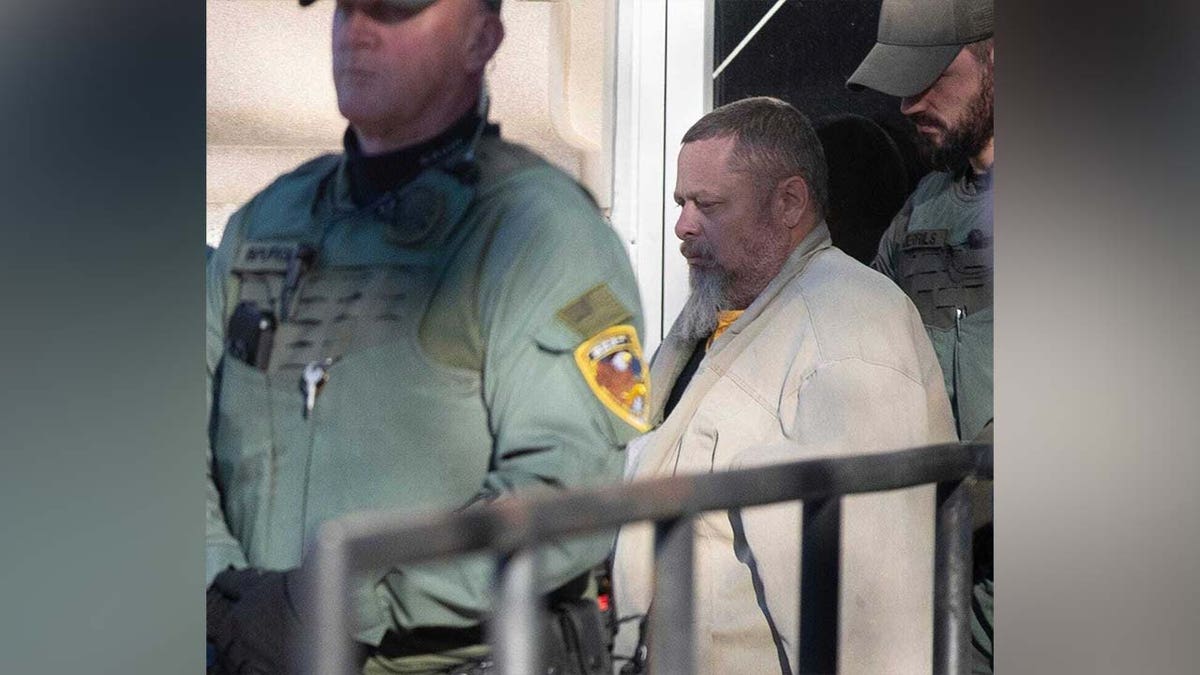
Even after an arrest, the journey through the judicial system has been uniquely contentious. The defense team for Richard Allen put forward alternative theories suggesting that the murders were ritualistic sacrifices committed by a local fringe group, pointing fingers away from their client.
While prosecutors strongly disputed these claims, the introduction of complex third-party culpability arguments creates potential reasonable doubt for a jury. Navigating these intricate legal motions, evidentiary hearings, and challenges regarding the handling of confessions and jailhouse informants ensures that the shadow of doubt surrounding the original crime scene persists even through trial proceedings.
Conclusion
The tragedy in Delphi, Indiana, remains a haunting chapter in American true-crime history. From the challenges of an isolated outdoor environment to shifting police sketches, a mountain of digital noise, and fierce legal battles over evidence, the case illustrates just how difficult it is to secure justice in complex, circumstantial murder investigations. As the legal process continues to unfold, the haunting image of the Monon High Bridge and the memory of Liberty German and Abigail Williams continue to demand answers.