Why the Fan Bus Shifts Your Mobile News Beyond Fandom
When hundreds of passionate supporters board a chartered coach for a cross-country match or concert tour, they carry more than scarves, flags, and vocal cords. They carry smartphones connected to high-speed cellular networks, turning every mile of the journey into a decentralized broadcast. This dynamic explains why the fan bus shifts your mobile news beyond fandom, transforming conventional scorecards and celebrity gossip into real-time ground reports on transit bottlenecks, regional municipal policy, and civic infrastructure.

Mobile feeds have traditionally separated leisure interests from hard news. You check sports apps for box scores and news aggregators for national affairs. However, collective physical movements—best exemplified by the organized fan bus—are breaking down these artificial silos. As mobile algorithms reward immediacy, hyper-local observation, and collective video streaming, traveling supporters are inadvertently redefining how breaking news reaches our screens.
The Evolution from Supporter Transit to Ground-Level Dispatch
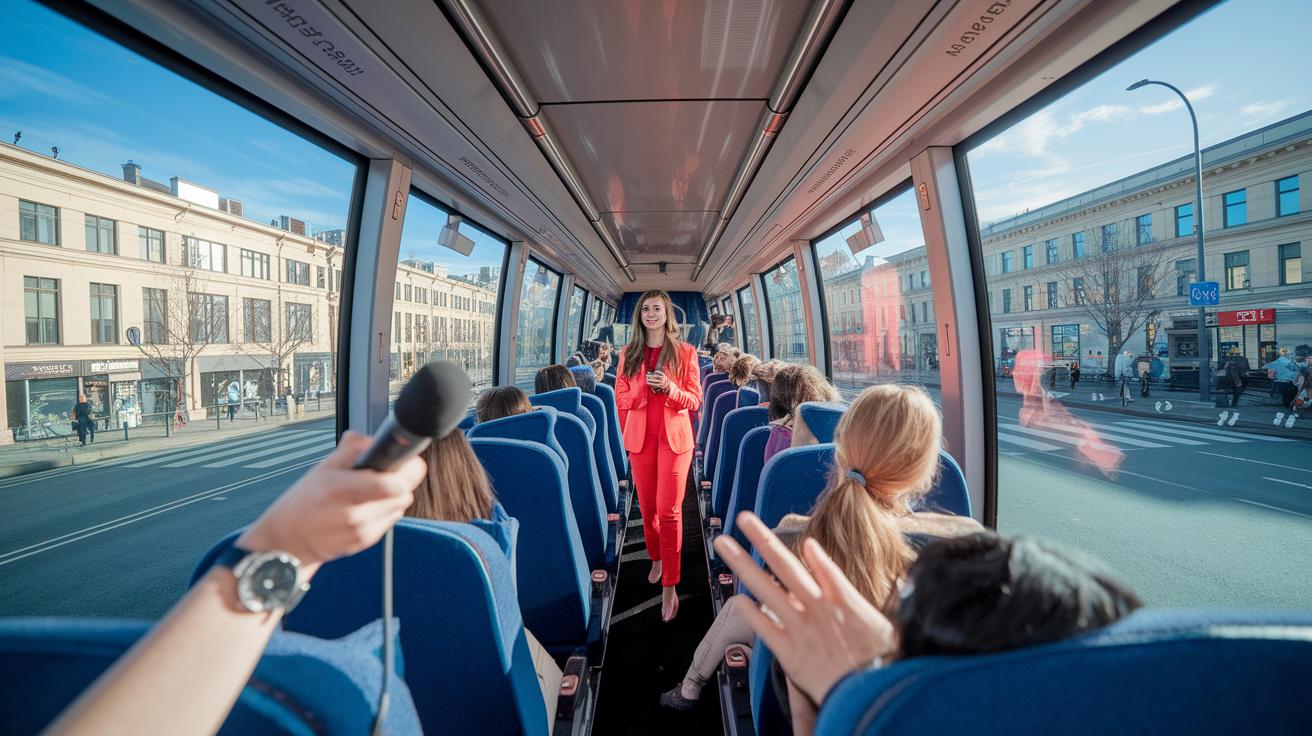
Historically, away-game travel was an insular experience. Fans exchanged banter, sang chants, and read matchday programs in isolation until they reached the turnstiles. Today, an organized fan bus operates as a roaming, multi-camera media room. The moment a fleet of buses encounters highway closures, unexpected border delays, or heavy-handed local policing, participants document every nuance in real time.
This instantaneous micro-journalism bypasses traditional editorial gatekeepers. When a highway bridge closes unexpectedly or toll booths malfunction, local news outlets often lag by thirty to sixty minutes. Meanwhile, dozens of mobile users on a single fan convoy have already mapped the detour, broadcasted aerial drone footage from the roadside, and published live video feeds to social media. Fandom provides the emotional fuel, but the output is pure civic reporting.
Why the Fan Bus Shifts Your Mobile News Beyond Fandom
The primary reason this phenomenon transforms your news intake is that large-scale human transit inherently collides with public infrastructure. When traveling fan groups move en masse, their digital footprint highlights systemic issues that everyday commuters and distant newsrooms overlook.
- Urban and Transit Diagnostics: Fan convoys immediately stress-test highway capacity, parking management, and electric vehicle charging corridors. When these systems break down, fan dispatches serve as early warning alerts for the broader public.
- Municipal Economics: Supporters document real-world economic conditions along their routes, from arbitrary surge pricing at rest stops to the revitalization of small towns situated just off major travel corridors.
- Public Safety and Policing Protocols: Encounters between organized fan groups and municipal law enforcement reveal regional differences in crowd control, surveillance use, and civil liberties, bringing serious oversight issues straight into algorithmic news feeds.
By capturing these intersections, mobile updates that appear under a sports or music tag frequently morph into lead stories on regional logistics, public safety, and consumer advocacy.
Highlighting Blind Spots in Traditional Media
Newsrooms facing shrinking budgets rarely station reporters along regional transport arteries or outside peripheral railway junctions on weekend afternoons. Fan buses, however, travel precisely along these neglected routes. When severe weather hits, fan groups are often the first to publish clear, geo-tagged footage of flash flooding, black ice, or fallen trees. Ordinary mobile users monitoring regional hashtags find actionable transit news hours before legacy outlets update their traffic maps.
Video: Passing the phone to cast of the must-see live show of the summer! DZWorldsCollideTour
How Algorithm Mechanics Amplify Travel Hubs
Algorithmic news platforms are built to detect velocity, engagement density, and location clusters. When forty people on a single bus simultaneously post about an unexpected transit standstill or a standoff at an arena gate, the platform’s recommendation engine identifies a high-priority geographic event. The resulting posts are pushed out to non-fans living in the same geographic radius because the content meets the criteria for breaking public interest news.
The Intersection of Supporter Mobility and Digital Activism
Supporter travel has also become an unexpected vehicle for social and political awareness. Groups coordinating long-distance travel frequently use their platforms to discuss labor strikes that affect their travel, environmental concerns tied to private bus lines, and fair ticketing practices.
Consider instances where railway or coach workers participate in industrial action. Fan bus networks must coordinate around these strikes, forcing their member networks to analyze labor agreements, service cancellations, and state transport policies. What begins as a conversation about whether supporters will make kickoff turns into an in-depth explainer on public sector labor disputes, shared across messaging apps and timeline feeds.
- Direct Eyewitness Context: Fans capture unedited footage of demonstrations, transit shutdowns, and weather events from the road.
- Decentralized Distribution: Supporter content is cross-posted across WhatsApp groups, Telegram channels, TikTok, and X, ensuring that censorship or platform outages do not throttle the story.
- Civic Engagement: Exposure to varied municipal policies across jurisdictions prompts traveling fans to compare local governance models publicly on their mobile channels.
How Mobile Consumers Can Better Read the Feed
To extract value from this shift, mobile news consumers should re-evaluate how they interpret fan-generated updates. Dismissing away-day travel threads as trivial banter means missing out on some of the fastest, most authentic localized reporting available online.
Pay close attention to verified geo-tags and timestamps from supporter accounts during major travel weekends. Notice how transit agencies and municipal bodies often respond to fan bus complaints before issuing public press releases. These threads provide an unvarnished look at how institutions function under sudden logistical strain.
A New Frontier for Decentralized Mobile Information
The convergence of passionate fan networks, modern telecommunications, and real-time social algorithms has fundamentally altered the role of the traveling supporter. The fan bus is no longer just a vehicle carrying spectators to an event; it is an active, mobile observation post. As legacy news continues to adapt to decentralized platforms, the live reporting generated from coach seats and rest stops will increasingly bridge the gap between leisure interest and essential public information.