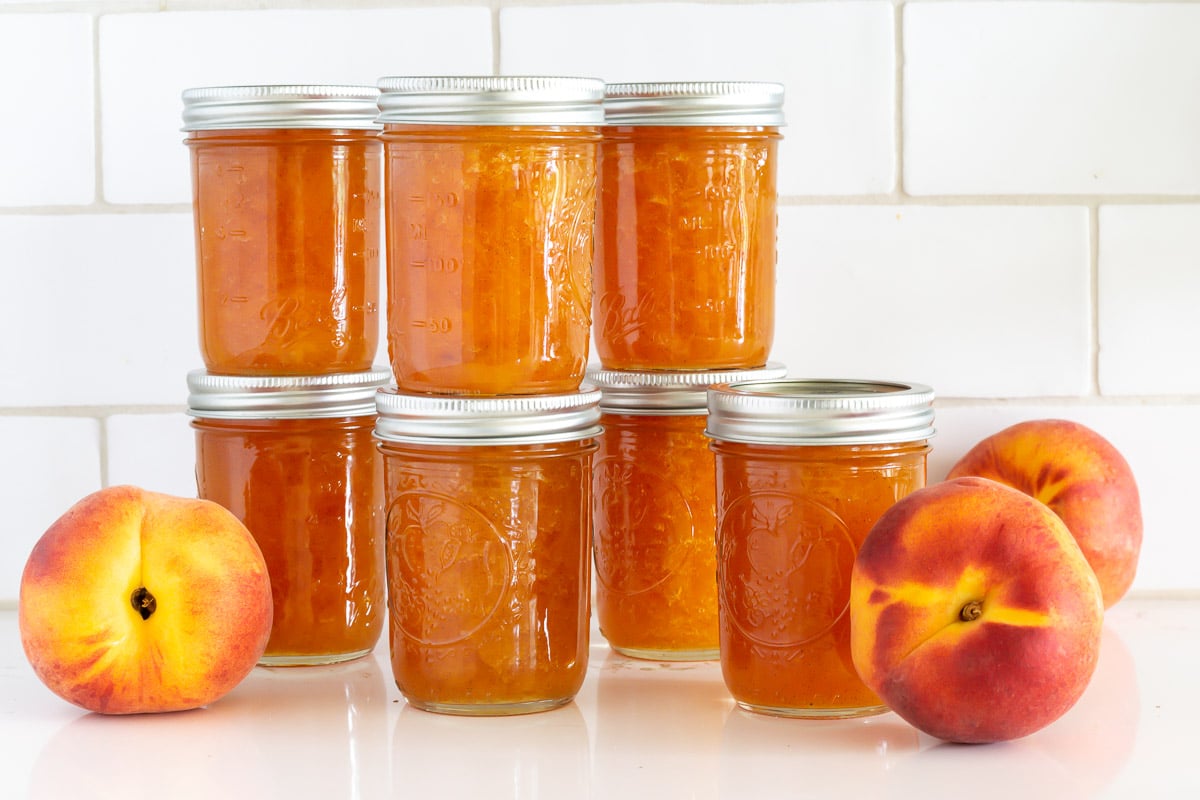
Why This Leak Matters: Peach Jars Are Fragile!
Unpacking the Recent Packaging Leak

In the world of food storage and artisanal canning, glass jars are generally trusted as sturdy, inert, and reliable vessels. However, a recent industry leak has turned that assumption on its head. Whispers from manufacturing floors and internal quality assurance reports have revealed a startling truth: Why This Leak Matters: Peach Jars Are More Fragile Than We Thought!
For years, consumers have reused standard glass jars for everything from canning summer fruits to storing dry goods. When these containers fail, the consequences range from spoiled food to dangerous glass shards. This newly surfaced leak details specific thermal and structural vulnerabilities in peach-specific jar designs that have gone largely unnoticed by the general public until now.
The Root Cause: Thermal Shock and Glass Quality
To understand the gravity of the leaked documents, we have to look at how these jars are manufactured and utilized. Peaches are high in natural acids and often require hot-water bath canning or pressure canning for preservation. The sudden shift in temperature is where the danger begins.
Thinning Walls and Weight Reduction
According to the leaked technical specifications, several major container producers quietly reduced the wall thickness of their jars over the past three years to cut shipping costs and reduce raw material usage. While standard mason jars maintained a uniform thickness, specialized decorative peach jars often featured contoured designs with uneven glass distribution.
This design flaw creates critical stress points. When hot syrup or boiling fruit is poured directly into these contoured containers, the uneven expansion of the glass leads to micro-fractures. The leak highlights that these invisible cracks compromise the structural integrity of the jar long before it makes it to the pantry shelf.
The Chemistry of Peach Preservation
Video: I Canned 200 lbs of Peaches in One Day! | Tips, Recipes & Full Outdoor Kitchen Organization

It is not just the heat that poses a threat; it is the interaction between the fruit's acidity and the cooling process. As the fruit cools, a vacuum seal forms inside the jar. If the glass has been weakened by thinning during production, the downward pressure from the vacuum, combined with external handling, dramatically increases the risk of implosion or shattering.
Real-World Implications for Consumers
If you have a collection of these jars in your pantry, you might be wondering what this means for your next canning session. The leak does not mean every jar will automatically break, but it does mean that standard safety margins are no longer reliable.
- Increased Risk During Canning: Home canners using hot-water baths may experience a higher rate of bottom-drop failures.
- Storage Vulnerability: Stacked jars subjected to minor pantry vibrations are more prone to chipping and cracking.
- Reusability Concerns: Jars that survived one season of canning may have sustained microscopic damage, making them unsafe for subsequent use.
How to Inspect and Protect Your Storage
Given the revelations from the manufacturing leak, taking a proactive approach to jar safety is essential. You do not necessarily have to throw away all your glassware, but you do need to change how you inspect and use them.
- Perform the Tap Test: Gently tap the side of the clean jar with a metal spoon. A clear, high-pitched ring indicates healthy glass, while a dull thud often points to a hidden crack.
- Check for Contour Stress: Examine the curved shoulders and bottom edges of decorative jars where glass thinning is most common.
- Control Temperatures: Always preheat your jars with warm water before introducing boiling liquids to minimize thermal shock.
- Retire Older Units: If a jar shows signs of cloudiness, deep scratching, or frequent seal failures, retire it from canning duty immediately.
Moving Forward: Industry Standards Need a Reboot
This leak serves as a wake-up call not just for home cooks, but for the packaging industry at large. Cost-cutting measures that compromise the safety of food storage containers are unacceptable. As consumer advocacy groups begin demanding more transparency regarding glass weight and thermal limits, manufacturers will likely face mounting pressure to revert to safer, thicker designs.
Until regulatory bodies enforce stricter guidelines, the best defense is consumer awareness. By understanding the true limitations of your storage containers, you can keep your kitchen safe and your preserves secure.