Why US Digital Detoxes Now Work (And How Long They Take)
Why US Digital Detoxes Now Work—And How Long to Keep Calm Comes Naturally

Americans are spending an average of seven hours a day staring at screens. From Slack notifications at 9:00 PM to the endless scroll of social media feeds before sleep, our nervous systems are caught in a permanent loop of low-grade stress. This hyper-connectivity has birthed a massive cultural shift: the intentional, structured digital detox. But unlike the vague wellness trends of the past, modern US digital detoxes now work because our society has finally reached a tipping point of collective burnout, and the infrastructure supporting unplugging has evolved.
The Shift: Why Unplugging Finally Sticks
A decade ago, taking a weekend off your smartphone felt like an act of professional rebellion or extreme asceticism. Today, it is recognized as a vital maintenance protocol for cognitive health. Several factors explain why stepping away from technology yields tangible results today.
The Normalization of Boundaries
Corporate culture and social expectations have shifted. With asynchronous communication, 'right to disconnect' conversations, and a broader cultural awareness of burnout, taking a weekend or a week offline no longer signals career suicide. When you announce you are going off-grid, colleagues and friends are far more likely to respect that boundary than they were ten years ago.
The Rise of Turnkey Offline Infrastructure
One reason past detox attempts failed was logistical friction. How do you navigate a new city without Google Maps? How do you meet a friend without texting your ETA? Today, analog alternatives have made a fierce comeback. Cities feature dedicated phone-free social clubs, analog navigation maps are trendy accessories, and hospitality brands across the US now offer device-free cabins explicitly designed to keep your phone locked away.
The Timeline: How Long Until Calm Comes Naturally?
The biggest question for anyone considering a break from tech is simple: When does the twitching stop? The human brain does not adapt back to the analog world overnight, but the recovery timeline is surprisingly predictable. Here is what you can expect when you put your devices away.
Hours 1 to 24: The Phantom Vibration Phase
During the first day, your brain will actively rebel. You will experience phantom pocket vibrations, reach for a black screen out of sheer muscle memory, and feel a spike of acute anxiety. Dopamine-seeking loops built over years of algorithmic conditioning demand their fix. This is the hardest part, characterized by restlessness and a persistent fear of missing out (FOMO).
Days 2 to 4: The Great Decompression
By the second or third day, the physiological grip begins to loosen. Cortisol levels drop as your nervous system realizes it no longer has to process a barrage of breaking news alerts, work emails, and social comparisons. Sleep architecture improves dramatically. Without the blue light of screens suppressing melatonin, you will likely fall into a deeper, more restorative sleep.
Days 5 to 7: The Return of Deep Focus
Around the end of the first week, cognitive recalibration takes hold. This is when calm starts to feel natural rather than forced. You will notice a profound shift in your attention span. Books become immersive again, conversations stretch out without the urge to check a notification, and ambient boredom returns—which is crucial, because boredom is the birthplace of creativity.
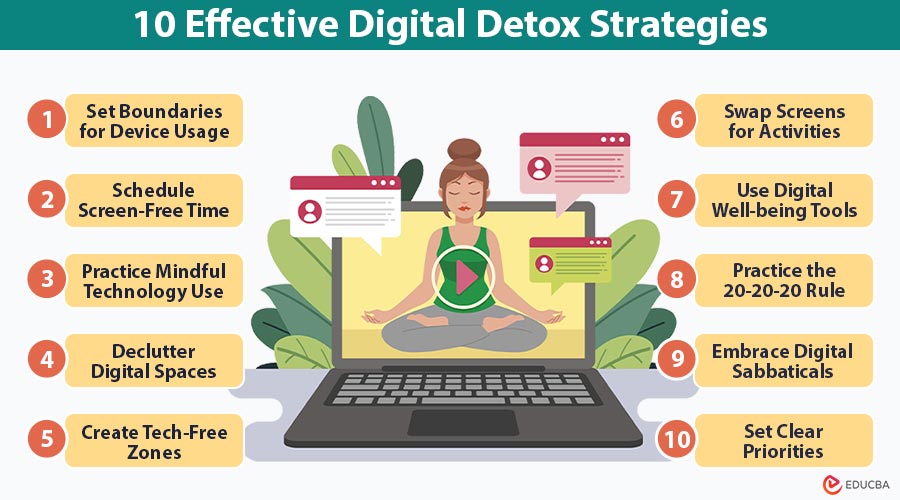
How to Structure a Realistic US Digital Detox
You do not need to move to a cabin in Montana for a month to reap the benefits of a digital reset. A successful detox must match your lifestyle to be sustainable.
- The Micro-Reset (24 Hours): Pick one weekend day—ideally Sunday—to lock your smartphone in a drawer. Use a paper book, a landline if necessary, and cook real meals.
- The Immersion (3 to 5 Days): Book a trip or a staycation where you intentionally leave laptops at home. Inform your inner circle of your offline status using an automated email responder.
- The Daily Boundary: Implement strict post-sunset device bans. Move your charging station out of the bedroom entirely and buy a traditional analog alarm clock.
Conclusion
Digital detoxes work today because we desperately need them, and the world is finally accommodating that need. By understanding the psychological timeline of unplugging—pushing past the initial 24-hour discomfort to reach genuine cognitive quiet—you can reclaim your attention, lower your stress, and remember what it feels like to live entirely in the physical world.


