Why We Relate to Depression Funny Memes
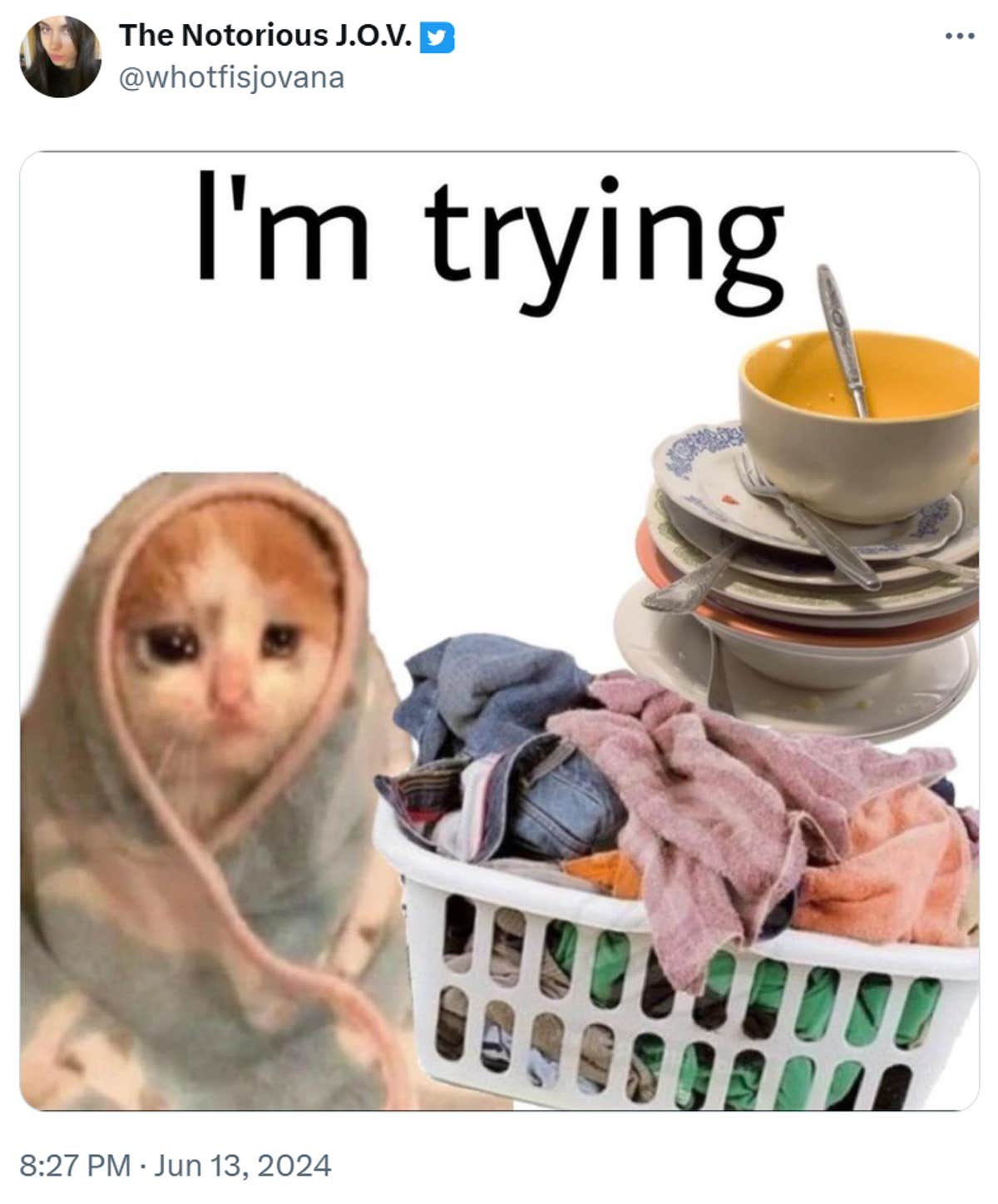
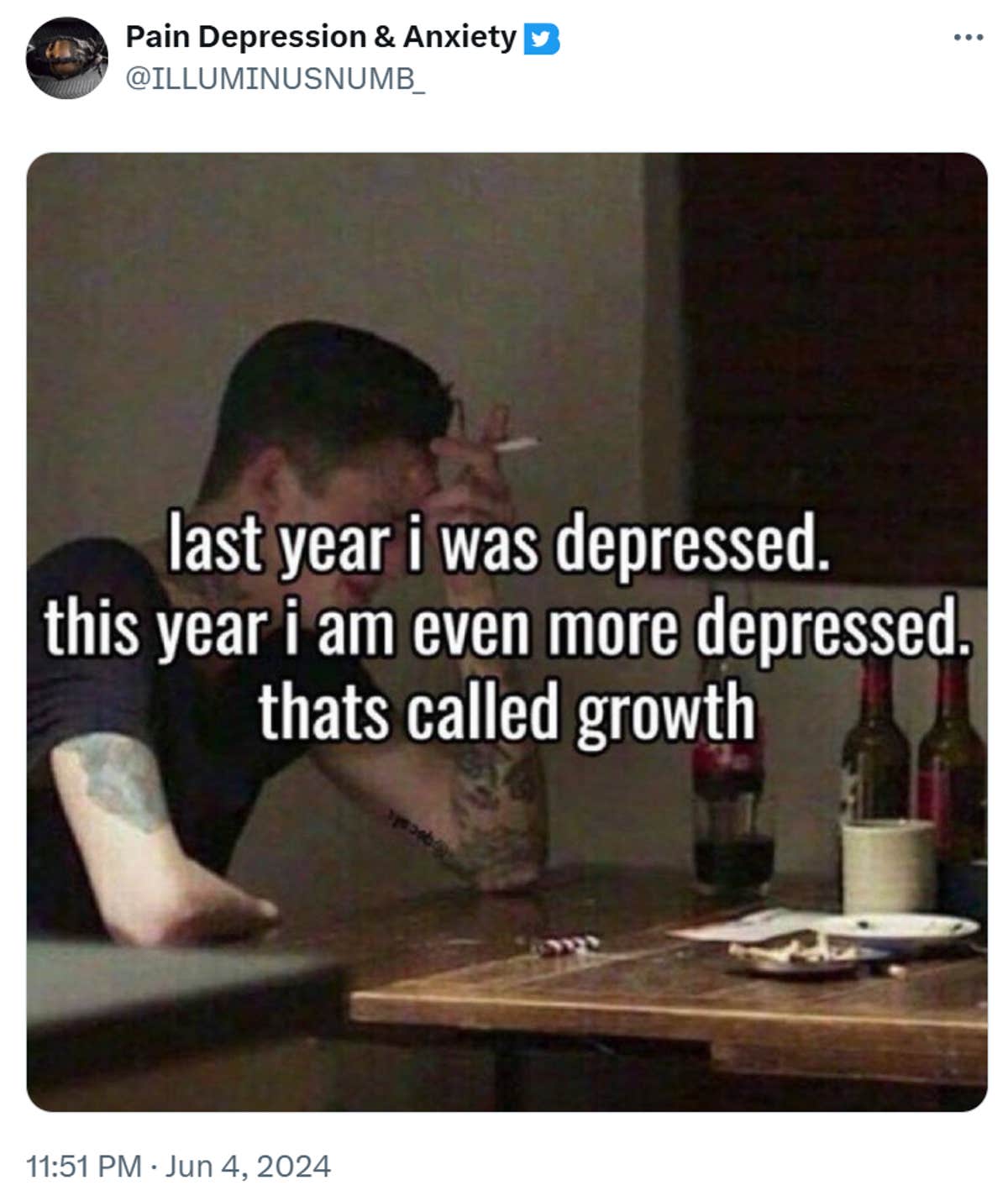
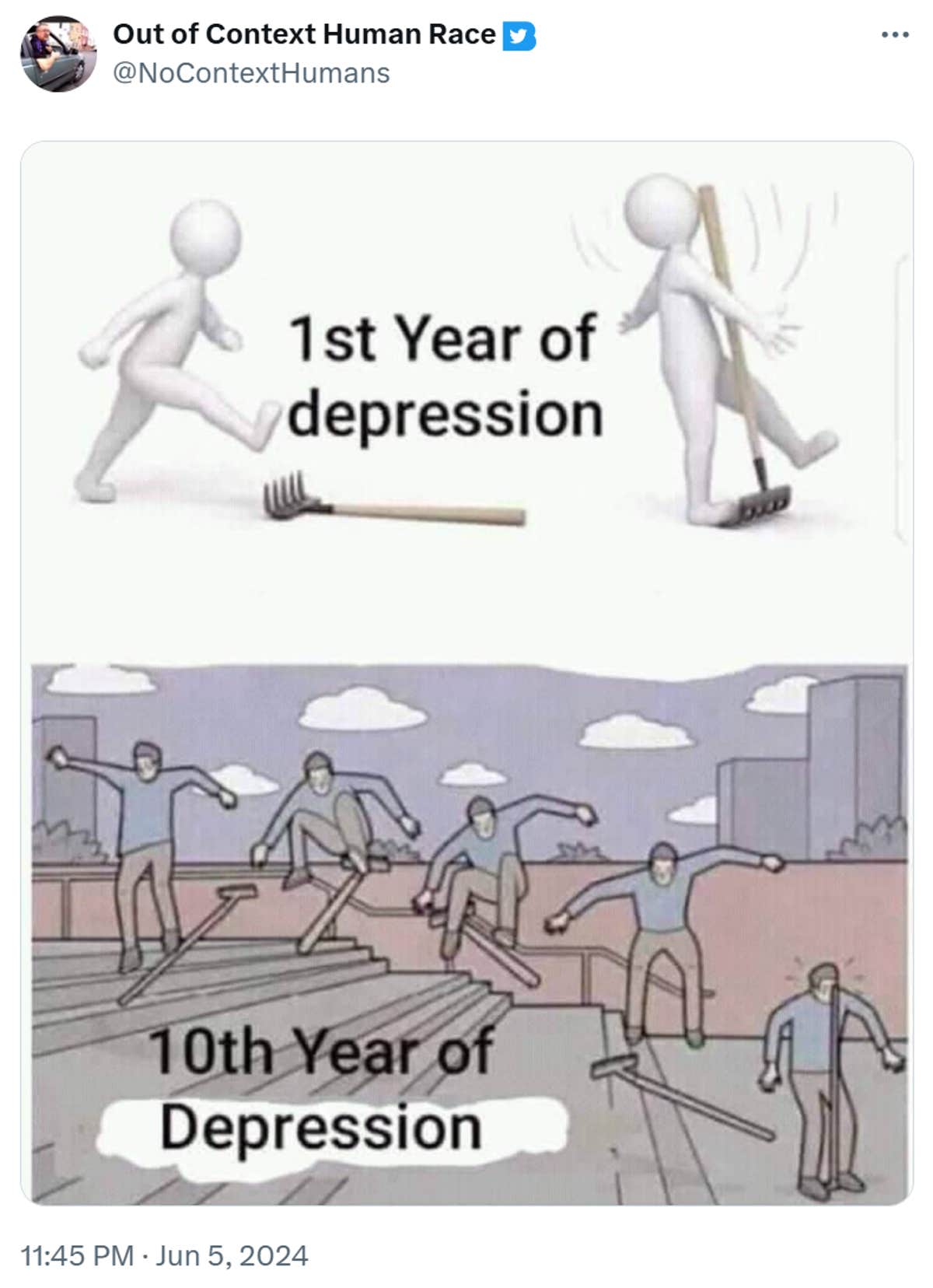
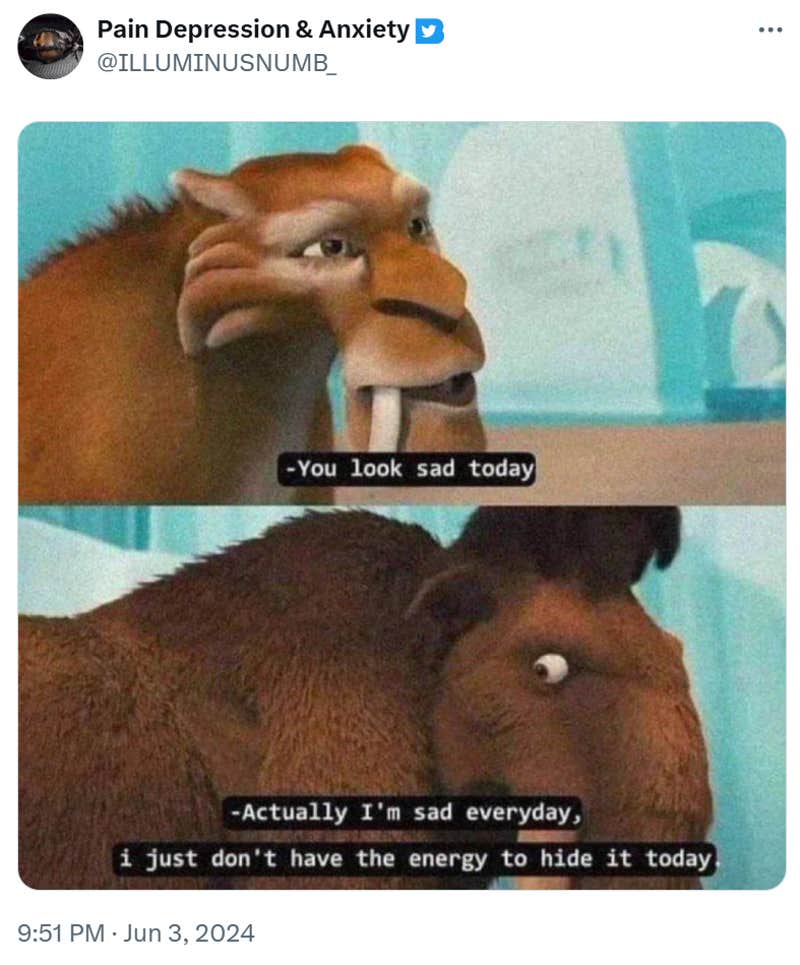
Mental health struggles can feel isolating, heavy, and overwhelmingly quiet. Yet, open your phone and scroll through social media, and you will likely find an entire subculture dedicated to making light of these exact struggles. The rise of depression funny memes marks a fascinating shift in how internet culture talks about mental illness. Instead of clinical detachment or toxic positivity, millions of people turn to self-deprecating, hyper-relatable jokes to process heavy emotions.

While humor cannot replace therapy or medication, these digital creations serve a very real psychological function. They bridge the gap between isolation and community, turning private pain into shared cultural currency. Let's explore why these memes resonate so deeply and how humor became an unexpected coping mechanism.
The Psychology of Dark Humor
Humor has long been used as a defense mechanism. Sigmund Freud theorized that humor allows the mind to release forbidden or painful thoughts without triggering intense anxiety. When applied to mental health, dark humor acts as a pressure release valve.
Clinical depression often strips away joy, motivation, and energy. A meme that reduces a daunting existential crisis into a joke about eating cereal out of a mixing spoon at 3:00 PM brings a sense of control back to the viewer. It acknowledges the absurdity of daily life with a mental illness. By laughing at the symptoms, individuals temporarily strip the illness of its terrifying power.
Why Relatability Matters in Internet Culture
Validation is one of the most powerful antidotes to loneliness. When someone sitting in a dark room scrolling through their feed sees a meme that precisely describes their inability to answer text messages for three weeks, something shifts. They realize, "I am not the only one doing this."
- Instant Validation: Memes validate specific, often embarrassing symptoms without requiring a lengthy explanation.
- Reduced Stigma: Sharing a joke allows individuals to hint at their struggles without feeling vulnerable or burdensome to friends.
- Pacing Control: Unlike heavy conversations, a meme takes seconds to consume, making it accessible even when energy levels are critically low.
The Fine Line Between Coping and Avoidance
While depression funny memes offer genuine relief, mental health professionals note that there is a fine line between healthy coping and avoidance. Laughing at a symptom is a great way to handle the moment, but it should not become a substitute for professional treatment.
Video: depression meme | depression meme instagram
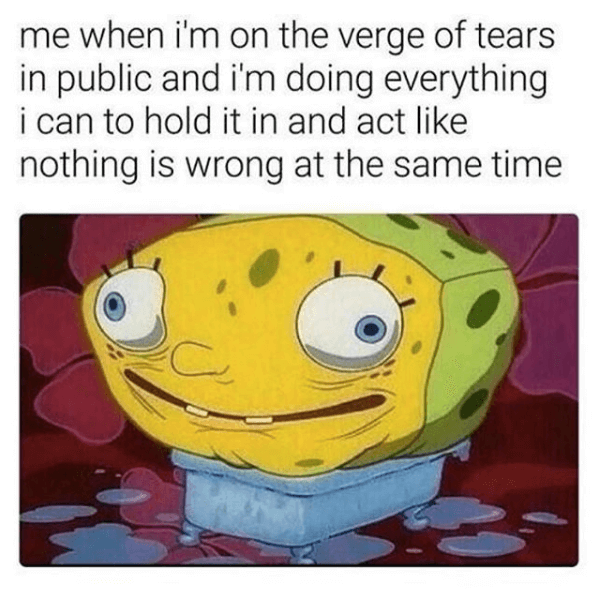
Using humor as a shield can sometimes prevent people from seeking the help they actually need. If the jokes are masking deep-seated pain that never gets addressed, the meme culture becomes an echo chamber of resignation rather than a stepping stone toward healing.
Healthy vs. Unhealthy Consumption
How do you know if your scrolling habits are helping or hurting? Consider the emotional aftermath:
- Comfort vs. Despair: Do the memes make you feel seen and slightly lighter, or do they drag you deeper into a feeling of hopeless fatalism?
- Connection vs. Isolation: Are you sharing these memes to connect with friends who understand, or are you hiding behind them to avoid real conversations?
- Action vs. Stagnation: Do you view them as a relatable break, or as proof that you shouldn't bother trying to feel better?
Finding Community Through Shared Struggles
One of the greatest benefits of modern internet culture is the democratization of empathy. Subreddits, Instagram accounts, and TikTok feeds dedicated to mental health humor create massive, decentralized support systems. Millions of strangers bond over the mutual understanding that getting out of bed is sometimes an Olympic-level sport.
This shared language breaks down the stigma that kept previous generations silent about mental health. When we laugh together at our collective exhaustion, we humanize our conditions. We stop viewing our symptoms as personal moral failures and start seeing them as shared human experiences.
Conclusion
Depression funny memes are much more than passing internet trends. They are a modern coping mechanism, a cultural shorthand for pain, and a digital lifeline for millions of people navigating invisible struggles. While they aren't a cure, they remind us that even in our darkest and most exhausting moments, we can still find a reason to smile—even if that smile is wry, tired, and shared with thousands of strangers online.