Why Your Cordova App’s Surveillance Is Faster Than You Think
When developers choose Apache Cordova for cross-platform mobile development, they often prioritize speed to market. By writing code in HTML, CSS, and JavaScript, teams can deploy iOS and Android applications simultaneously from a single codebase. However, security researchers and privacy advocates have increasingly pointed to a startling reality: this is why your Cordova app’s surveillance is faster than you think.
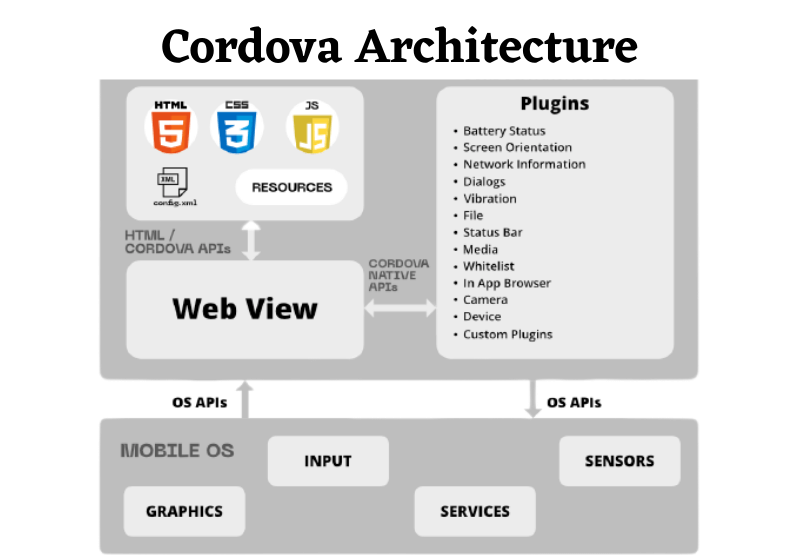
Unlike fully native applications that require complex system-level hooks for tracking, Cordova’s underlying architecture relies on a web view communicating with native device layers via a bridge. This unique setup creates hidden efficiencies for data collection, allowing telemetry, location pinging, and behavioral tracking scripts to execute with alarming speed and minimal friction.
The Anatomy of Hybrid Surveillance
To understand why data collection operates so efficiently in hybrid apps, we need to examine how Cordova bridges the gap between web technologies and the underlying operating system. The Apache Cordova bridge serializes messages between the JavaScript context and the native application container.
While this bridge is necessary for functionality, it also creates a streamlined pipeline for third-party software development kits (SDKs). Analytics tools, crash reporters, and advertising networks injected into the web view can invoke native device APIs through this bridge almost instantaneously. Because the entire application layer runs inside a browser engine, standard web-based tracking techniques—such as canvas fingerprinting, cookie tracking, and DOM event monitoring—blend seamlessly with native hardware sensors.
Why the WebView Accelerates Data Collection
The core engine of a Cordova application is a system-provided web view (WKWebView on iOS, WebView on Android). These modern web engines are optimized to run complex JavaScript applications at near-native speeds. Unfortunately, this high-performance execution environment benefits trackers just as much as it benefits users.
- Instantaneous Script Execution: Modern JavaScript engines execute tracking loops, fingerprinting scripts, and data serialization routines in milliseconds.
- DOM Observation: Tracking scripts can monitor every user interaction, gesture, and navigation event in real-time through standard DOM event listeners.
- Persistent Local Storage: IndexedDB, LocalStorage, and WebSQL provide massive, persistent storage capacities that allow trackers to cache harvested data before transmitting it to remote servers.
Plugins as Surveillance Vectors
Video: Cordova Live Updates in 2026: The Live Updates Fix for Apps Everyone Called Dead

Cordova relies heavily on plugins to access device hardware like the camera, microphone, GPS, and accelerometer. While these plugins are essential for building feature-rich applications, they are often imported from third-party repositories with minimal security vetting.
A poorly audited plugin can act as a direct surveillance vector. Because Cordova plugins execute with the full privileges of the application package, a malicious or compromised plugin can quietly poll GPS coordinates, read contact lists, or record audio in the background. The overhead of native-to-JS communication is so low in modern devices that these background surveillance tasks consume negligible CPU power, making them virtually invisible to the casual observer and difficult for users to detect via battery consumption metrics.
The Danger of Third-Party SDKs
Many development teams drop popular marketing and analytics SDKs into their Cordova projects without inspecting the underlying source code. These SDKs are engineered to gather as much telemetry as possible. In a hybrid environment, they inherit the broad permissions of the container app. Consequently, a simple analytics script meant to track button clicks can easily be configured to bundle device identifiers, network states, and precise location data, transmitting it outward before the operating system has a chance to flag suspicious background activity.
How to Mitigate Hybrid App Surveillance
If you are maintaining a Cordova application, acknowledging these risks is the first step toward building user trust. Securing a hybrid app requires a proactive approach to plugin management, network monitoring, and code obfuscation.
- Audit Every Plugin: Regularly review the native and JavaScript source code of all installed Cordova plugins. Avoid using abandoned or unmaintained packages that have not been updated for recent Android or iOS security standards.
- Implement Strict Content Security Policies (CSP): A robust CSP restricts the domains to which your web view can send data, effectively cutting off unauthorized third-party analytics endpoints.
- Minimize Native Permissions: Only request device permissions (like geolocation or contacts) when the user actively triggers a feature that requires them, rather than requesting them on app launch.
- Obfuscate Your Code: Use JavaScript obfuscation tools to make it harder for malicious actors or reverse-engineers to tamper with your web bundle and inject unauthorized tracking scripts.
As mobile privacy regulations tighten, developers can no longer afford to treat hybrid app security as an afterthought. By understanding the underlying mechanics that make data collection so efficient in these environments, you can take control of your application's footprint and ensure user data remains protected.