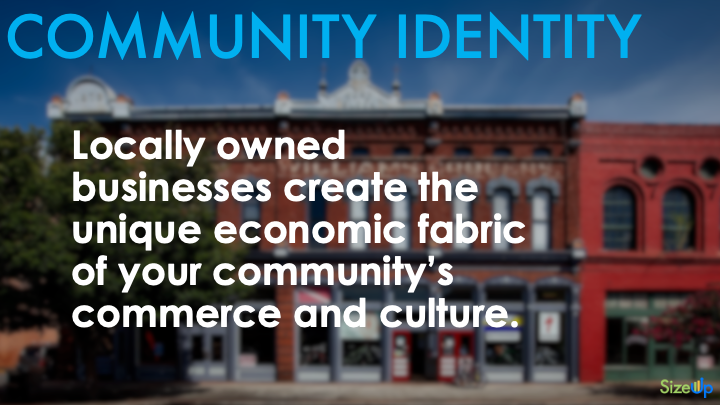
Why Your Hometown Shop Is the Secret Handshake of Community
Step into your neighborhood hardware store, corner bakery, or independent bookstore, and you will notice something that algorithms cannot replicate: a distinct rhythm of recognition. The clerk greets you by name, someone holds the door with an easy smile, and the community bulletin board near the exit is crowded with fliers for lost pets, piano lessons, and charity runs. In an era dominated by same-day delivery and frictionless digital transactions, understanding why your hometown shop is the secret handshake of community life reveals why brick-and-mortar storefronts remain indispensable to our collective well-being.
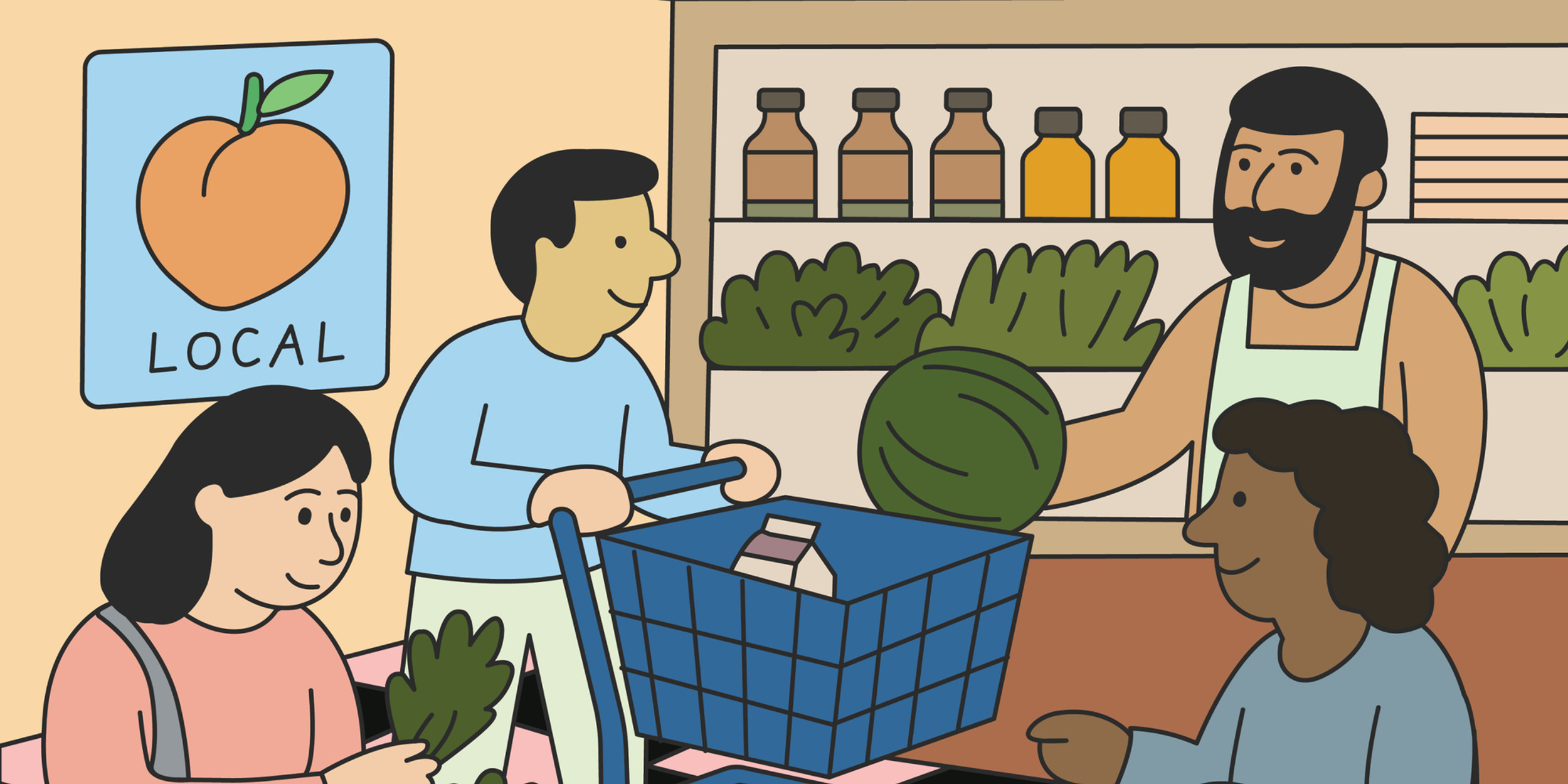
Why Your Hometown Shop Is the Secret Handshake of Community Life
A secret handshake is an emblem of belonging—an unspoken code that tells you that you are among people who share your reality. Independent local shops operate in precisely the same way. When you frequent a local establishment, you are not merely purchasing a cup of coffee, a pair of boots, or a gallon of paint; you are affirming a shared investment in a specific place.
Sociologist Ray Oldenburg coined the term "third places" to describe the social environments separate from the two usual spheres of home and work. Main Street businesses are the quintessential third places of modern society. They offer a neutral ground where civic status fades, conversation flows naturally, and casual acquaintances transform into genuine community networks. When the owner recognizes your routine or asks about your family, that simple exchange signals mutual trust and shared history.
The Currency of Everyday Micro-Interactions
Modern convenience culture often treats social friction as an obstacle to eliminate. Self-checkout kiosks and automated delivery lockers are engineered to remove conversation from commerce. Yet, human connection thrives precisely on these seemingly trivial micro-interactions.
Sociological research consistently demonstrates the power of "weak ties"—those familiar acquaintances you encounter throughout your daily routine. While your strong ties (family and close friends) provide emotional support, your weak ties provide a sense of security, social integration, and groundedness. A brief exchange with the local butcher or florist reminds you that you are visible and part of a living neighborhood tapestry. When towns lose their storefronts, these spontaneous touchpoints vanish, often leaving isolation and civic apathy in their wake.
The Multiplier Effect: Keeping Wealth Where You Live
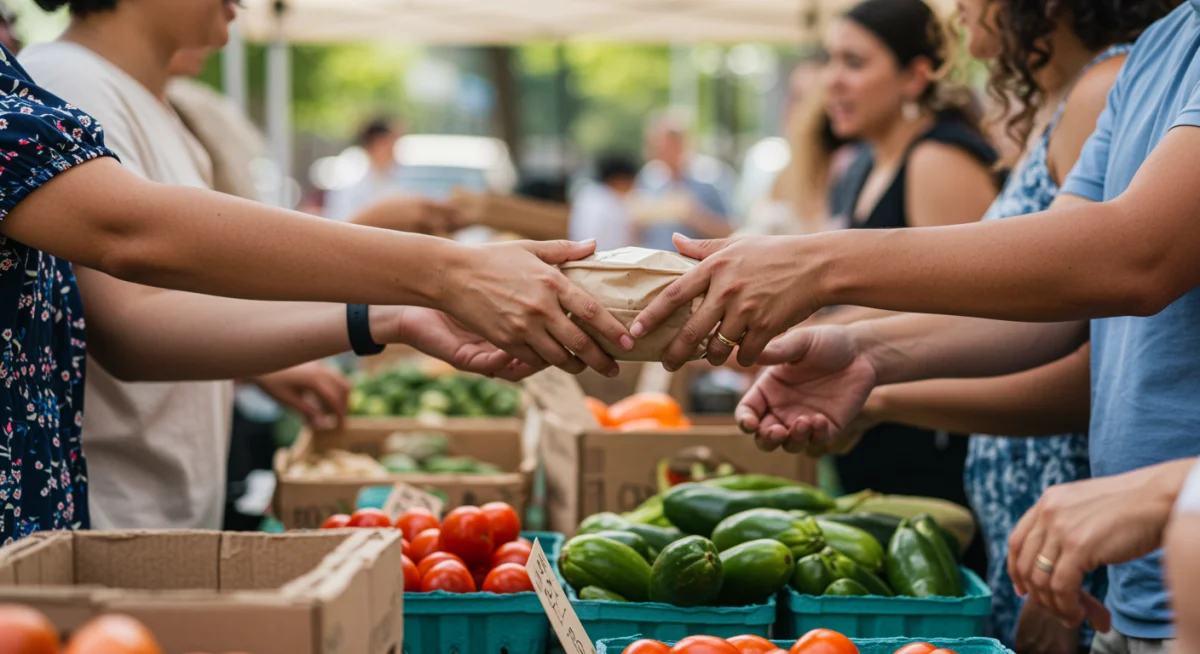
While the emotional appeal of hometown retail is undeniable, the economic reality is equally compelling. Local shops are economic engines that generate outsized returns for their municipalities.
- Greater Local Retention: Studies by research firms like Civic Economics consistently show that for every $100 spent at an independent local business, approximately $48 to $68 stays within the local economy. In contrast, the same amount spent at a national chain leaves only about $14 in the community.
- Support for Municipal Services: Independent merchants generate property and sales tax revenues that directly finance local road repairs, public libraries, emergency services, and public parks.
- Civic Sponsorship: Walk through any youth sports complex or community theater, and you will see team banners sponsored not by distant e-commerce giants, but by the local auto garage, diner, and dentist.
- Diverse Employment: Local shops offer jobs to teenagers starting their working lives, retirees seeking purposeful activity, and creative entrepreneurs whose skills do not fit corporate templates.
Curators of Distinct Local Character
Chain retail and online distribution centers standardize commerce, creating a uniform, placeless aesthetic where an exit ramp in Ohio looks indistinguishable from one in Oregon or Sussex. Hometown shops do the opposite: they preserve regional nuance and distinct local flavor.
A maritime village bookstore curates volumes on local coastal ecology; a mountain town outfitter stocks equipment tested specifically on nearby trails; an urban neighborhood bakery carries breads informed by the cultural heritage of the surrounding blocks. These businesses reflect who lives there, what they care about, and where they came from. They turn a sterile geographic location into a place with memory, soul, and pride.
Practical Ways to Keep the Handshake Strong
Sustaining this civic network does not require you to completely abandon convenience or overhaul your budget. Small, deliberate shifts in shopping behavior make a measurable difference.
- Practice the 10% Shift: Dedicate just 10% of your existing discretionary spending away from online giants toward independent local shops. This modest adjustment creates massive cash flow for local merchants without straining personal finances.
- Show Up for Community Events: Participate in sidewalk sales, holiday strolls, and author signings hosted by local merchants. Your physical presence reinforces the vitality of commercial corridors.
- Give Local Gift Certificates: When purchasing presents for teachers, colleagues, or neighbors, choose vouchers from independent neighborhood cafes, bookshops, or restaurants.
- Leave Online Reviews: Independent business owners rarely have massive advertising budgets. A thoughtful five-star review on Google Maps or Yelp delivers valuable discoverability to your favorite local spot.
Preserving the Heart of the Neighborhood
Ultimately, shopping locally is not an act of nostalgia or charity. It is an act of enlightened self-interest. When you walk through the door of a hometown shop, greet the owner, and pick out an item from the shelf, you are casting a vote for walkable streets, safer neighborhoods, and human-scale living. That familiar bell ringing above the entrance is more than an alert for the shopkeeper—it is the sound of community life continuing to thrive.