Wisconsin State Employee Salaries: The Real Pay Truth
Wisconsin State Employee Salaries: Are They Laughing All the Way to the Bank?
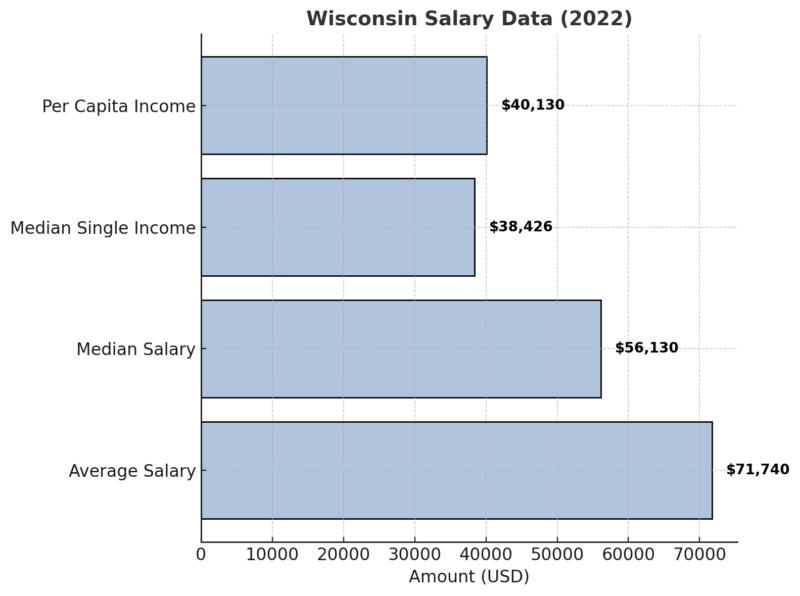
Every time compensation data for public workers hits the public record, it sparks a fierce debate. Taxpayers look at top earners in higher education, corrections, and administration and wonder if public servants are living large at the public expense. When evaluating State of Wisconsin employee salaries: Are they laughing all the way to the bank?, the reality is far more nuanced than simple headlines suggest. While a select group of executives and specialized professionals command high pay, the broader workforce faces unique economic pressures, wage compression, and a complicated benefit landscape.
Public sector compensation in Wisconsin has undergone significant shifts over the last decade, driven by legislative changes, inflation, and recruitment struggles. To understand what state workers actually take home, we need to look past the occasional six-figure outlier and examine the data across agencies, experience levels, and regional costs of living.
The Public Record: Where Wisconsin Salaries Stand
Wisconsin is relatively transparent when it comes to government spending. Databases like the Wisconsin Budget Project and open-records portals allow anyone to search state payrolls. This transparency often creates sticker shock for taxpayers who see state-funded salaries reaching $150,000, $200,000, or more.
However, averages can be deeply misleading. The state workforce is massive and diverse, ranging from seasonal park rangers and entry-level administrative assistants to specialized physicians at state-run health facilities and top researchers at the University of Wisconsin System.
Top Earners in State Government
Who are the highest-paid state employees in Wisconsin? Unsurprisingly, they rarely work in traditional bureaucratic offices. The upper echelon of state payrolls typically features:
- University Leadership and Coaches: Football and basketball coaches at UW-Madison and UW-Milwaukee often command the highest salaries in the entire state government, funded largely through athletic revenues and donor gifts rather than direct tax dollars.
- Medical Professionals: Doctors, psychiatrists, and specialized clinicians working within state-run correctional facilities, veteran homes, and mental health institutes require competitive market rates to retain.
- Gubernatorial Cabinet Secretaries and Agency Heads: High-level administrators managing multibillion-dollar departments earn salaries that reflect the immense scope of their responsibilities, usually ranging from $130,000 to over $200,000 annually.
The Backbone: Mid-Level and Entry-Level Pay
Away from the executive suites and university research labs, the typical state employee experiences a very different financial reality. Many administrative, clerical, and entry-level operational roles start at wages that struggle to compete with the private sector in booming metropolitan areas like Madison and Milwaukee.
In recent years, state agencies have faced historic vacancy rates. Departments like Corrections and Transportation have consistently struggled to keep positions filled. The primary culprit? Private-sector employers offering higher starting pay for fewer operational hazards and less restrictive work environments.
Benefits vs. Base Pay: The Total Compensation Package
Video: This is how much money you need to make to be happy living in Wisconsin, survey finds | FOX6 News Mi
You cannot discuss State of Wisconsin employee salaries without talking about benefits. For decades, the traditional trade-off for public sector work was clear: accept a lower base salary compared to private industry in exchange for exceptional job security, robust health insurance, and a guaranteed pension.
However, the landscape changed dramatically following the passage of Act 10 in 2011, which altered collective bargaining rights and significantly increased employee contributions toward healthcare and retirement pensions.
- Health Insurance: While still generally high quality, state employees now pay a larger share of their health insurance premiums than they did historically.
- The Wisconsin Retirement System (WRS): Regarded as one of the best-funded public pensions in the United States, the WRS still provides a secure defined-benefit retirement. For long-term employees, this deferred compensation makes up for years of modest wage growth.
- Paid Time Off: State workers generally enjoy competitive vacation accrual, sick leave, and paid holidays, though these perks are increasingly matched or exceeded by competitive private corporations trying to lure talent.
How Wisconsin Compares to Neighboring States
To determine if Wisconsin state workers are thriving financially, it helps to look at regional context. How do Wisconsin wages stack up against neighboring states like Illinois, Minnesota, Iowa, and Michigan?
Generally, Wisconsin tracks closely with regional midwestern averages for public sector pay. States with stronger labor traditions or higher costs of living—such as Minnesota and Illinois—often pay higher average base wages for state workers. Conversely, states with more aggressive tax-cutting agendas may lag behind.
Crucially, inflation has outpaced legislative pay bumps in Wisconsin for long stretches. Even when the state legislature approves modest two-percent or three-percent cost-of-living adjustments, high inflation rates can result in a net decrease in purchasing power for frontline state employees.
The Taxpayer Perspective vs. Employee Reality
The tension between taxpayers and public employees usually boils down to value and affordability. Taxpayers want efficient government services delivered at the lowest possible cost. When property taxes and income taxes remain a persistent burden, any news of government salary increases can trigger public frustration.
On the flip side, underpaying state workers carries hidden costs. When departments are chronically understaffed due to uncompetitive wages, public services suffer. Delays in processing licenses, understaffed state parks, compromised safety in correctional facilities, and crumbling infrastructure are often symptoms of an agency that cannot hire or retain qualified staff.
Conclusion: Are They Laughing All the Way to the Bank?
So, are State of Wisconsin employees laughing all the way to the bank? The short answer is: No, unless they happen to be top-tier medical specialists, university administrators, or athletic coaches.
For the vast majority of desk workers, social services case managers, maintenance crews, and administrative staff, state employment offers stable work and solid long-term benefits, but it rarely leads to immense wealth. In many cases, state employees are working harder than ever to manage heavy workloads driven by severe staffing shortages. While public service remains a noble and secure career path in Wisconsin, the days of government employees coasting on oversized paychecks are largely a myth.


