Witness the Pulse: Blue Man Group Still On Tour
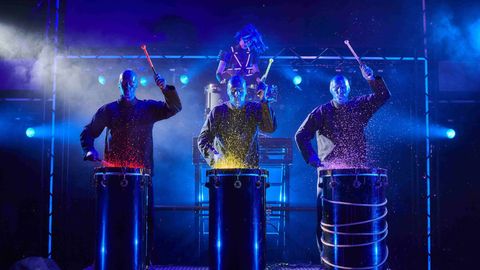
Few theatrical experiences blur the line between rock concert, avant-garde art installation, and slapstick comedy quite like the bald, cobalt-skinned trio known worldwide as Blue Man Group. For anyone seeking to witness the pulse of live performance—Blue Man Group still on tour!—the legendary production proves that pure, unadulterated sensory theater is more vital than ever. Decades after their debut, these silent performers continue to fill theaters across the globe, captivating audiences with explosive percussion, custom-built instruments, and vibrant splashes of paint.

In an era dominated by CGI, mobile screens, and isolated digital entertainment, the physical reality of a Blue Man Group performance feels refreshingly immediate. The show invites audiences to unplug, laugh without inhibition, and connect through rhythm and shared human curiosity.
From Downtown New York to a Global Phenomenon
Blue Man Group originated in the late 1980s in New York City’s Lower East Side, created by close friends Chris Wink, Matt Goldman, and Phil Stanton. What began as guerrilla street art and experimental salon performances quickly gained momentum. By 1991, the trio opened their landmark off-Broadway production, Tubes, at the Astor Place Theatre—a venue they still call home today.
The core concept has remained remarkably consistent: three mute, blue-hued figures explore modern civilization like curious extraterrestrials. Through their innocent gaze, everyday human behaviors—from dining etiquette to our obsession with technology—are reflected back at us with biting satire and warm absurdity. Over the years, the show expanded into resident productions in Las Vegas, Boston, Chicago, and Berlin, alongside massive national and international touring companies.
What to Expect: High-Tech Music, Comedy, and Paint
If you have never experienced Blue Man Group in person, defining the genre is nearly impossible. It is neither a traditional play nor a standard concert, yet it borrows the best elements of both. The performance is structured around dynamic, multi-sensory set pieces designed to trigger laughter, awe, and sonic adrenaline.
- Inventive Percussion: The Blue Men perform on bespoke instruments crafted from industrial materials. Their signature PVC tubulums and paddle-struck pipes produce deep, resonant bass frequencies that rumble straight through the theater floor.
- Explosive Visual Art: Paint is treated as a percussive medium. Fluorescent pigments placed atop drumheads blast into the air with every strike, creating hypnotic, rhythmic splatters illuminated by precision blacklights.
- Subtle, Non-Verbal Clowning: Despite never speaking a single word, the performers communicate profound emotion and sharp comic timing through wide-eyed glances, synchronized head turns, and expressive body language.
- A Live Rock Band: Elevated above or beside the stage, a live backing band dressed in UV-reactive skeleton suits provides driving rhythmic support, transforming theatrical skits into arena-grade rock anthems.
Witness the Pulse of Live Performance—Blue Man Group Still On Tour!
While resident productions offer polished, permanent installations, catching the touring company delivers a unique, arena-style electric charge. Touring theaters allows the group to bring their world-class staging to cities that rarely get to host long-term avant-garde productions.
The current touring iteration blends classic, beloved sketches—such as the iconic Twinkie feast and the marshmallow-catching sequence—with updated set pieces that critique modern hyper-connectivity. Giant smartphone-like props, interactive LED panels, and light-up costumes integrate contemporary tech into the production without losing the tactile, primal spirit that made the show famous.
Touring also demands incredible physical discipline from the cast. The performers undergo rigorous auditions and months of intensive training to master the "Blue Man" mindset, which requires virtuoso drumming chops, precise comedic instincts, and the stamina to endure ninety uninterrupted minutes of athletic performance.
The "Splash Zone" vs. Standard Seating
Video: Blue Man Group The Complex Rock Tour Live

Choosing where to sit at a Blue Man Group tour stop significantly shapes your experience. The first few rows of the orchestra are officially designated as the "Poncho Section."
Audience members in these seats are provided with complimentary plastic ponchos before the curtain rises. If you sit here, you are in the direct line of fire for airborne paint droplets, flying gelatin, and mashed food. It is messy, hilarious, and wildly popular with adventurous theatergoers and teenagers. However, if you prefer to observe the choreography, complex percussion patterns, and sweeping lighting design as a unified canvas, seats in the mid-orchestra or lower mezzanine offer the best visual perspective.
A Show for All Generations and Languages
One of the touring production’s greatest strengths is its universal accessibility. Because the performers never speak, the humor relies entirely on physical comedy, situational irony, and acoustic dynamics. There is no language barrier to navigate, making it equally engaging for international visitors, young children, and seniors.
Unlike entertainment aimed exclusively at toddlers or highbrow comedy meant strictly for adults, Blue Man Group strikes a rare middle ground. Kids are mesmerized by the colors, splashes, and kinetic rhythms, while adults appreciate the sly cultural commentary, artistic inventiveness, and exceptional musicianship.
Behind the Sonic Innovation
At its heart, Blue Man Group is a celebration of sound. The musical team spent years experimenting with plumbing supplies, discarded industrial tubing, and everyday hardware to invent their sonic palette.
The Tubulum, for example, is a massive array of interconnected PVC pipes struck with paddle-shaped mallets, producing pitches governed by the exact length of each tube. Alongside the tubulum, the show features the Piano Smasher—an upright piano laid open and struck with heavy rubber mallets—and the Chapman Stick, a multi-stringed instrument played by tapping rather than plucking. The resulting sound is tribal, industrial, and undeniably infectious.
Practical Tips for Attending the Tour
If you are planning to attend an upcoming performance, keep these practical tips in mind to get the most out of your evening:
- Book Early for Weekend Dates: Tour stops in mid-sized cities often run for just a few days, leading to rapid sellouts for Friday and Saturday evening slots.
- Sensory Considerations: The show features strobe lights, sudden loud percussive blasts, and blacklight illumination. Venues generally offer earplugs at guest services, which can be helpful for sensitive ears or younger children.
- Arrive Early: The theater experience begins before the trio walks onto the stage. Scrolling LED tickers across the proscenium often display humorous messages and gently poke fun at audience members arriving late.
- Stick Around in the Lobby: Following many touring performances, cast members often appear in the lobby for silent, paint-dappled photo opportunities, leaving unique blue smudges on playbills and souvenir shirts.
Why This Live Experience Still Matters
Live theater endures because it offers something digital screens never will: shared presence in a room full of strangers experiencing the exact same sonic shockwave. Blue Man Group reminds us that art does not have to take itself too seriously to be profound. By combining joyful absurdity with world-class percussion, their touring production continues to prove that curiosity, rhythm, and a splash of bright blue paint are all we need to feel truly connected.