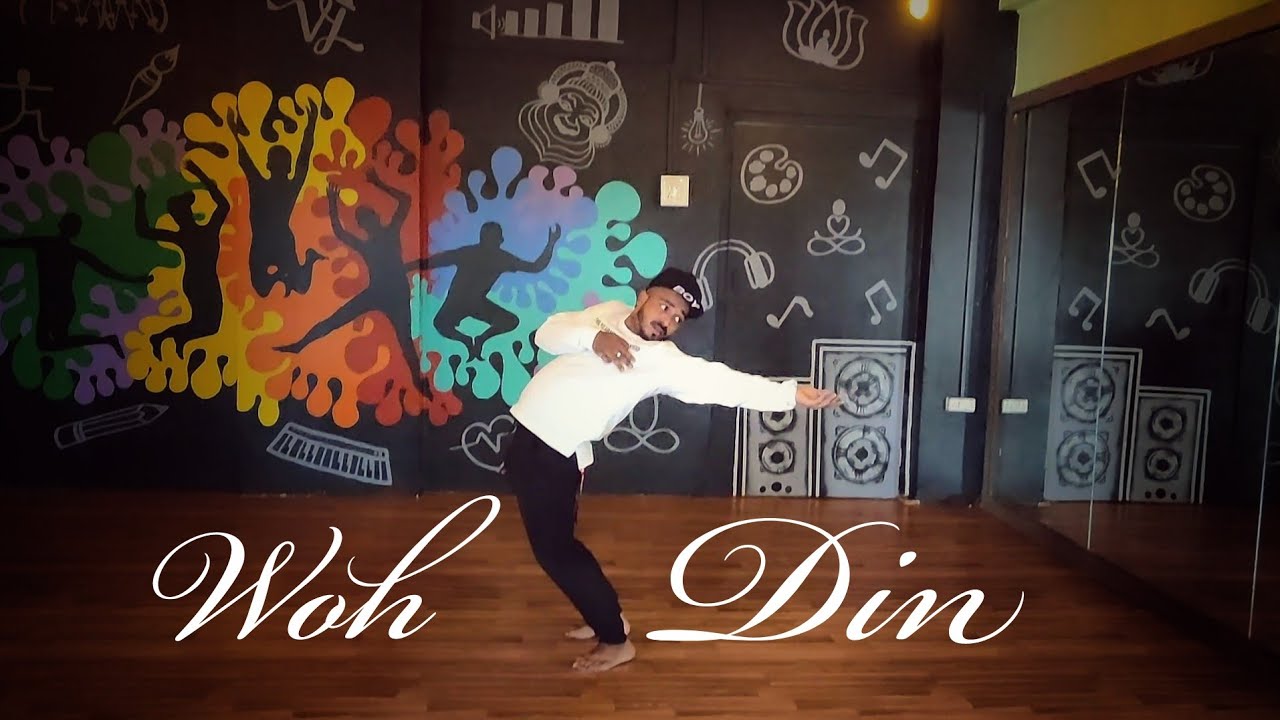
Woh Din Bhi Kya Din The: The Power of Nostalgia
Few phrases capture the bittersweet weight of human memory quite like woh din bhi kya din the. Translated literally from Hindi and Urdu, it means “Those were the days!” Yet a direct translation barely scratches the surface of what the phrase actually delivers. It carries an instantaneous sigh, a warm half-smile, and a collective acknowledgment that time slips through our fingers faster than we ever anticipated.

Whether whispered during an impromptu reunion with childhood friends or sparked by an old photograph buried in a drawer, the expression bridges generations. It speaks to a shared human vulnerability: our instinct to look back at simpler chapters of life and wonder how we traveled so quickly from there to here.
The Literal Meaning and Emotional Texture
Linguistically, the phrase is simple and direct. The repetition of din (days) bookends the rhetorical emphasis on kya (what), turning a straightforward statement into an exclamation of awe and longing. It does not merely say that past days were pleasant; it proclaims that they held a quality, an innocence, or an unrepeatable magic that the present cannot easily match.
Unlike bitter regret, which looks back with remorse, this sentiment is largely tender. It belongs to the psychological realm of “rosy retrospection”—the cognitive tendency to remember past events as significantly more positive than they might have felt while we were actually living through them.
The Cultural Footprint: “Woh Din Bhi Kya Din The” in Cinema and Music
The phrase has deep roots in South Asian popular culture, most noticeably across decades of Hindi cinema and folk expressions. It has consistently served as shorthand for nostalgia in music, literature, and screenwriting.
Classic Hindi Cinema
Generations of listeners were introduced to the sentiment through golden-age Bollywood songs. In 1957, playback icon Kishore Kumar lent his voice to a song carrying this exact thematic core in the film Chalti Ka Naam Gaadi, while lyricists of the 1960s and 1970s repeatedly drew upon the line to express an aging protagonist's yearning for lost youth. The music of that era frequently paired the phrase with sweeping string arrangements and melancholic woodwinds, turning personal remembrance into a shared theater experience.
Modern Reinterpretations
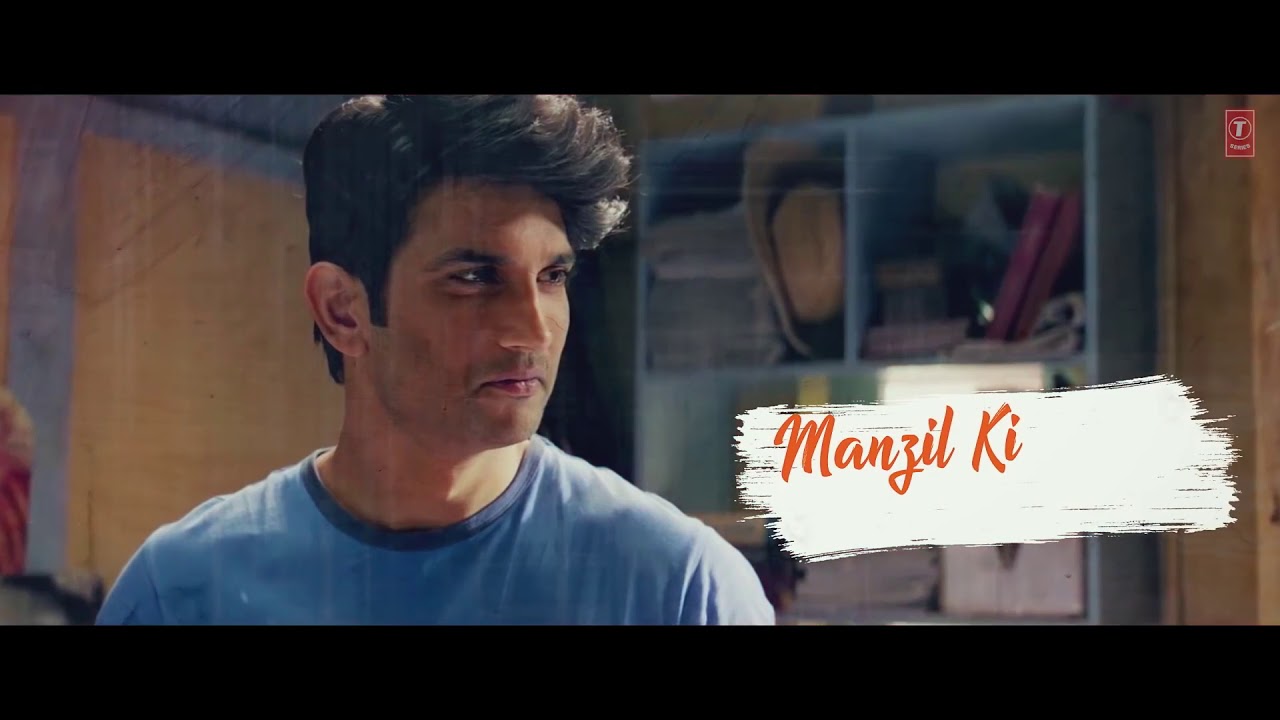
The phrase refuses to grow obsolete. In the 2019 film Chhichhore, directed by Nitesh Tiwari, the track titled “Woh Din” revitalized the expression for a millennial and Gen-Z audience. The song documents the chaotic, unscripted beauty of hostel life—broken canteens, shared cigarettes, desperate exam-cramming, and unconditional peer support. In doing so, it proved that while technologies and lifestyles evolve, the specific ache for one's youth remains constant across generations.
Common Triggers: What Makes Us Say It?
People rarely utter this phrase in sterile conditions. It is almost always activated by sensory triggers or cultural contrasts that highlight the gulf between the past and the present.
- Analog vs. Digital Living: For anyone who grew up before the late 2000s, memories of waiting for a landline call, rewinding cassette tapes with a pencil, or rushing home to catch a single weekly television broadcast evoke a sense of unhurried patience that modern hyper-connectivity has erased.
- Unstructured Play: Generations raised on street games—gully cricket, hide-and-seek, or hopscotch until streetlights flickered on—often contrast their physical, outdoor childhoods with today’s screen-dominated leisure.
- Low-Stakes Responsibilities: The transition from school and university into the grinding realities of taxes, career navigation, and domestic management inevitably casts youth in an idyllic light.
- Shared Neighborhood Communities: Open-door neighborhoods where neighbors walked in without advance texting feel increasingly rare in modern apartment complexes, sparking fond memories of organic community life.
The Psychology of Nostalgia: Why We Pine for Yesterday
Video: Full Song: Woh Din Film Version | Chhichhore | Sushant,Shraddha | Pritam | Amitabh | Tushar Joshi
Psychologists once viewed nostalgia as an emotional defect or a depressive preoccupation with the past. Modern psychological research, however, reveals that nostalgic reflection serves an essential grounding function for the human mind.
1. Meaning and Continuity
When our present environment feels chaotic, stressful, or unfamiliar, invoking memories of stability anchors our identity. Remembering who we were with friends decades ago reminds us of our core values and helps us maintain a coherent life story across changing circumstances.
2. Social Connectedness
Nostalgia is rarely solitary. When people reflect on past eras, their memories are overwhelmingly populated by other people: family elders, classmates, first loves, or neighborhood companions. Invoking past joy reduces feelings of contemporary loneliness by reminding us that we are capable of belonging and deep affection.
3. The Soft Filter of Memory
Our brains naturally soften past discomforts while preserving highlights. We forget the dread of eighth-grade mathematics exams, the sweltering summer afternoons without air conditioning, or the awkwardness of teenage insecurity. What remains in sharp focus is the laughter after the exam, the taste of cheap mango ice cream, and the ease of long afternoons with nowhere urgent to be.
Is the Past Truly Better, or Just Simpler?
It is worth asking whether the eras we romanticize were genuinely superior. Objectively, modern society offers medical advances, technological conveniences, and broader access to information than any previous century. Life in decades past came with its own share of material scarcity, rigid social norms, and isolation.
The magic captured by the expression does not necessarily mean the world itself was flawless. Rather, it reflects our own state of mind at the time. When we were younger, our cognitive load was lighter, our futures felt open-ended, and our capacity for wonder had not yet been tempered by decades of routine. When we say “those were the days,” we are often mourning our own youthful openness more than the historical period itself.
How to Balance Nostalgia With Present Living
Indulging in fond memories is healthy, but getting stranded in them can rob the present of its own potential. To enjoy nostalgic reflections constructively:
- Use memories as blueprints, not monuments: If you miss the spontaneity of your college years, ask yourself how you can introduce even ten percent more spontaneity into your current weekend routine.
- Reconnect proactively: Instead of passively yearning for old acquaintances, send a short message to someone who shared those days with you. Shared memory remains one of the strongest lubricants for renewing old bonds.
- Recognize that today is tomorrow's nostalgia: The mundane, ordinary routines you occupy right now—your current apartment, your children at their present ages, your contemporary creative projects—will one day be the exact era you look back upon with a sigh.
Conclusion
Ultimately, woh din bhi kya din the endures because it encapsulates our collective journey through time. It is a phrase built on gratitude as much as loss. It honors the people, places, and fleeting seasons that shaped us, while offering a warm, shared language to navigate the inevitable march of time.