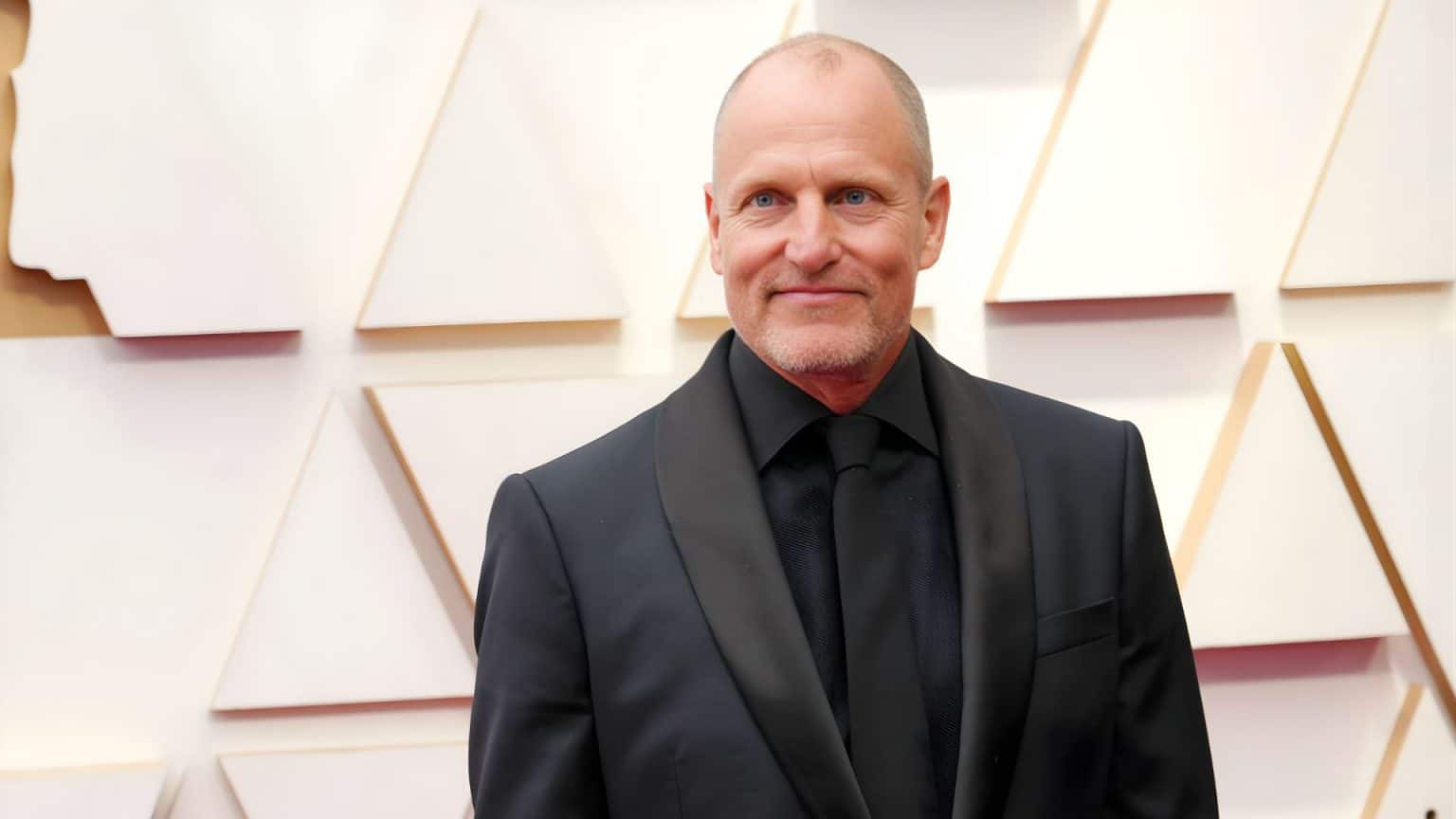
Woody Harrelson: $100 Million Legacy in Hollywood
Few actors have charted a Hollywood trajectory quite as unconventional or enduring as Woody Harrelson. From small-town Texas to the upper echelons of the global box office, his journey defies conventional industry wisdom. When examining Woody Harrelson: how he built a $100 million legacy in Hollywood!, you quickly find that his wealth and longevity are not accidental. They stem from a calculated blend of charismatic television stardom, brave independent film choices, multi-billion-dollar franchise equity, and a steadfast refusal to be typecast.

Today, Harrelson stands as one of the industry's most recognizable, respected, and financially resilient character actors. Here is how he converted raw talent, idiosyncratic charisma, and savvy career decisions into an empire valued at an estimated $100 million.
The Sitcom Foundation: From 'Cheers' to Primetime Wealth
Harrelson’s breakthrough did not come via high-concept cinema; it came through a classic television barroom. Joining the ensemble cast of NBC’s legendary sitcom Cheers in 1985 as Woody Boyd—filling the void left by the tragic passing of Nicholas Colasanto (Coach)—Harrelson faced immense pressure. Instead of faltering, he captured the audience's hearts with endearing innocence and impeccable comedic timing.
During his eight seasons on the show, Harrelson accomplished three vital tasks that laid his foundation:
- Industry Recognition: He earned five Primetime Emmy Award nominations, winning one in 1989.
- Financial Leverage: By the series' concluding seasons, top-tier cast members commanded substantial episodic paychecks, giving Harrelson his initial pool of capital.
- Universal Brand Awareness: Tens of millions of American households watched him weekly, establishing a level of household familiarity that most film actors take decades to achieve.
Defying the "Sitcom Curse" in the 1990s
During the late 1980s and early 1990s, transition from television to film was notoriously fraught. Actors were often permanently pigeonholed by their small-screen personas. Harrelson shattered that stereotype with deliberate, genre-defying career moves.
In 1992, he starred opposite Wesley Snipes in Ron Shelton’s White Men Can't Jump, a box-office hit that established him as an athletic, charismatic big-screen lead. He followed it with Adrian Lyne’s drama Indecent Proposal (1993), proving his range in dramatic tension. Then came the true turning point: Oliver Stone’s provocative, controversial Natural Born Killers (1994).
By portraying the sociopathic Mickey Knox, Harrelson permanently separated his artistic identity from the sweet-natured Woody Boyd. In 1996, his courageous depiction of free-speech provocateur Larry Flynt in Miloš Forman’s The People vs. Larry Flynt garnered his first Academy Award nomination for Best Actor. He was no longer just a sitcom star; he was an auteur-favored powerhouse.
Woody Harrelson: How He Built a $100 Million Legacy in Hollywood
Reaching an estimated net worth of $100 million requires more than critical acclaim—it requires commercial longevity and an understanding of box office economics. Harrelson's wealth generation can be broken down into three distinct revenue engines that he balanced throughout the 2000s and 2010s.
1. The Blockbuster Franchise Portfolio
Harrelson recognized that modern Hollywood capital flows toward intellectual property and franchises. Rather than competing for conventional superhero leads, he positioned himself as the irreplaceable character anchor in high-earning franchises:
- The Hunger Games Series: As the troubled mentor Haymitch Abernathy across four films, Harrelson became an indispensable pillar of a franchise that grossed roughly $3 billion worldwide. Between base salaries, multi-picture commitments, and backend participation, this role significantly elevated his wealth.
- Zombieland & Zombieland: Double Tap: Playing the Twinkie-obsessed survivor Tallahassee, Harrelson turned an original horror-comedy concept into a commercial juggernaut, earning strong upfront fees and ongoing streaming residuals.
- Venom: Let There Be Carnage: Entering the Marvel cinematic orbit as the iconic villain Cletus Kasady/Carnage netted Harrelson another massive paycheck in a film that cleared over $500 million internationally during a difficult theatrical market.
- Star Wars and Planet of the Apes: Adding key antagonist and mentor roles in War for the Planet of the Apes and Solo: A Star Wars Story rounded out a portfolio few actors can match.
2. The Prestige Pivot: True Detective and Modern Awards
Harrelson never abandoned the artistic credibility that protects an actor from career obsolescence. In 2014, he teamed up with longtime friend Matthew McConaughey for Season 1 of HBO’s True Detective. As co-lead and executive producer, Harrelson not only commanded top-tier premium cable salaries but also played a central role in ushering in the golden age of limited prestige television.
He repeated this prestige success on the big screen with Martin McDonagh's Three Billboards Outside Ebbing, Missouri (2017), which earned him another Oscar nomination. This balance of prestige and blockbuster appeal allows him to alternate between high-paying commercial roles and smaller passion projects without losing box-office stature.
3. Off-Screen Discipline and Smart Investments
A $100 million net worth is as much about capital preservation and investment as it is about earning power. Unlike peers who burned through cash with traditional Hollywood excess, Harrelson’s lifestyle and business ventures reflect his distinctive personal values:
- Sustainable Real Estate: Harrelson maintains a primary residence in an off-grid, eco-conscious community in Maui, Hawaii. He lives largely on solar power and organic agriculture, avoiding the massive overhead associated with multi-mansion real estate hoarding.
- Cannabis and Wellness: A lifelong advocate for cannabis legalization and plant-based living, Harrelson co-founded The Woods, a high-end dispensary and consumption lounge in West Hollywood. He has also backed several plant-based food and eco-friendly consumer product initiatives.
- Selective Directing and Producing: With experimental projects like Lost in London (2017)—a live-streamed feature shot in a single take—Harrelson has preserved creative independence while developing producer equity.
The Blueprint of a Long-Lasting Career
What distinguishes Woody Harrelson from contemporaries who peaked early is adaptability. He never resisted aging on screen, transitioning smoothly from charming young rebel to grounded mentor, eccentric antihero, and seasoned character actor. By avoiding vanity, he kept himself employable across every genre—comedy, prestige drama, high-action sci-fi, and indie satire.
Ultimately, Woody Harrelson’s $100 million legacy is built on authenticity. By remaining unapologetically himself, choosing compelling scripts over sterile formula, and pairing high-yield franchise paydays with smart living habits, he constructed a career model that is financially rewarding, critically validated, and truly one of a kind.