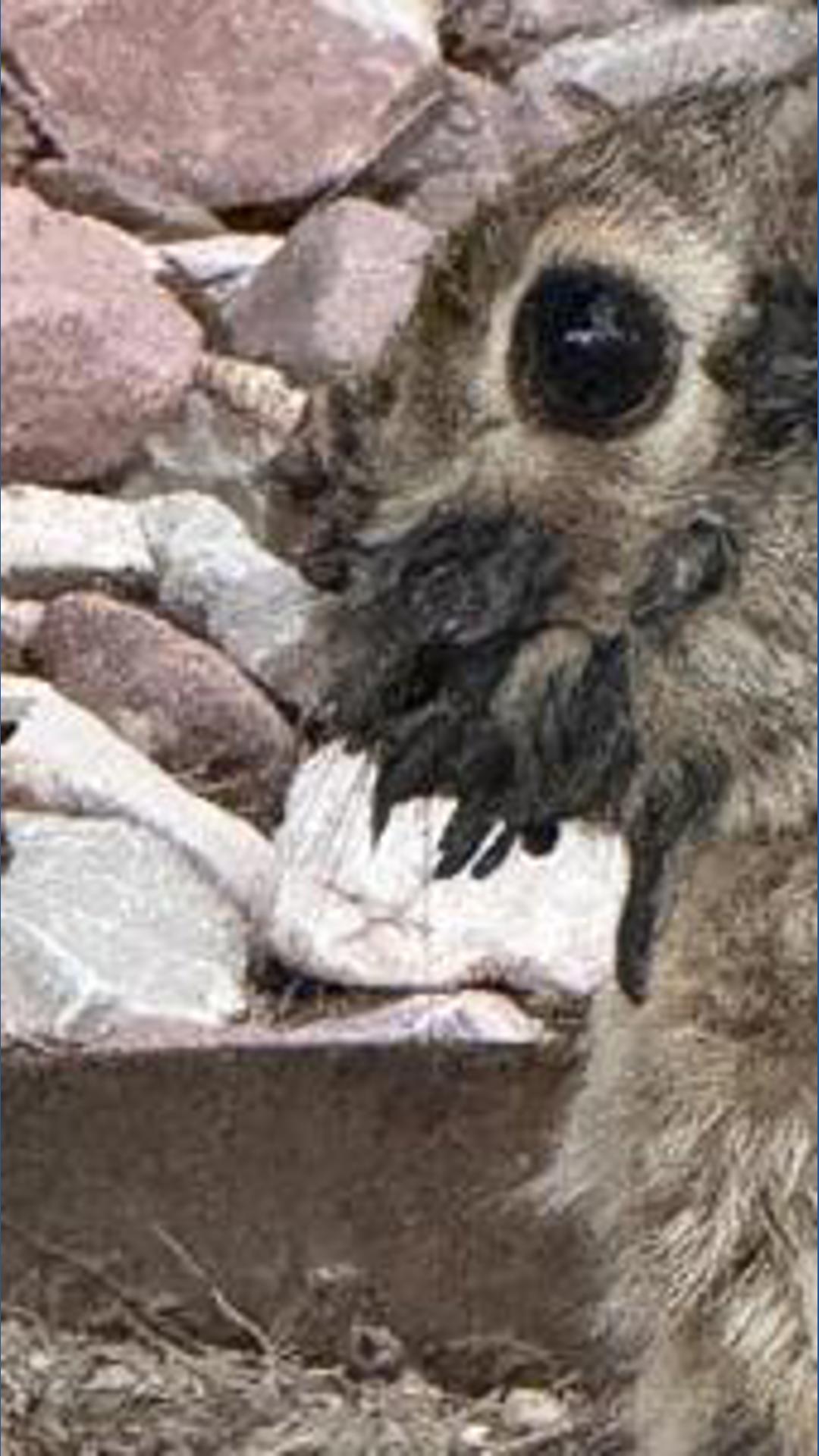
WTOL Channel 11: The Bizarre Phenomenon Explained
Local television broadcasts rarely capture national attention for anything other than major weather events or political scandals. However, internet culture has a unique way of elevating ordinary local news moments into viral legends. A prime example of this is the online fascination surrounding WTOL Channel 11: The Bizarre Phenomenon That's Baffling Scientists. For months, forums, social media threads, and video essays have tried to decode what this headline actually refers to, blending genuine curiosity with internet folklore.
To understand where this phrase comes from, we have to look at how local news reporting, particularly from trusted legacy stations like Northwest Ohio's WTOL 11, intersects with digital myth-making. Let us break down what is real, what is exaggerated, and why this phrase continues to puzzle curious web surfers.
The Origins of WTOL Channel 11
Before diving into any mysterious occurrences, it helps to establish context about the broadcaster itself. WTOL Channel 11 is a CBS-affiliated television station licensed to Toledo, Ohio. Established in the mid-20th century, it has long served as a primary source of news, weather, and community updates for the region.
Because regional stations often cover unusual local occurrences—ranging from strange weather patterns off Lake Erie to quirky human-interest stories—their archives are vast. Over the decades, segments featuring unusual natural phenomena have been broadcast, recorded on VHS tapes, and eventually uploaded to digital platforms like YouTube.
Lake Erie Weather Anomalies
One major reason local broadcasts from this region occasionally feature strange sights relates to geography. Situated on the western basin of Lake Erie, Toledo experiences unique meteorological effects:
- Seiches: Sudden, dramatic changes in water levels caused by wind and atmospheric pressure.
- Fata Morgana: Complex mirages caused by temperature inversions over the cold lake water, making distant objects look distorted or floating.
- Lake-Effect Snow Squalls: Intense, localized bands of heavy snow that can drop feet of snow in one neighborhood while leaving another completely clear.
When these phenomena are captured on live news cameras or Doppler radar, they can look surreal to viewers unfamiliar with Great Lakes geography. This visual oddity is often the seed from which viral internet legends grow.
Decoding WTOL Channel 11: The Bizarre Phenomenon That's Baffling Scientists
Video: Monitoring the latest on storm potential

If you search for the exact phrase "WTOL Channel 11: The Bizarre Phenomenon That's Baffling Scientists," you will likely encounter clickbait articles, TikTok videos, or Creepypasta-style fiction. In the modern digital landscape, sensationalized titles are engineered to maximize clicks rather than deliver peer-reviewed scientific breakthroughs.
Scientists are not actually baffled by a supernatural anomaly originating from a Toledo news station. Instead, the phrase is a textbook example of a sensationalized internet hook. Let us examine the two primary categories of content that fall under this umbrella:
- Misinterpreted Scientific Reports: Real segments where WTOL meteorologists reported on rare atmospheric conditions (such as unusual cloud formations like mammatus clouds or severe auroras visible unusually far south) get reframed online as "unexplained mysteries."
- Digital Hoaxes and Creepypasta: Fictional storytelling inspired by classic analog horror tropes, where a local broadcast is imagined to have intercepted a strange, unexplainable signal or broadcasted something impossible.
How Local News Becomes Viral Lore
The transformation of a standard news broadcast into a baffling scientific mystery happens through a predictable digital pipeline. First, a station airs a genuinely fascinating natural event—perhaps a rare optical illusion in the sky or an unusual animal migration. Second, a user clips the footage out of context and posts it with an exaggerated title. Finally, algorithms reward the dramatic framing, pushing it to millions of feeds who mistake creative editing for breaking news.
Separating Fact from Fiction
It is easy to get caught up in the allure of the unknown. Human beings are hardwired to look for patterns and mysteries. However, when it comes to broadcast archives and meteorological reports, the explanations are almost always rooted in physics, optics, or standard reporting.
If WTOL Channel 11 covers a bizarre phenomenon, viewers can rest assured that it is either a fascinating, fully explainable weather event or a piece of local human interest. Scientists do not use local news tickers to announce paradigm-shifting anomalies; those discoveries happen in academic journals and research facilities.
Conclusion
The internet fascination with WTOL Channel 11: The Bizarre Phenomenon That's Baffling Scientists highlights our collective appetite for mystery. While the headline itself is a product of modern clickbait culture and viral folklore, the station remains a legitimate, long-standing pillar of Ohio journalism. Next time you encounter a sensational title promising an unexplained scientific marvel from a local news broadcast, remember to check the facts—and appreciate the very real, very cool meteorology of the Great Lakes region that inspired it.