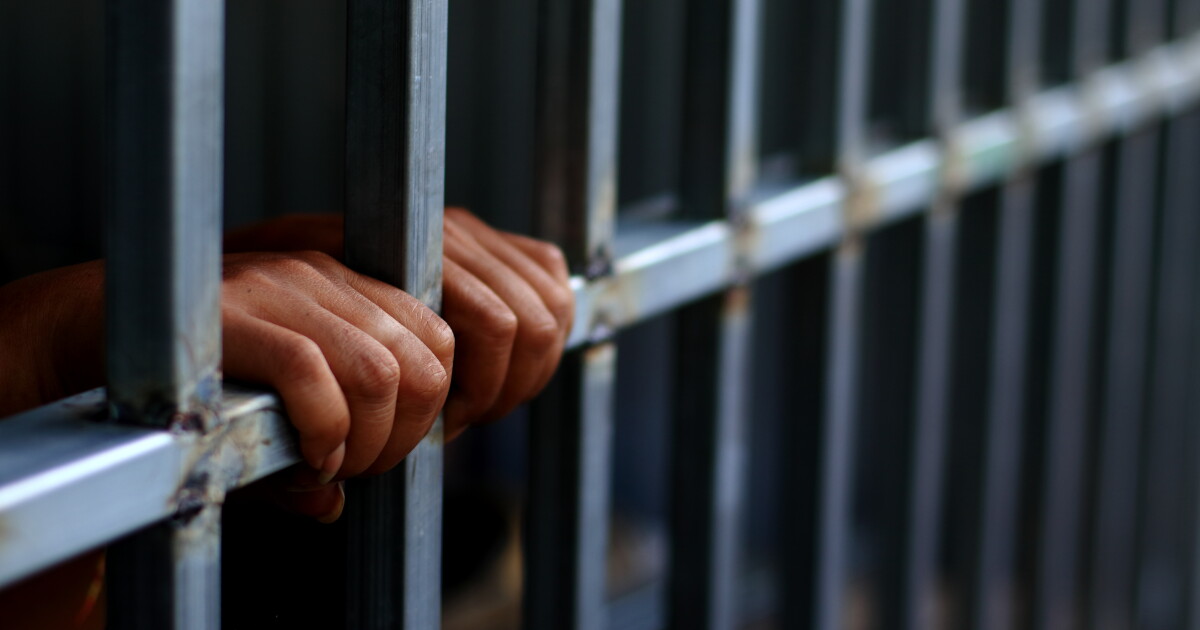
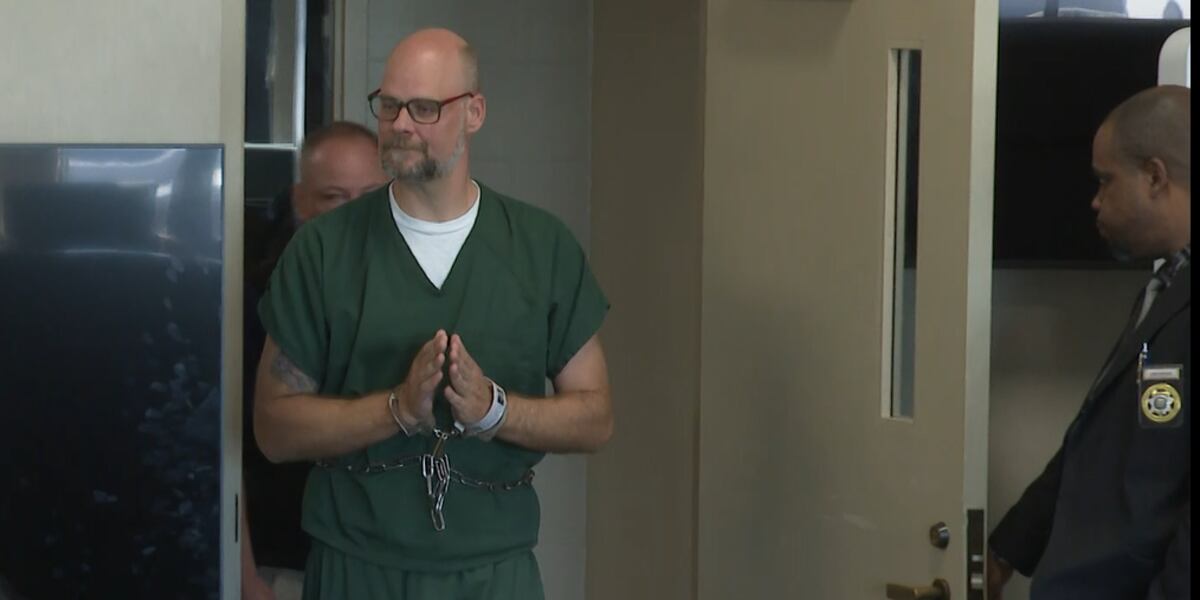
Xjail Okaloosa: Reducing Violence Behind Bars
Managing a correctional facility is one of the most complex challenges in modern public safety. In recent years, administrators, correctional officers, and community stakeholders have placed a heightened focus on the safety of both inmates and staff. Within this context, initiatives surrounding Xjail Okaloosa: Reducing Violence Behind Bars have gained significant attention for their proactive approach to institutional security.

Rather than relying solely on punitive measures, modern correctional strategies increasingly emphasize environmental design, behavioral intervention, and comprehensive staff training. By addressing the root causes of tension inside holding facilities, administrators aim to create environments where rehabilitation is possible and violence is minimized.
Understanding the Roots of Institutional Violence
To effectively curb violence, correctional leadership must first understand what drives conflict behind bars. Prisons and jails are high-stress environments populated by individuals who may already struggle with impulse control, substance abuse disorders, or untreated mental health conditions. Furthermore, overcrowding and limited access to constructive daily activities can exacerbate existing tensions.
Key risk factors that contribute to altercations include:
- Overcrowding and lack of personal space
- Unmanaged mental health crises
- Substance smuggling and illicit drug markets
- Gangs and informal power structures
- Inadequate communication channels between staff and the inmate population
Recognizing these friction points allows facility leadership to implement targeted interventions before minor disputes escalate into physical violence.
Core Strategies for Xjail Okaloosa: Reducing Violence Behind Bars
Implementing a violence-reduction framework requires a multifaceted approach. Facilities focusing on sustainable safety improvements typically deploy a combination of technological upgrades, policy shifts, and human-centric programming.
1. Enhanced Staff Training and Conflict De-escalation
Correctional officers are the frontline of defense in any detention facility. Traditional training often focused heavily on physical control tactics and use-of-force policies. Today, progressive facilities place equal emphasis on verbal judo, active listening, and conflict de-escalation techniques.
When officers can identify early signs of agitation and diffuse arguments through communication, the reliance on physical intervention drops dramatically. Ongoing training also helps officers manage implicit bias and maintain professional boundaries, fostering a more respectful and predictable environment.
2. Expanding Mental Health and Substance Abuse Treatment
A vast majority of individuals in the justice system suffer from behavioral health challenges. When these conditions go untreated inside a facility, the likelihood of behavioral outbursts increases.

Modern violence-reduction programs prioritize:
- Rapid mental health screenings upon intake
- Access to licensed psychiatrists, counselors, and psychiatric medications
- Evidence-based substance abuse recovery programs
- Peer support specialist networks that encourage positive behavioral changes
Treating the underlying behavioral health needs of inmates directly correlates with a calmer, more stable housing unit.
3. Purposeful Daily Programming and Inmate Engagement
Idle time is widely recognized as a catalyst for trouble behind bars. When inmates spend the vast majority of their day confined to cells or dayrooms without constructive outlets, frustration builds.
To combat this, facilities are expanding structured programming, including:
- Vocational training and educational classes (e.g., GED preparation, computer literacy)
- Cognitive-behavioral therapy (CBT) courses designed to address criminal thinking patterns
- Work assignments that instill accountability and routine
- Recreational and creative arts programs that provide healthy emotional outlets
By keeping individuals engaged in productive pursuits, facilities reduce the boredom and anxiety that often fuel gang recruitment and predatory behavior.
The Role of Facility Design and Technology
Physical architecture plays a massive role in inmate behavior. Older linear jail designs—characterized by long, blind-spot-heavy hallways and cells lining a single corridor—make constant supervision difficult and increase vulnerability to assaults.
Transitioning toward direct supervision models allows officers to be stationed directly inside the dayrooms with the inmate population. This setup encourages proactive communication, deters bullying, and allows staff to spot behavioral shifts immediately. Additionally, modern surveillance technology, upgraded lighting, and secure communication kiosks help maintain order without relying purely on intimidation.
Measuring Success and Looking Forward
Evaluating the effectiveness of violence-reduction initiatives requires continuous data collection. Facility administrators monitor metrics such as the frequency of disciplinary infractions, the number of use-of-force incidents, staff turnover rates, and participation numbers in voluntary rehabilitation programs.
While challenges remain, the broader adoption of comprehensive safety frameworks demonstrates that violence behind bars is not an inevitable reality. By treating the whole person, empowering well-trained staff, and modernizing facility operations, institutions can foster environments that prioritize human dignity, staff safety, and successful community reentry.