Yandere Bullies: Legal Consequences When Caught
In anime and internet subcultures, the "yandere" archetype represents an individual whose intense affection transforms into dangerous, obsessive, and violent behavior. While audiences might view this trope as entertaining fiction, its real-world counterpart is far darker. In everyday life, obsessive relational aggression and targeted intimidation are not romantic gestures—they are criminal offenses. When infatuation mutates into coercive control and targeted harassment, understanding the reality of "yandere bullies": the legal consequences they face when caught becomes an urgent necessity for victims, parents, and educators alike.
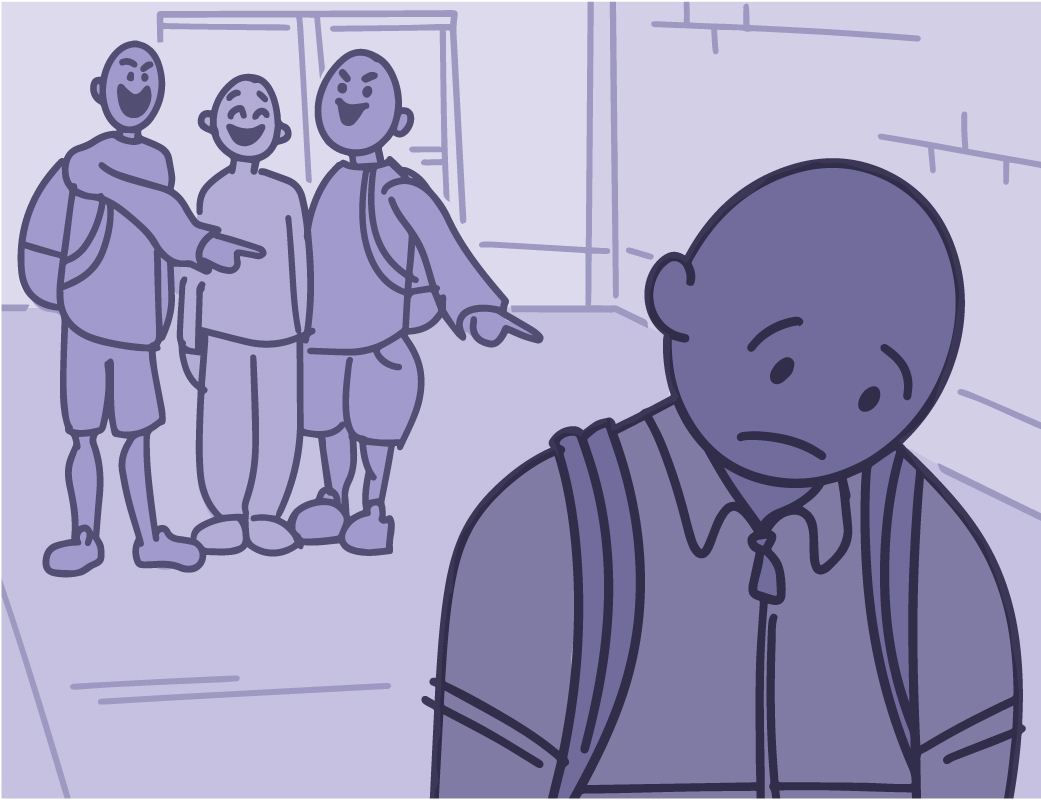
Defining Real-World "Yandere Bullying"
In legal terms, there is no statute labeled "yandere conduct." Instead, courts and law enforcement categorize this behavior under standard criminal statutes governing domestic abuse, stalking, and harassment. A real-world yandere bully typically targets two groups: the individual they are fixated on, and any perceived "rivals" (friends, family, or romantic partners who interact with that person).
Typical behaviors include:
- Surveillance and monitoring: Installing spyware on a target's phone, tracking their physical whereabouts via GPS, or monitoring their digital communications.
- Relational sabotage: Threatening, slandering, or physically assaulting anyone who speaks to the subject of their obsession.
- Coercive isolation: Demanding that the victim cut ties with friends and family under threat of self-harm or violence.
- Unsolicited contact: Inundating the victim with hundreds of daily calls, messages, or unwanted physical appearances at work, school, or home.
The Criminal Charges Obsessive Bullies Face
When an obsessive bully crosses the line from annoying behavior into persistent intimidation, law enforcement intervenes. Depending on the severity and duration of the conduct, perpetrators face a range of misdemeanor and felony charges.
1. Stalking and Aggravated Stalking
In almost every jurisdiction, stalking is defined as a repeated course of conduct directed at a specific person that would cause a reasonable person to feel terrorized, frightened, intimidated, or harassed. If the perpetrator possesses a weapon, violates an existing restraining order, or threatens physical harm, the offense is elevated to aggravated stalking, which is a major felony carrying mandatory prison sentences ranging from 2 to 20 years.
2. Cyberstalking and Electronic Harassment
Many obsessive bullies operate primarily online, using burner accounts, doxxing tactics, and location-tracking apps to terrorize their targets. Under federal statutes such as 18 U.S.C. § 2261A and corresponding state cyber-harassment laws, using electronic communication systems to cause substantial emotional distress or fear of death or serious bodily injury carries severe penalties, including hefty fines and federal prison time.
3. Assault, Battery, and False Imprisonment
When obsessive intimidation escalates to physical intervention—such as cornering a target, grabbing their wrist, preventing them from leaving a room, or physically attacking a perceived romantic rival—the perpetrator faces battery and false imprisonment charges. In many states, cornering someone in an enclosed space without letting them leave constitutes unlawful restraint or kidnapping, which dramatically escalates the severity of criminal prosecution.
"Yandere Bullies": The Legal Consequences They Face When Caught
Once caught, perpetrators quickly discover that courts treat obsessive behavior with zero leniency. The judicial system does not consider "passionate love" or "protective jealousy" an affirmative defense; rather, judges frequently view obsessive patterns as proof of premeditation.

Restraining Orders and Contempt of Court
The first legal barrier erected against an obsessive bully is typically a protective order, restraining order, or emergency injunction against harassment. These orders legally mandate that the defendant stay a specified distance away from the victim, their residence, workplace, and school, while prohibiting all direct and third-party communication.
Violating a protective order is an immediate criminal offense. In most states, law enforcement operates under a mandatory-arrest policy for protective order breaches. A single text message, email, or social media "like" can result in the bully being arrested immediately, held without bail, and charged with criminal contempt or felony violation of an order.
Juvenile vs. Adult Adjudication
Because obsessive bullying frequently manifests among teenagers and young adults in high school or university settings, many perpetrators assume their age shields them from real punishment. While minor offenders are usually processed through juvenile court, serious stalking, digital extortion, or violent physical attacks can result in a minor being certified as an adult, exposing them to standard state penitentiary sentences.
Civil Liability and Financial Destruction
Criminal charges are only half the battle. Victims of obsessive bullying and their targeted rivals frequently pursue civil lawsuits against their tormentors to recover damages for the harm inflicted.
- Intentional Infliction of Emotional Distress (IIED): Plaintiffs can sue for the severe emotional trauma, panic disorders, and depression caused by persistent harassment, recovering damages for medical bills, therapy costs, and lost wages.
- Invasion of Privacy: Installing tracking devices, taking non-consensual photos, or hacking digital accounts creates clear liability for intrusive invasion of privacy.
- Defamation and Slander: If the bully spread lies to ruin a rival's reputation, career, or academic standing, they can be ordered to pay substantial compensatory and punitive damages.
In cases involving minors, parents can also be held financially liable under parental responsibility laws if they were aware of their child's predatory conduct and failed to stop it.
Long-Term Collateral Consequences
The fallout from an arrest for stalking or obsessive harassment follows an offender for the rest of their life. Beyond immediate jail time or probation, convicted bullies face irreversible personal and professional consequences:
- Academic Expulsion: Colleges and universities enforce strict Title IX codes and student conduct policies. Accused students routinely face disciplinary suspension or permanent expulsion, forfeiting their tuition and academic records.
- Permanent Criminal Record: Stalking and harassment convictions appear on standard background checks, barring offenders from careers in education, healthcare, finance, government, and law.
- Loss of Civil Rights: Felony convictions result in the permanent revocation of the right to own or possess firearms, as well as the loss of voting rights in several states during the term of sentence and parole.
Steps to Take If You Are Targeted
If you or someone you know is dealing with an obsessive, possessive harasser, early legal intervention is critical before the behavior escalates further. Follow these immediate steps:
- Do Not Engage: Explicitly state once that you want no further contact, then cease all responses. Responding—even negatively—often reinforces the stalker's fixation.
- Preserve All Evidence: Take timestamped screenshots of messages, preserve voicemails, keep physical notes, and log every incident with dates, times, and descriptions.
- File for a Protection Order: Visit your local courthouse to request an emergency temporary protective order.
- Notify Authorities and Institutions: Report the behavior to local police, campus security, and human resources departments so institutional safety plans can be implemented.
Obsession is neither an excuse nor a romantic trait. The law views relentless intimidation as a direct threat to public safety, and those who engage in it face severe, life-altering legal penalties.