Yarns by Design: Mastering Fiber, Twist, & Gauge
Every textile project begins long before the first stitch is worked. It begins at the spinning wheel, the blending card, or the mill. When you choose yarns by design, you shift from simply picking a pretty color off a shelf to engineering a finished fabric that performs exactly the way you intend. Understanding the interplay between raw fiber characteristics, mechanical spinning choices, and structural finishing gives crafters complete creative control over warmth, drape, stitch definition, and longevity.

Understanding Fiber Anatomy: The Foundation of Yarn Performance
Fiber content is the single most influential variable in how a finished garment behaves. While any yarn can technically be knit or crocheted into a square, its chemical composition determines whether that square sags, pills, insulates, or survives repeated washing.
Protein Fibers: Warmth, Elasticity, and Memory
Sourced from animals, protein fibers are naturally crimped and scaled. This microscopic structure traps air pockets, making them nature’s premier insulators.
- Wool: Sourced primarily from sheep, wool features natural crimp that provides unmatched mechanical memory and elasticity. Garments spring back into shape after stretching, making wool the gold standard for sweaters, hats, and structured garments.
- Alpaca: Hollow-cored and virtually lanolin-free, alpaca offers superior thermal retention compared to wool of equal weight. However, it lacks crimp, meaning it tends to grow and drape heavily rather than snap back.
- Silk: Formed by solid filaments produced by silkworms, silk possesses tensile strength rivaling steel of equal diameter. It provides exceptional luster and fluid drape, though it offers zero natural elasticity.
Cellulose Fibers: Breathability, Crispness, and Weight
Plant-based fibers behave fundamentally differently from animal coats. They do not possess scales or internal air pockets, leading to cool, dense, and fluid textiles.
- Linen: Spun from the flax plant, linen fibers are smooth, inelastic, and exceptionally strong when wet. Linen softens dramatically with wear and washing, lending a rustic, elegant fall to summer garments.
- Cotton: Highly absorbent and dense, cotton creates breathable warm-weather fabrics. Without the crimp of wool, heavy cotton garments will stretch downward under their own weight over time.
- Viscose / Bamboo: Extracted cellulose chemically reconstituted into smooth fibers. These provide intense sheen and liquid-like drape, but they absorb significant water weight and lose tensile strength when damp.
Engineering the Skein: How Twist and Ply Impact Fabric
A yarn’s personality is not dictated by fiber alone. The mechanical architecture—how individual strands are spun and bundled together—radically alters stitch appearance, durability, and tactile feel.
Single-Ply vs. Multi-Ply Construction
A single-ply yarn (often called a roving yarn) consists of fibers held together simply by twist, without counter-twisting against another strand. This produces a soft, pillowy texture that highlights dye absorption and soft halos. However, singles pill rapidly under friction and lack structural resilience.
Multi-ply yarns twist two or more individual strands together in the opposite direction of their initial spin. This creates balance, increases abrasion resistance, and transforms the yarn profile from flat to rounded. A round, multi-ply yarn yields crisp, three-dimensional stitch definition that makes cables and textured ribbing pop cleanly off the fabric.
Twist Angle and Fiber Direction
The amount of turns per inch (TPI) determines a yarn’s density:
- Low-Twist Yarns: Fluffy, airy, and soft against sensitive skin, but vulnerable to snagging, fuzzing, and abrasion.
- High-Twist Yarns: Dense, firm, and hard-wearing. High-twist yarns naturally resist pilling and shed water or dirt more effectively, making them ideal for heavy-use accessories.
- S vs. Z Twist: Most commercial plied yarn is plied with an S-twist (counterclockwise). Depending on whether you knit continental, throw English style, or crochet, the mechanical action of your hook or needle will either slightly tighten or untwist your yarn as you work.
Selecting Yarns by Design for Specific Projects
To avoid disappointment, the structural demands of the finished object must match the profile of the yarn you choose. Here is how to pair materials thoughtfully based on intentional design parameters.
1. Hard-Wearing Footwear and Gloves
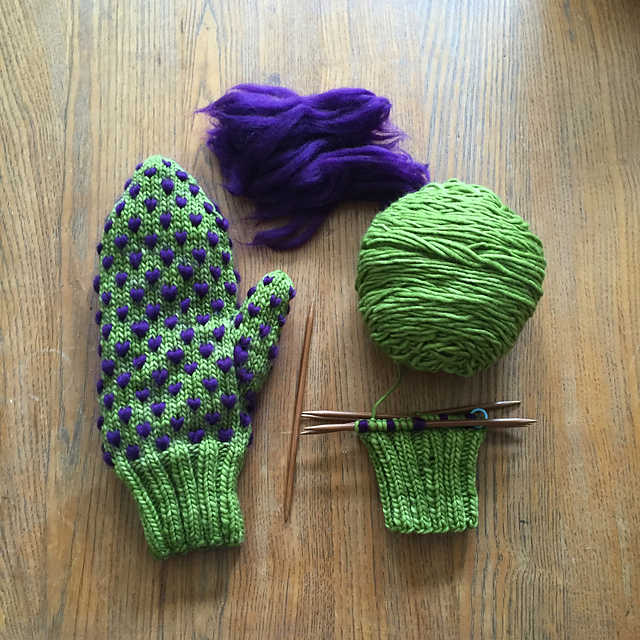
Socks endure friction against skin and shoes, concentrated body weight, and frequent laundering. Selecting pure merino or loose singles for socks guarantees holes at the heel and toe within a few wears.
The Ideal Choice: A 3- or 4-ply fingering weight blend composed of 75–80% high-twist wool (such as Corriedale or Cheviot, which feature higher micron counts and durability) and 20–25% nylon. The nylon acts as a reinforcing scaffold that halts abrasion, while the high ply count prevents premature thread thinning.
2. Tailored Sweaters and Fitted Cardigans
Garments with set-in sleeves, collars, and waist shaping require stability. They must maintain their silhouette through daily wear without drooping at the elbows or sagging past the hips.
The Ideal Choice: Woolen-spun or semi-worsted medium-weight wools (such as DK or worsted weight). Woolen-spun yarns trap air during processing, producing ultralight garments with strong lateral resilience and thermal efficiency. Avoid unblended plant fibers or slippery synthetics for highly structured cardigans.
3. Fluid Shawls and Warm-Weather Tops
When the design calls for sweeping movement, bias drape, or open lace patterns, structural elasticity is secondary to fluidity and stitch openness.
The Ideal Choice: Blends incorporating linen, silk, or tencel. These materials do not fight gravity; they surrender to it, producing garments that settle smoothly along the body’s contours. Furthermore, lace motifs worked in crisp plant or silk fibers block open permanently, accentuating delicate negative space.
Yarn Weight, Wraps Per Inch (WPI), and Gauge Reality
Standard craft categories (Fingering, Sport, DK, Worsted, Chunky) are approximations rather than precise measurements. Two skeins classified as "Worsted" can have substantially different physical diameters, fiber densities, and yards per gram.
To accurately assess a yarn's true physical size before swatching, calculate its Wraps Per Inch (WPI):
- Take a standard wooden ruler and your yarn.
- Wind the strand around the ruler smoothly, laying adjacent loops side-by-side without overlapping or stretching the yarn taut.
- Count how many wraps fit inside one measured inch.
A lower WPI signifies a thicker yarn requiring larger needles or hooks, while a higher WPI indicates a fine thread. Comparing WPI allows you to substitute yarns across brands with analytical confidence instead of guesswork.
The Importance of Blocking Your Swatch
A raw swatch fresh off the needles only tells half the story. The true test of your design selection happens after the fabric has experienced water, agitation, and drying.
Many fibers, particularly superwash wools and plant blends, undergo substantial dimensional shifts when soaked. Superwash treatments chemically strip or coat fiber scales, which prevents felting but allows fibers to relax and stretch significantly when wet. If you bypass swatching, washing, and drying your test swatch using the exact methods you plan to use for the final piece, your perfectly measured garment may grow two sizes overnight.
Conclusion: Bringing Purpose to Your Craft
Approaching fiber arts with an engineer’s eye transforms both the making process and the longevity of the finished object. By evaluating fiber origins, ply mechanics, and twist tension, you can curate materials that work with your pattern rather than against it. When you build textiles with yarns chosen consciously by design, your finished pieces will consistently look better, fit precisely, and endure for decades.