You’re Wrong About Engagement: Doubelist Methods
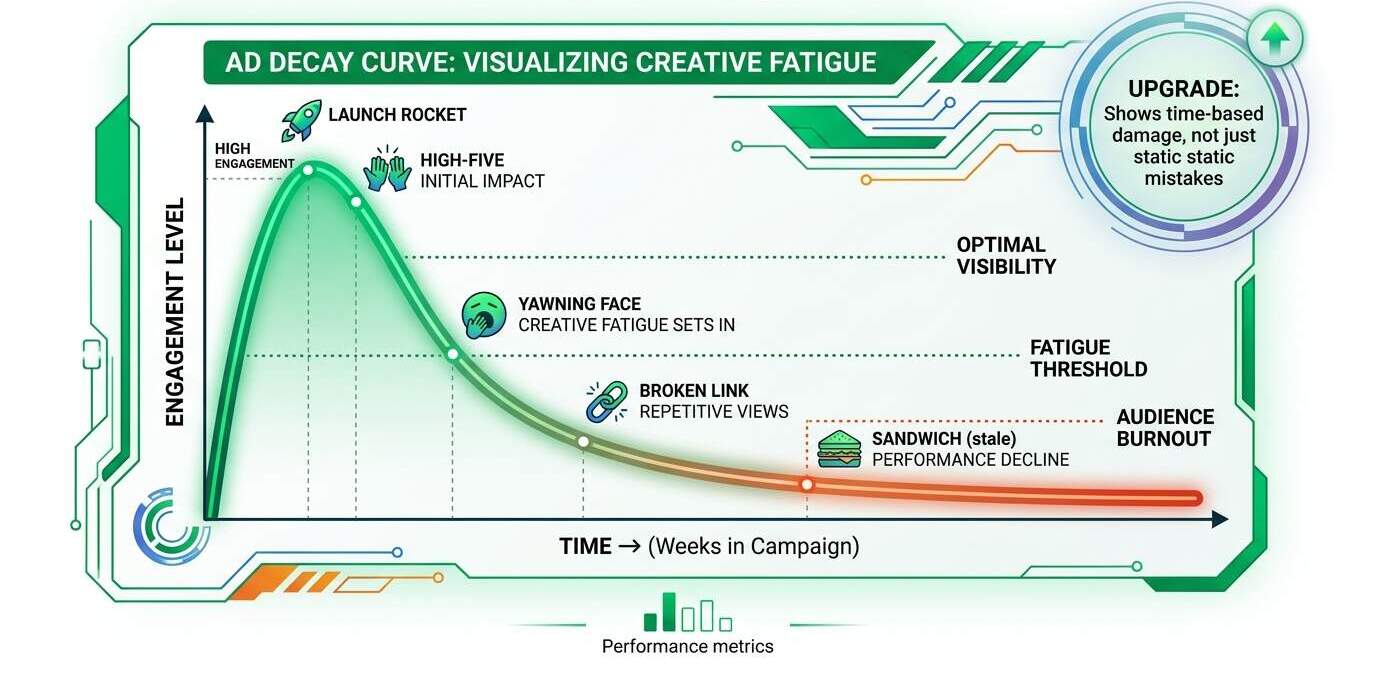
For years, digital marketers and content creators have chased the same vanity metrics: likes, shares, broad impressions, and surface-level follower counts. We are told that higher numbers equal higher success, and that a viral post solves every underlying business problem. But if your dashboard is glowing green with engagement while your conversion rates stay flat, something is fundamentally broken. You’re wrong about engagement, and alternative Doubelist methods prove otherwise.

True audience connection does not stem from passive double-taps or algorithmic noise. It comes from intentional design, hyper-targeted placement, and a fundamental understanding of human psychology. By examining how alternative platforms and unconventional outreach strategies operate—often encapsulated by modern Doubelist methods—we can overhaul our approach to digital interaction and build systems that actually drive results.
The Flawed Paradigm of Modern Engagement
To understand why traditional strategies fail, we must first look at how major social networks condition us to think. Platforms are incentivized to keep users scrolling. Consequently, they reward content that provokes immediate, emotional, and often superficial reactions. Outrage, aesthetics, and clickbait thrive in this environment.
However, this creates a dangerous illusion. A post with ten thousand likes might generate zero revenue, zero brand loyalty, and zero meaningful conversations. Users have become numb to standard calls-to-action. They scroll past generic polls, automated comment prompts, and forced interactive stickers without a second thought. Relying on these tactics is a losing game.
Why Vanity Metrics Lie
Vanity metrics distort reality because they measure activity, not intent. Consider the following breakdown of why standard engagement metrics mislead brands:
- Algorithms inflate passive actions: An accidental pause on a video counts as a view, skewing performance data.
- Bots and automation distort communities: A massive percentage of social media interaction is now driven by automated scripts rather than real humans.
- Attention spans are transactional: A like takes zero financial or emotional investment. It does not mean the user values your product or message.
Breaking Down Alternative Doubelist Methods
If superficial metrics no longer work, what does? Alternative engagement frameworks—informally categorized around the lean, direct-response principles popularized by classified and alternative community boards like Doubelist—focus on high-intent, low-friction human connection. Instead of shouting to a crowded room, these methods focus on whispering directly into the ear of the exact person who wants to listen.
Here are the core pillars that make these unconventional approaches so effective:
1. Hyper-Specificity Over Broad Appeal
Traditional marketing teaches you to cast a wide net to catch as many fish as possible. Alternative frameworks do the opposite: they use a spear. By narrowing your focus to a hyper-specific niche, pain point, or geographic location, you eliminate the noise.

When you write content or outreach messages that speak directly to a very specific set of circumstances, the response rate skyrockets. The reader stops and thinks, "Finally, someone is talking directly to me." That is the exact opposite of passive scrolling.
2. Intentional Friction Reduction
While mainstream platforms add layers of gamification, alternative methods strip away everything that stands between the user and the core message. There are no bloated landing pages, no multi-step pop-ups, and no confusing navigation.
The communication is direct, honest, and functional. By respecting the user's time and intelligence, you build immediate trust. Trust is the ultimate currency of modern engagement.
3. Peer-to-Peer Positioning
Corporate-speak kills engagement. When a brand sounds like a faceless conglomerate reading from a compliance script, consumers tune out. Doubelist-style approaches succeed because they treat the audience like peers sitting across a table.
Tone matters. Conversational, human, and slightly informal language signals safety and authenticity. People do business with people they like and understand, not corporate entities.
How to Apply These Principles to Your Strategy
You do not need to abandon your current marketing channels to benefit from these insights. Instead, you can integrate high-intent, direct engagement tactics into your existing workflows. Here is how to start rebuilding your approach from the ground up:
- Audit your current metrics: Stop tracking likes and impressions as primary KPIs. Shift your focus to direct messages initiated, community retention, and conversion velocity.
- Rewrite your copy for the individual: Write your emails, ads, and social posts as if you are speaking to a single person in a quiet room, rather than addressing an arena.
- Simplify your funnels: Remove every unnecessary step between the moment a user shows interest and the moment they take action.
- Prioritize depth over scale: Having fifty deeply engaged, loyal community members is infinitely more valuable than having fifty thousand indifferent followers who ignore your updates.
Conclusion
The digital landscape is evolving rapidly, and audiences are wiser to marketing tricks than ever before. If you cling to the belief that more noise equals better results, your campaigns will continue to underperform. Once you realize that you’re wrong about engagement, you can pivot toward strategies that prioritize intent, clarity, and genuine human connection. Adopt the focused, direct mindset of alternative community methods, and watch your real engagement transform.