You Won’t Believe What Died in Breckie Hill’s After Shower Leak
If you have spent any time browsing trending entertainment forums or social media feeds recently, you may have encountered a headline so surreal it demands a double-take: You Won’t Believe What Died in Breckie Hill’s After Shower Leak. At first glance, the phrase reads like an algorithmic fever dream, combining celebrity gossip, sensational shock value, and an unsettlingly bizarre premise. Yet thousands of curious users have plugged this exact string into search engines, hoping to decipher whether it refers to a genuine scandal or an elaborate internet prank.
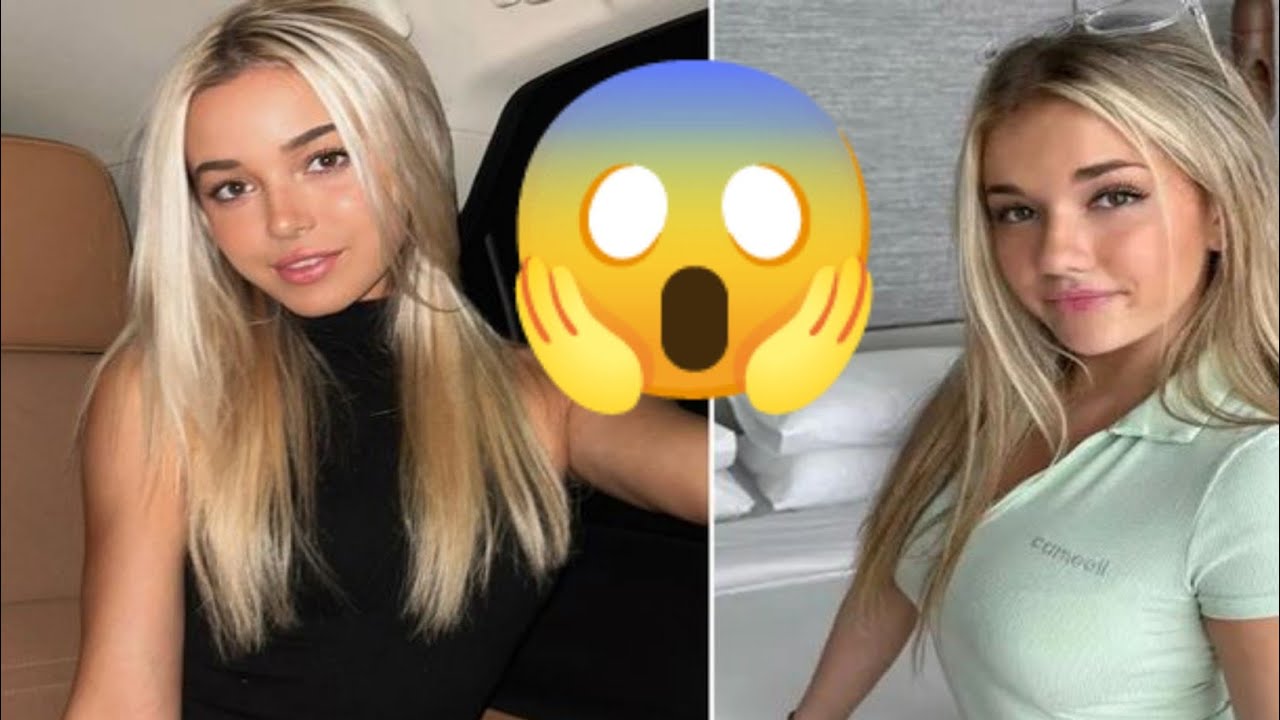
The short answer is straightforward: nothing died, and the phrase itself does not describe a real event. Instead, it serves as a case study in modern internet culture, search engine poisoning, and the aggressive tactics used by shady ad networks to monetize viral creator controversies. To understand why this headline exists, it helps to examine the background of the influencer, the mechanics of digital clickbait, and the hazards awaiting users who follow these mysterious links.
Deconstructing the Headline: Fact vs. Fiction
Whenever an absurd headline circulates online, discerning fact from fiction requires looking at credible reporting. Breckie Hill is a prominent TikTok creator and digital influencer known for her lifestyle content, rapid follower growth, and frequent feuds with other internet personalities. Like many high-profile creators, her name frequently appears in trending topics and forum discussions.
However, the claim implied by the phrase—that some creature, object, or bizarre biological entity was discovered in a leak following a shower—has zero basis in reality. There is no police report, no legitimate news article, and no video corroborating this story. The entire narrative is synthetic, constructed out of fragmented internet rumors designed to provoke disbelief and compel users to click through to third-party domains.
The Origin of the Breckie Hill Shower Controversy
To trace how such a wild rumor formed, one must look at the recurring issues surrounding unauthorized media leaks in the influencer ecosystem. In early 2023, discussions began circulating across platforms like X (formerly Twitter), Reddit, and Telegram alleging that personal, unauthorized media involving Breckie Hill had been leaked online.
Unauthorized leaks involving digital creators frequently spark a frenzy among bad actors looking to exploit public curiosity. When authentic interest in a trending topic peaks, automated bot accounts and spammers flood comment sections, forums, and search indexes with variations of keywords related to the creator. Over time, these phrases mutate as bots test different shock-value combinations to evade automated moderation filters and maximize click-through rates.
Why "You Won’t Believe What Died in Breckie Hill’s After Shower Leak" Went Viral
The emergence of bizarre phrases like You Won’t Believe What Died in Breckie Hill’s After Shower Leak is not accidental; it is the byproduct of deliberate search optimization techniques known as "parasite SEO" and automated headline generation.
- Algorithmic Shock Value: Standard clickbait often relies on predictable formulas, but hyper-specific and confusing phrases provoke intense cognitive curiosity. When a user reads that something "died" in an influencer's bathroom leak, the brain struggles to connect the concepts, prompting an immediate Google search.
- Evading Content Filters: Mainstream social platforms actively block explicit keywords or links related to non-consensual image abuse. Spammers bypass these guardrails by generating surreal, non-explicit headlines that still signal the scandal without triggering automated bans.
- Keyword Churn: Shady affiliate websites frequently use automated text spinners to churn out thousands of low-quality articles daily. These algorithms stitch together trending search terms—such as an influencer's name and high-ranking drama keywords—with provocative verbs to harvest residual organic search traffic.
The Digital Risks Behind Sensationalist Clickbait
Video: BRECKIE HILL *FREAKS OUT* After CLIX LEAKS Her SHOWER Video While Rating PETERBOT & Pros On Stream!
While encountering odd headlines might seem harmless or entertaining on the surface, searching for or clicking on these phrases carries real cybersecurity risks. The websites that host these landing pages rarely deliver the content they advertise.
1. Malicious Redirects and Adware
Most pages ranking for bizarre long-tail queries rely on aggressive redirect scripts. A user clicking a link expecting an explanation is often bounced through multiple ad exchanges before landing on a page pushing fake browser updates, push-notification scams, or aggressive adult affiliate programs.
2. Phishing and Credential Harvesting
Some of these links lead to fake login screens mimicking Discord, Telegram, or Twitter. These pages claim users must "log in to verify age" before viewing the alleged video, effectively capturing the victim's login credentials and two-factor authentication tokens.
3. Malware and Drive-By Downloads
In worse scenarios, visiting compromised domains hosting synthetic celebrity gossip exposes devices to drive-by malware downloads. These scripts exploit unpatched vulnerabilities in web browsers to install keyloggers or information stealers on the visitor's machine.
How to Navigate Viral Influencer Scandals Safely
As internet culture continues to move at a relentless pace, sensationalized headlines targeting popular figures will only become more common. To protect your digital security and avoid wasting time on manufactured drama, keep the following guidelines in mind:
- Check Established Outlets: If a genuine news event occurs involving a prominent internet personality, reputable digital culture outlets like Dexerto, NBC News, or Rolling Stone will cover it. If the story exists solely on auto-generated blogs or burner accounts, it is almost certainly fake.
- Avoid Unverified Shortened Links: Never click on shortened URLs (such as bit.ly or tinyurl) posted in the replies of trending social media posts, particularly those promising exclusive or leaked footage.
- Use Robust Ad and Script Blockers: If you must research unusual trends, ensure your browser is equipped with a reputable content blocker to prevent unauthorized redirects and malicious scripts from executing.
- Respect Creator Boundaries: Non-consensual content leaks represent a serious violation of individual privacy. Refraining from searching for, distributing, or engaging with material related to private leaks helps disincentivize bad actors from exploiting creators.
Final Thoughts
The rumor surrounding Breckie Hill and her supposed post-shower discovery is a quintessential example of modern search bait. It combines the popularity of a well-known creator with a jarring, nonsensical premise designed to manipulate algorithms and exploit human curiosity. By understanding how these clickbait networks operate, readers can better identify online hoaxes, safeguard their personal data, and separate genuine digital news from predatory internet spam.


