Your Digital Profile Exposed: What Happens Next?
Understanding the Scale of Modern Data Leaks
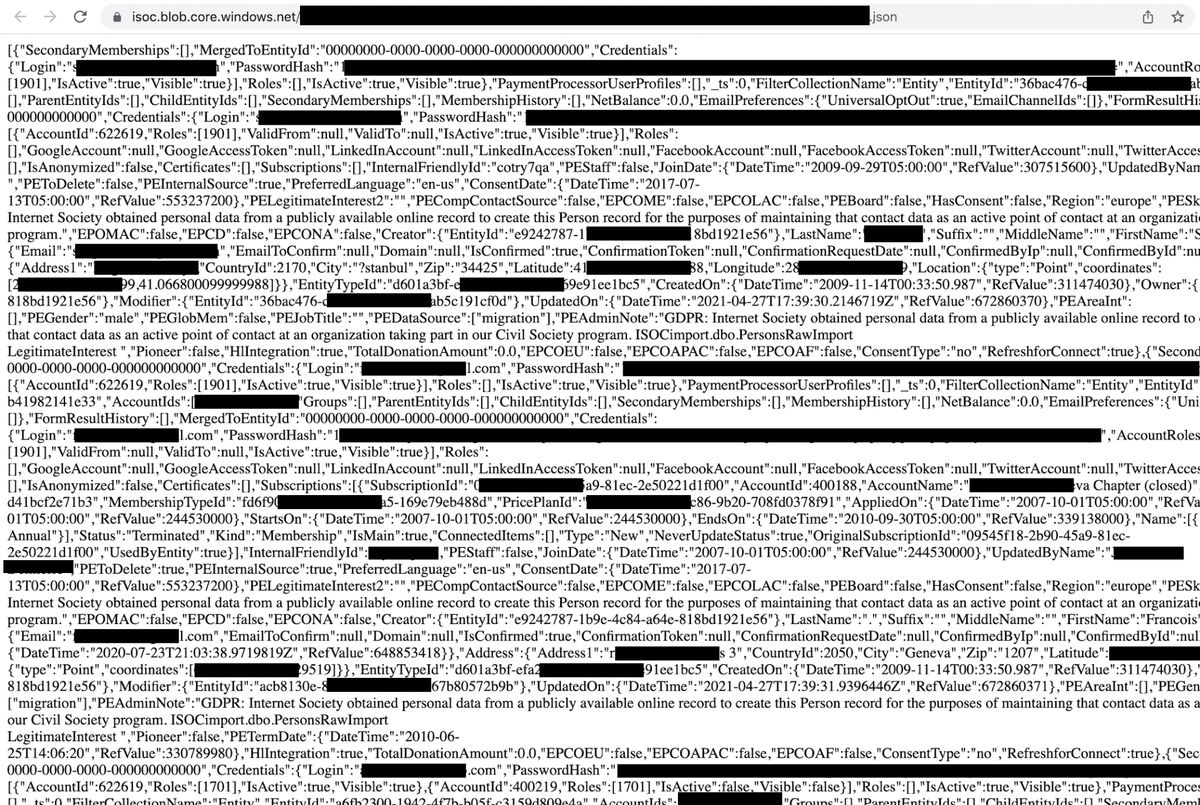
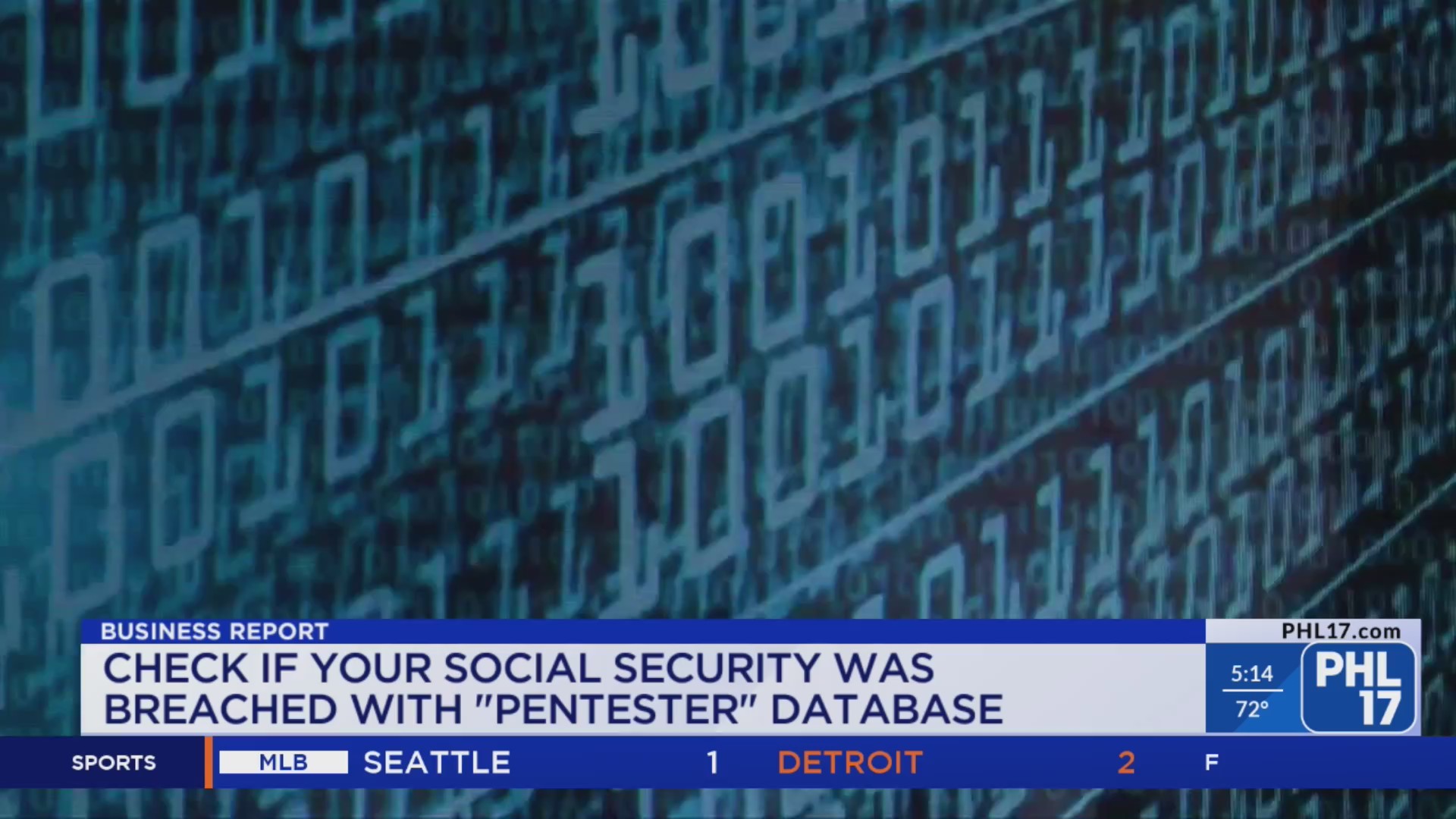
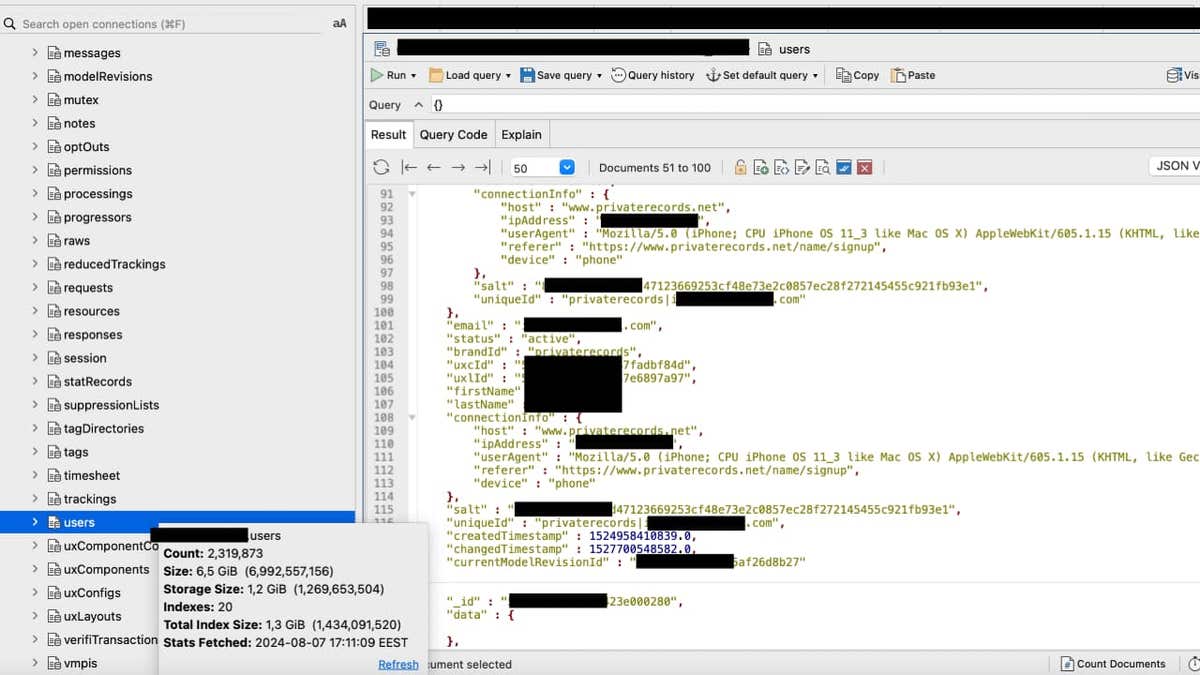
Data breaches are no longer rare occurrences making distant headlines; they are a constant backdrop to modern digital life. When a massive data dump hits the dark web, headlines often scream that A Leaked File Just Exposed Your Complete Digital Profile – What Happens Next? For the average internet user, reading this can trigger an immediate sense of helplessness. Your emails, passwords, purchase histories, location data, and hashed social security numbers are likely floating in a massive, searchable database traded by cybercriminals.
To understand what happens next, you first need to understand what a "complete digital profile" actually contains. It is rarely just a single password. Modern data aggregators and breached databases combine information from multiple sources—social media scraping, e-commerce purchase logs, browser history, and previous corporate leaks—to build a comprehensive dossier on you. This profile knows your habits, your financial standing, your family members, and your daily commute.
What Cybercriminals Do With Your Digital Profile
Once your information is packaged into a leaked file and circulated among malicious actors, it goes through several distinct monetization phases. Knowing how bad actors use this data helps you anticipate their moves and erect effective defenses.
Credential Stuffing and Account Takeovers
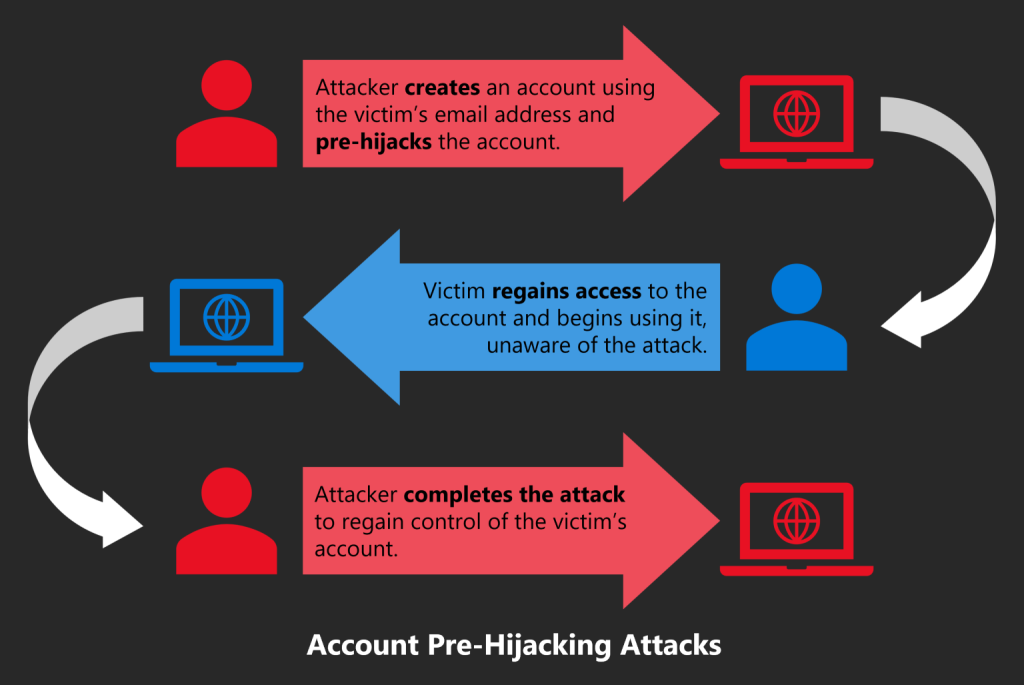
The most immediate threat following a leak involves automated attacks on your active accounts. If your password was part of the leaked file, automated bots will test that exact combination across hundreds of popular platforms—banking, streaming, email, and social media. This is known as credential stuffing. Because most people reuse passwords, hackers often gain instant access to multiple accounts within minutes of a file release.
Spear Phishing and Tailored Social Engineering
Generic phishing emails are easy to spot, but a spear phishing campaign powered by a complete digital profile is terrifyingly convincing. Cybercriminals know your recent purchases, your bank name, your employer, and your hobbies. They can craft an email or text message that looks entirely authentic, tricking you into handing over two-factor authentication (2FA) codes, transferring funds, or clicking malware-laden attachments.

Synthetic Identity Fraud
When bad actors possess fragments of your personal identifiable information (PII) like your date of birth, address history, and partial social security number, they can combine real data with fake details to open fraudulent lines of credit. Unlike traditional identity theft, synthetic identity fraud can go undetected for months or years because the victim's primary credit report may not show immediate alerts.
Immediate Steps to Protect Yourself
If you suspect or know that your information has been compromised in a major breach, panic is your enemy, but speed is your ally. Follow this practical checklist to contain the damage:
- Change Compromised Passwords Immediately: Start with your primary email accounts and financial institutions. Never reuse passwords across sites.
- Enable Hardware-Based 2FA: Move away from SMS-based two-factor authentication, which is vulnerable to SIM-swapping, and adopt authenticator apps or security keys.
- Freeze Your Credit: Contact the major credit bureaus (Equifax, Experian, and TransUnion) to freeze your credit reports. This prevents anyone from opening new loans in your name.
- Check Breach Notification Tools: Use reputable services to see exactly which of your credentials were exposed in the recent leak.
Long-Term Strategies for Digital Self-Defense
Surviving a major data exposure requires shifting from a reactive mindset to proactive digital hygiene. You cannot control corporate security practices, but you can control your own digital footprint.
First, adopt a reliable password manager. These tools generate and store complex, unique passwords for every single account you own, making credential stuffing completely ineffective. Second, minimize the data you share. Audit your social media profiles, delete unused apps, and close old online accounts that you no longer actively use.
Finally, consider adopting privacy-focused alternatives for your daily browsing, email, and messaging needs. By reducing the surface area of your digital profile, you make yourself a much harder target for the next leak that inevitably makes the news.