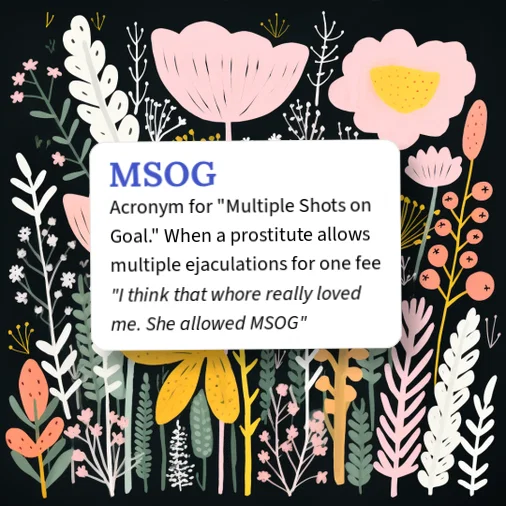
Your MSOG Slang Cheat Sheet Is Here Now
Internet culture moves at a blinding pace. One day you feel completely caught up on viral trends, and the next, a whole new lexicon of acronyms and abbreviations floods your social media feeds. If you have been scratching your head trying to decipher cryptic messages in chat rooms, forums, or multiplayer game lobbies, do not worry. Your MSOG Slang Cheat Sheet Is Here Now to rescue you from linguistic confusion.

Understanding this modern digital vernacular is more than just keeping up with trends—it is about connecting with communities, understanding memes, and participating in online spaces without feeling left behind. Let's break down the essential terms, origins, and proper contexts for the vocabulary shaping the digital world today.
Decoding Modern Digital Culture
Digital communication relies heavily on speed, efficiency, and shared inside jokes. This has led to the creation of a specialized vocabulary that blends gaming terms, platform-specific culture, and rapid-fire texting abbreviations. To navigate these spaces effectively, you need to know not just what words mean, but how they are deployed in context.
Core Terms and Acronyms
Online conversations are peppered with shorthand expressions designed to convey tone, status, or reaction instantly. Here are some of the most frequent terms you will encounter:
- AFK (Away From Keyboard): Used when a user needs to step away from their device temporarily during an online session.
- Bussin: Originally popularized in food culture, this term now describes anything that is exceptionally good, impressive, or high quality.
- Cap / No Cap: "Cap" means lying or exaggerating, while "no cap" means telling the absolute truth or speaking honestly.
- Rizz: Short for charisma, this refers to someone's romantic charm and ability to flirt effortlessly.
- Touch Grass: A humorous command directed at someone who spends too much time online, advising them to go outside and experience the physical world.
Gaming and Community Lingo
Virtual worlds and streaming platforms have heavily influenced mainstream slang. Gamers and digital natives use specific vocabulary to describe gameplay mechanics, social dynamics, and competitive performance.

- Buff/Nerf: A "buff" is an improvement to a character or weapon in a game, while a "nerf" is a deliberate weakening of something that was previously considered too powerful.
- Griefer: A player who intentionally irritates or ruins other players' experiences within a multiplayer game rather than playing by the intended rules.
- Meta (Most Effective Tactic Available): The overarching strategy or dominant playstyle currently favored by the community to win games or achieve goals.
- Smurf: An experienced player who creates a secondary, low-level account to easily defeat inexperienced beginners in competitive matches.
How to Use Slang Without Cringe
Using internet slang effectively is an art form. Force or mistimed usage can quickly make someone sound out of touch—a phenomenon often referred to by younger generations as "cringe." If you want to integrate these terms naturally into your vocabulary, keep a few golden rules in mind.
First, know your audience. Professional emails, formal writing, and academic papers are never the right places for digital shorthand. Save these expressions for casual group chats, gaming sessions, and social media platforms where playful language thrives.
Second, pay attention to tone. Many modern terms carry specific emotional undercurrents, ranging from ironic detachment to genuine hype. Misreading the tone of a slang word can completely alter the meaning of your message, leading to unintended misunderstandings.
Staying Ahead of the Curve
Slang evolves organically, which means today's popular buzzwords will eventually fade into obscurity, replaced by entirely new phrases. The best way to stay fluent is to observe active communities, listen to how younger demographics communicate, and—most importantly—keep your reference materials handy.
By keeping this guide close at hand, you will never have to fake your way through an online conversation again. Embrace the linguistic shift, join the conversation, and enjoy navigating the ever-changing landscape of modern internet culture.