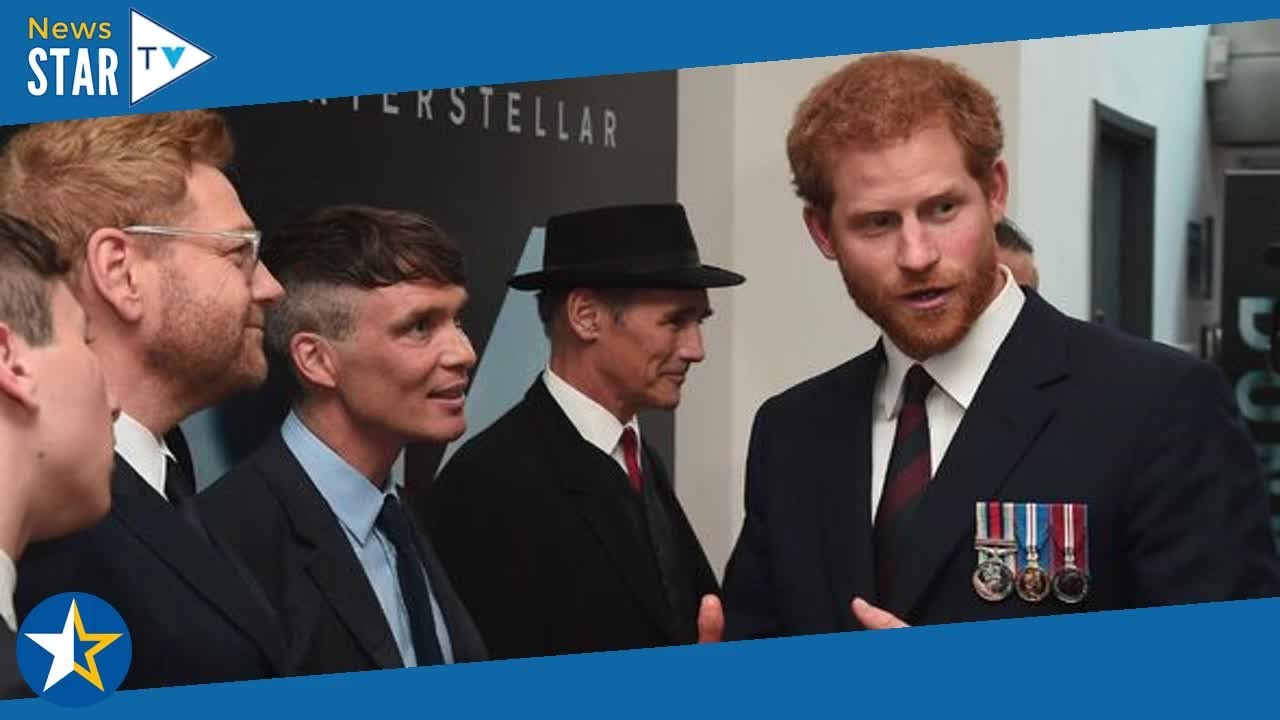
YouTube Upended—Prince Harry’s Clip Goes Viral With Truth So Raw
When digital platforms shift focus from polished royal public relations to unfiltered humanity, the algorithms respond with seismic speed. In recent weeks, online discourse has witnessed YouTube Upended—Prince Harry’s Clip Goes Viral With Truth So Raw, as an emotionally arresting video featuring the Duke of Sussex captured tens of millions of views. By presenting his experiences without sensationalized commentary or tabloid editing, the footage struck a chord with viewers worldwide, reigniting conversations surrounding grief, accountability, and the human cost of institutional life.
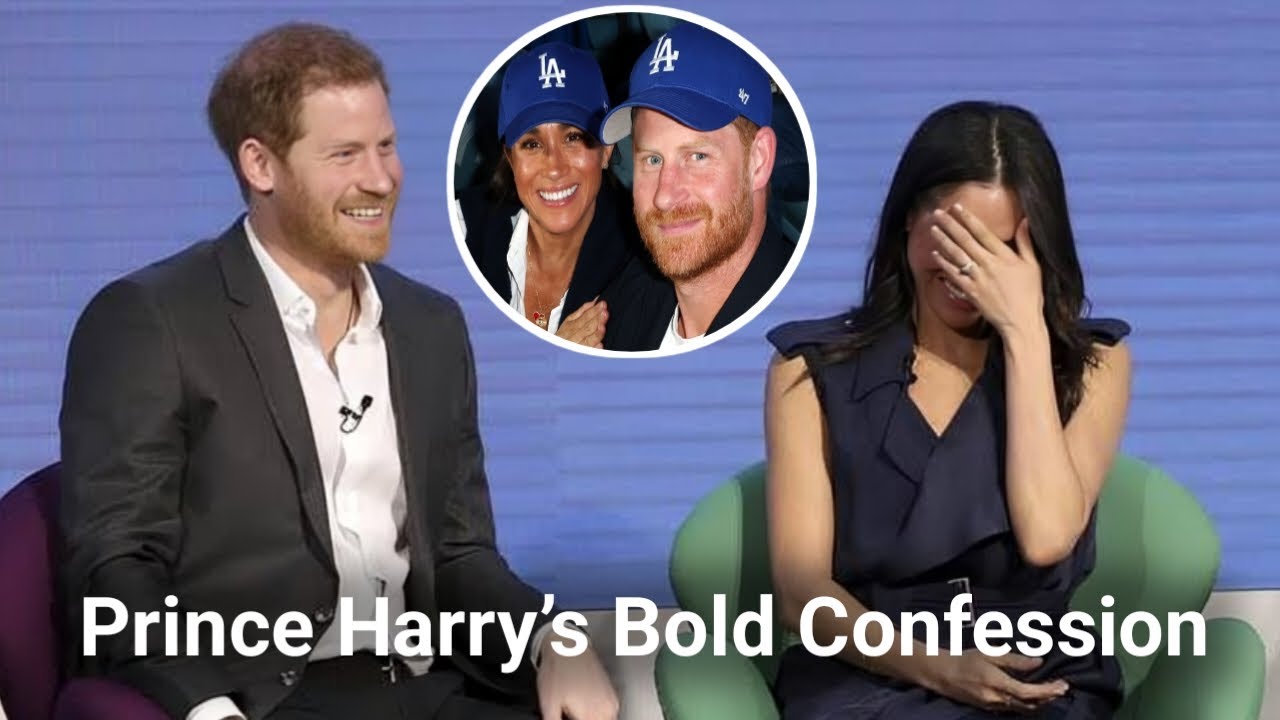
Behind the Algorithm: YouTube Upended—Prince Harry’s Clip Goes Viral With Truth So Raw
The viral surge did not emerge from a high-budget promotional push. Instead, it gained momentum through independent creators, podcast highlights, and user-shared edits that stripped away talking heads to focus entirely on Harry’s own words. The clip highlights an intimate discussion concerning his struggles with bereavement, the relentless pressure of royal scrutiny, and the psychological defense mechanisms he relied on for decades following the tragic loss of his mother, Princess Diana.
On YouTube, where viewers often favor long-form authenticity over curated soundbites, the stark vulnerability of the moment resonated immediately. Unlike traditional televised broadcasts that impose rigid formatting and adversarial commentary, the platform allowed the Duke’s cadence, pauses, and visible emotional weight to communicate directly to the audience. Comment sections quickly filled with personal testimonials from everyday viewers who recognized their own experiences with loss and mental health battles reflected in his candid admissions.
The Core Themes That Resonated Globally
The sudden virality of the footage is not simply a product of royal intrigue; it reflects widespread public engagement with topics that are frequently stigmatized or ignored in mainstream media. Several key elements propelled the clip across social channels:
- Unprocessed Grief in Plain Sight: Harry spoke candidly about suppressing emotions for nearly two decades, explaining how silence compounded trauma rather than healing it.
- The Psychological Impact of Modern Surveillance: The video illuminated the constant hyper-vigilance required when living under relentless paparazzi attention, reframing luxury through the lens of personal confinement.
- Generational Trauma and Fatherhood: A focal point of the clip was Harry’s conscious decision to break cycles of emotional detachment to ensure his own children grow up in a emotionally transparent environment.
Deconstructing the Tabloid Filter
For years, coverage of Prince Harry and Meghan Markle has been intensely polarized, particularly in legacy British tabloids. Content creators on YouTube highlighted how traditional press outlets often selectively edit statements to preserve specific cultural narratives. By contrasting the full, unedited clip with past tabloid headlines, digital essayists demonstrated how context fundamentally alters the meaning of his disclosures.
In the uncut video, the Duke does not come across as bitter or combative, but rather introspective and reflective. This disparity between legacy media framing and raw video evidence became a secondary driver of the clip’s virality, drawing thousands of reactions from media analysts, psychologists, and cultural critics.

Why YouTube Audiences Gravitate Toward Raw Authenticity
YouTube’s community dynamics differ markedly from rapid-fire platforms like TikTok or polarized feeds on X (formerly Twitter). The platform’s audience frequently values long-form context, transparency, and personal storytelling. When public figures step out of their assigned roles to speak candidly about pain and vulnerability, viewers tend to reward that transparency with sustained engagement.
Digital culture expert Dr. Aris Thorne notes that audiences possess an increasingly sharp detector for scripted remorse versus authentic emotional processing. When audiences witness subtle micro-expressions, unsteady breathing, and unscripted pauses, skepticism recedes. In Harry’s case, the absence of publicists or defensive posturing allowed his message to transcend typical celebrity gossip and function as a genuine human document.
The Ripple Effect: Shifting the Cultural Dialogue
The viral clip has generated far-reaching implications beyond digital view counts. Mental health organizations and veteran charities have reported increased web traffic and engagement, leveraging the clip to encourage men to seek counseling and openly discuss depression. Prince Harry’s extensive work with wounded servicemen through the Invictus Games has long emphasized emotional resilience, and this recent moment served as an organic extension of that mission.
- Normalizing Therapy Among Men: By openly discussing EMDR therapy and professional counseling, the clip helped dismantle persistent stigmas surrounding mental healthcare for men.
- Reevaluating Public Figures: Viewers who previously held neutral or critical opinions reported a newfound empathy after hearing his unedited perspective.
- Challenging Monarchy Aesthetics: The clip highlighted the tension between traditional institutional stoicism—the classic "never complain, never explain" doctrine—and modern demands for emotional authenticity.
The Broader Impact on Modern Royal Reporting
The success of this clip underscores an irreversible shift in how information about public figures is consumed. Audiences increasingly reject third-party interpretations in favor of primary sources. When public figures speak directly to cameras on digital platforms, traditional gatekeepers lose their monopoly on shaping public sentiment.
While opinions regarding the Duke and Duchess of Sussex will likely remain divided, this viral milestone proves that genuine, unvarnished human vulnerability retains unparalleled power in the digital age. By confronting past wounds openly, Prince Harry demonstrated that true strength often lies not in stoic silence, but in having the courage to speak uncomfortable truths aloud.